

Thermoplastic Elastomer (TPE): How to select the right grade?
Last update on Apr 1, 2026
Are you looking for a material that combines rubber flexibility with plastic processing? Then TPEs are for you!
Thermoplastic Elastomers (TPEs) are revolutionizing industries ranging from automotive to electronics. But with a diverse portfolio available in the plastics industry, how do you pick the right one?
In this guide, discover the chemistry of TPEs and critical performance properties. Find out unique processing techniques and real-world applications that are shaping tomorrow's products.
What is ThermoPlastic Elastomer (TPE)?
Introduced in the 1960s, Thermoplastic Elastomers (TPEs) are a physical blend of polymers. They combine the elasticity of rubber with the processability of plastics.
TPE has two key characteristics:
- Rubber-like elasticity: High flexibility at room temperature
- Plastic-like processing: Easy to mold at high temperatures
The rubber-like properties have enabled TPE to replace rubber in several applications. Today, they find use in applications that offer elasticity benefits over a wide range of temperatures. These include adhesives, footwear, medical devices, automobile parts, household goods, etc.
Unlike traditional rubbers, TPEs can be melted, molded, and reused without losing their essential properties. The difference lies in the type of crosslinking bond in their structures. Crosslinking is a critical structural factor that contributes to imparting high elastic properties.

Characteristics of thermoplastic elastomers
A thermoplastic elastomer must fulfill the following three essential characteristics:
- The ability to be stretched to moderate elongations. Upon the removal of stress, return to something close to its original shape.
- Processable as a melt at elevated temperature
- Absence of significant creep
Why should you choose TPEs: Advantages and disadvantages
Knowing the challenges of TPEs is as crucial as its advantages. It helps you make informed decisions about product design, manufacturing, and material selection. It ensures TPE products are safe to use and capable of meeting their intended purpose.
If you are a formulator looking to formulate TPE products, then here are the advantages and disadvantages to consider.
| Advantages | Disadvantages |
|
|
Select 3000+ Thermoplastic Elastomer grades available in our Master Catalog - | |
Types of TPEs based on chemistry
The simplest TPE materials are like ABA block copolymers, where:
- A is a hard thermoplastic at room temperature. But it softens at elevated temperatures. For example, polystyrene, polyethylene, or polypropylene
- B is a soft elastomer, for example, polydimethylsiloxane, polybutadiene, polyisoprene, or poly (ethylene-propylene)
TPE can be categorized based on chemical building blocks, methods of polymerization, and processability. The flowchart given below depicts the 6 types of thermoplastic elastomers available in our Master Catalog.

TPE Master Catalog: Request samples from over 3000+ grades with ease
Each category has a slight difference in its chemistry. Based on these variations they offer several properties which makes each of them unique. Let's discuss how are they different from one another.
Thermoplastic styrenic block copolymers (SBC/TPE-S)
Styrenic thermoplastic elastomers are the largest group among TPE materials. They are the most versatile as they can be produced over a variety of hardness values. They include different main types:
- SBS: Styrene-butadiene-styrene block copolymer
- SIS: Styrene-isoprene-styrene block copolymer
- SEBS: Styrene-ethylene-propylene-styrene block copolymer
- SEEPS: Styrene-ethylene-ethylene-butylene-styrene block copolymer
- SEPS: Styrene-ethylene-propylene-styrene block copolymer
- SEPS-V: Styrene-ethylene-propylene-styrene block copolymer, cross-linkable
Styrenic block copolymers are amorphous and opaque polymers. They have elastomer segments with relatively short lengths. This allows each elastomer to pass through a few hard domains before it ends.
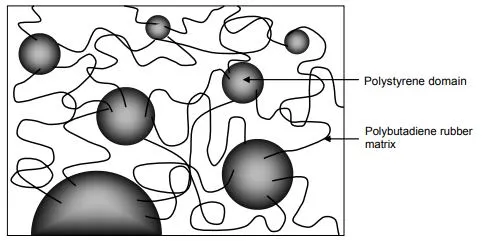
Styrenic TPEs Structure
(Source: Thermoplastic Elastomers, Edited by Prof. Adel El-Sonbati)1
Properties of styrenic TPEs
The various advantages of styrenic TPEs include:
| ✔ High tensile strength ✔ Good electrical properties ✔ High modulus ✔ Good transparency ✔ Large variety in hardness | ✔ High friction coefficient (corresponds to that for NR) ✔ Good abrasion resistance |

Thermoplastic elastomer polyolefins (TPO/TPE-O)
This is a new class among thermoplastic elastomeric materials as compared to SBC. They are blends of polypropylene or polyethylene, ethylene-propylene-diene rubber, and nitrile rubber (NBR). NBR provides an elastomeric element.
Thermoplastic polyolefins (TPO) has two kinds of production processes:
- Blending compound type: It includes dynamic vulcanization (TPV) and mechanical blending (CTPO)
- Reactor type
Polyolefin block copolymers are amorphous and transparent polymers. Polyolefins are chemically inert, extremely flexible, nontoxic, very lightweight, and sterile.

Thermoplastic vulcanizates (TPV/TPE-V)
Thermoplastic vulcanizate (TPV) is a milestone in the development of elastomeric alloys. TPV is replacing traditional thermosetting vulcanized rubber in several applications. Thus, it is becoming one of the most promising polymer material varieties. TPVs include silicone rubber TPV (TPSiV), acrylate rubber TPV (ACM), TPV based on NR or ENR, and polyolefin elastomer (EOC)/PP TPV.
This class of TPE differs fundamentally from those discussed before. In that, they derive their physical and elastomeric qualities from mechanically combining various thermoplastics with thermoset rubbers. This does not happen by chain segment structure as in the case of block copolymer TPE.
Properties of thermoplastic vulcanizates
The properties of thermoplastic vulcanizates include:
| ✔ Good chemical resistance ✔ Good processability ✔ Good colorability ✔ Good liquid and oil resistance ✔ Fatigue durability | ✔ Excellent barrier properties ✔ Small permanent deformation |
Note: Elastomeric alloys are blends of elastomers and thermoplastics. They can be processed using thermoplastic processing methods.

Thermoplastic polyurethane elastomers (TPU/TPE-U)
TPUs are block copolymers with urethane backbone linkages. They have two types of blocks:
- Hard segment: It is formed by the addition of a chain extender to a diisocyanate. For example, diisocyanates, short-chain diols (commonly used are 1,4-butanediol and lesser used are 1,6-hexanediol and 1,4-dihydroxyethoxybenze).
- Soft segment: It consists of long flexible polyether or polyester chains. This interconnects two hard segments. For example, long-chain diols (hydroxyl-terminated polyesters and polyethers).
Polyether or polyester-based TPU offers specific property benefits, particularly chemical resistance. The typical polyester types are polycarbonate and polycaprolactone glycols. The polyether types include poly (oxypropylene) and poly (oxytetramethylene) glycol.
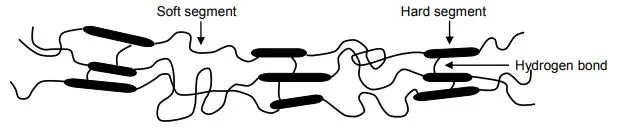
TPUs composed of alternating hard segment and soft segment structures
(Source: Thermoplastic Elastomers, Edited by Prof. Adel El-Sonbati)1
Properties of thermoplastic polyurethanes
Advantages of thermoplastic urethane elastomers include:
| ✔ Good abrasion resistance ✔ Good tear strength ✔ Good stiffness properties | ✔ Low friction coefficient (depends on hardness) ✔ Good oxygen, ozone, and weather resistance |

Thermoplastic copolyester elastomers (COPE/TEEE/TPE-E)
Thermoplastic polyester elastomers (TPEEs) are a type of block linear copolymers. They contain the following:
- Hard crystalline segment: It is a crystalline phase and provides strength. For example, polybutylene terephthalate (PBT). The rigidity, polarity, and crystallinity of the hard segment of TPEEs provide them:
- outstanding strength
- excellent high-temperature resistance
- creep resistance
- solvent resistance, and
- impact resistance
- Soft amorphous segment: It is a continuous segment. For example, polytetramethylene oxide glycol (PTMO). The low glass transition temperature and saturation of the soft segment polyether make it:
- excellent low-temperature resistant
- aging resistant
It combines the excellent elasticity of rubber and the processability of thermoplastics.
Properties of copolyesters
In more general terms, the key properties of these materials are:
| ✔ Excellent dynamic properties (like creep and fatigue) ✔ Exceptional resistance to oils and greases ✔ Good general resistance to chemicals ✔ Excellent strength over a wide range of temperatures | ✔ Excellent heat resistance (long-term 165°C) ✔ Good electrical insulation properties ✔ Low moisture absorption ✔ Excellent dimensional stability |

Thermoplastic polyamide elastomers (PEBA/COPA/TPE-A)
Thermoplastic polyamide elastomer (TPE-A) is a newly developed class. It belongs to alternating block copolymer elastomers. It consists of soft segments of polyesters or polyethers and a rigid block of polyamide. Examples of polyamide can be:
- polyesteramide (PEA),
- polyetheresteramide (PEEA),
- polycarbonate-esteramide (PCEA), or
- polyether-block-amide (PE-b-A)

The structure of thermoplastic polyamide elastomers.
(Source: Thermoplastic Elastomers, Edited by Prof. Adel El-Sonbati)1
Properties of polyamide elastomers
The properties of thermoplastic polyamide elastomers depend strongly on several aspects. These include the type of polyamide block, the type of polyether block, and the length and number of blocks. The key properties of TPE-A include:
| ✔ Good processability ✔ High-temperature resistance (up to 170°C) ✔ Good solvent resistance ✔ Creep dimensional stability | ✔ Wear resistance ✔ Good low-temperature flexibility ✔ Impact resistance and elastic recovery ✔ Excellent bonding to polyamide engineering materials |

Now that you have understood the different types of TPEs by their chemical structure and base polymer composition in detail, let's give you an in-depth comparative analysis about how they directly impact the properties.
Properties of Thermoplastic Elastomers
The properties achieved in any TPE material are governed by several factors. These include the chemistry, nature of the constituents, and their morphology. A specific property will vary with the relative proportions of hard and soft phases. This allows a range of TPE materials to be available within each TPE group.
Mechanical properties
The hard phase influences the following parameters:
- mechanical strength and modulus (stiffness),
- abrasion and hardness (can be a limited range),
- compression and tension set, and
- tear resistance of the TPE above room temperature and below the softening point.

Hardness Range of Thermoplastic Elastomers
Flexibility
The elastic soft phase generates the rubber-like properties of:
- elongation
- flexibility
- low-temperature performance
- dynamic properties
It also influences tensile strength to some extent. This happens by strain-induced crystallization of chain segments.
Electrical properties
Electrical insulation properties depend on the polarity of TPE. Most TPE materials will give a level of electrical insulation. Here, the nonpolar olefinic TPO, TPV materials, and SEBS TPE display good to excellent electrical insulation properties. SEBS TPE is dependent on other compounded polymers and additives. Electrically conductive TPEs by KRAIBURG: Download the brochure to find out more
Thermal properties
Key to the performance of TPE is its thermal properties. This is in terms of its performance and ease of melt processing. The Tg of the hard phase, in part, governs the mechanical performance at room temperature and above. Whereas, the soft phase controls the sub-room temperature performance and brittle point.
Chemical performance
Chemical resistance is determined by the chemistry of the TPE and its morphology. Limited chemical resistance to a broad range of solvents can be found in:
- non-polar amorphous TPE materials
- styrenics
UV stability
The environmental resistance of TPE types is a key consideration. It is important for outdoor applications, particularly in the automotive sector. All the TPE families are susceptible to a greater or lesser extent to the effects of high-energy UV radiation.
Property comparison of different TPE types
| Properties | SBCs | TPOs | TPVs | TPUs | COPEs | PEBAs |
| Specific gravity | 0.9-1.1 | 0.89-1.0 | 0.9-1.0 | 1.1-1.3 | 1.1-1.3 | 1.0-1.2 |
| Hardness, Shore A to Shore D | 3A-60D | 60A-75D | 35A-50D | 60A-85D | 90A-72D | 60A-75D |
| Low-temperature limit, °C | -70 | -60 | -60 | -70 | -65 | -40 |
| High-temperature limit (cont.), °C | 120 | 120 | 135 | 120 | 125 | 170 |
| Compression set resistance at 100°C | F | P | G | F/G | F | F/G |
| Resistance to hydrocarbon fluids | F/G | P | G/E | F/E | G/E | G/E |
| Resistance to aqueous fluids | G/E | G/E | G/E | F/G | P/G | F/G |
| P=Poor, F=Fair, G=Good, E=Excellent | ||||||
Selecting the right TPE is only half the battle. Successful manufacturing depends on matching material properties to the correct processing method. Explore how different TPEs behave during molding, extrusion, and other fabrication processes.
How are TPEs processed?
TPEs are technologically very attractive. This is because they can be processed as thermoplastics. This is done by using existing conventional thermoplastic machinery. TPE is utilized in all the major fabrication processes. For example:
- Injection molding
- Extrusion
- 3D printing
When heated, thermoplastic elastomer shows good flow properties. They solidify rapidly on cooling. This allows the use of highly productive thermoplastic processing equipment while processing thermoplastic elastomers. Several elastomeric products are hence produced. TPEs also need little or no compounding. They do not need the addition of reinforcing agents, stabilizers, or cure systems. A typical PVC equipment can be used. Drying at 80°C for 2 hours is recommended. The maximum permissible moisture is 0.1%.
Efficient TPE processing with injection molding
Injection molding is by far the most used technique in TPE processing. This is due to its high productivity and clean process with no waste formation. It is used in a great variety of applications ranging from tubes or foams to finished articles. It can be applied to the co- or insert-injection. During injection molding, TPEs behave as other thermoplastics in hot runners without major problems.
- Recommended compression ratio: 2:1 to 3:1
- Recommended screw L/D: 20-24
- A mold temperature of 25-50°C is recommended
- A mold temperature of 160-200°C is recommended, depending on the hardness range
Do you want a detailed understanding about the injection molding process? Check out the complete guide on injection molding guide.
Optimizing TPE extrusion: Process parameters and equipment
The extrusion of TPEs is essential in the shaping of many different profiles. The use of single-screw extruders is predominant. Other extruders that are used include those equipped with three-section or barrier screws. Extrusion is also applied to other shapes like foams, tubes, sheets, etc.
- Melt temperature: 180-190°C
- Best results are obtained with screw L/D of 24 and compression ratio of 2.5:1 to 3.5:1
Are you trying to figure out how extrusion equipment works? Get to know the basics of extrusion process in detail.
Exploring TPE filament: A flexible 3D printing alternative to rubber
Materials with rubber-like properties or rubber are used in a great range of applications. They are used where the elastic properties of rubber are required. 3D printing with rubber was long not thought possible (rubber is a thermoset material). Manufacturers have started looking for a 3D printing alternative to rubber.
TPE filament is a flexible 3D printing material that feels and acts much like flexible rubber. There are several types of TPE. Thermoplastic polyurethane (TPU) is the most used among 3D printing filaments. It is used for FDM and powder for use in SLS machines. Flexible filaments can be used to make parts that can bend or flex to fit their environment. These include stoppers, belts, springs, phone cases, and more.
Finding out other ways to process thermoplastic elastomers? You are just a click away.
On our newly designed platform, you will find the processing methods of your choice. Request samples and get access to technical datasheets available in our Master Catalog.
 |  |  |
 |  |  |
Sustainable TPE options
Biobased Thermoplastic Elastomers (TPEs) provide environmental and sustainability benefits to the manufacturers.
Importance of biobased content in TPEs
The presence of biobased content helps them create more environmentally friendly TPE versions. Here are some key reasons why biobased TPEs are significant:
- Reduced carbon footprint: Biobased TPEs are derived from renewable resources. These include plant-based feedstocks (e.g., corn, soyabean, sugarcane, etc.). They absorb carbon dioxide (CO2) during their growth. This lowers greenhouse gas emissions compared to TPEs made from fossil fuels.
- Reduced dependency on fossil fuels: Petroleum-derived TPEs are finite. Biobased TPEs can be grown annually making them a sustainable and readily available resource. Hence, Biobased TPEs help reduce the industry's reliance on fossil fuels.
- Biodegradability and compostability: Some biobased TPEs can break down naturally over time. This reduces the persistence of plastic waste in the environment. This is important for applications where disposal is a concern (like single-use items). Check out biodegradable and compostable TPE grades.
- Consumer preference: Many consumers are becoming increasingly environmentally conscious while choosing a product. They are seeking products made from sustainable materials. Biobased TPEs help manufacturers meet these consumer demands for eco-friendly and sustainable options.
- Regulatory support: Encouraging the use of biobased TPEs has become the focus of suppliers globally. They make sure that their product(s) meet the regulations that can vary significantly from one region or country to another.
Examples of biobased TPEs

Biobased thermoplastic elastomers are a type of thermoplastic elastomer material. They are prepared from biomass monomers. Their resources are very sustainable as their monomers are derived from organisms in nature.
The biobased thermoplastic elastomers are made using several bio-based raw materials. For example, starch ranging from 30% to 50%, castor & canola oil, polyols from vegetable oils & fatty acids, and corn & soybean oil. Some of the popular commercial bio-based TPE grades include:
- Arkema's Pebax® Rnew® PEBA grades are partially biobased, renewable elastomers
- Envalior's Arnitel® ECO L700 & Arnitel® ECO M700 with 22% renewable content
- ARLANXEO's TPVs based on Keltan® Eco EPDM with biobased material range between 50% and 70%
- FKuR's Terraprene® TPE grades have up to 90% biobased content
- HEXPOL's Dryflex® Green TPEs with renewable content of over 90%
- Avient's reSound™ OM grade utilizing 35% to 50% bio-renewable content
Are TPEs recyclable?
TPE materials have the potential to be recyclable. This is because they can be molded, extruded, and reused like plastics. But the typical elastic properties of rubbers are not recyclable. This feature owes to their thermosetting characteristics.
Are TPEs safe and toxic?
Yes, TPEs are considered safe to use and non-toxic.
Here are some key points about the safety of TPEs:
- TPEs fall under the Generally Recognized as Safe (GRAS) category of the FDA. This means that they are compatible with food contact applications.
- Specific TPE grades show excellent biocompatibility making it suitable for medical devices.
- Toxicity depends on the exact chemical composition. Some TPEs use polyurethane or other common plastics are considered non-hazardous materials.
- Processed TPEs do not release toxic compounds during typical lifecycles. Risks come from overheating or burning which releases gases from decomposition.
- Issues like skin irritation may occur with selected types if there is direct contact. Proper handling procedures limit risks for safe use. There are no exposure limits or OSHA hazardous classifications for common TPE families.

Applications of Thermoplastic Elastomers
With over 3000+ TPE grades in our Master Catalog, choosing the right chemistry for your application can be tricky. Each class provides a range of performances that overlap making the selection process difficult. The key to making the right selection is to define end-user and performance requirements.
With benefits like cost, quality, and safety, TPE outshines other conventional choices. TPE products have proven to be useful in cars, wires, medical devices, consumer items, and many more. Let's discuss some applications where TPEs are being used daily.

Automotive
Weather seals, shock dust boots, bumpers, exterior & interior parts, exterior & interior trims, instrument panels, air ducts, pipe grommets, glass encapsulation, drive belts, high/low pressure pipes, mats for motor scooters, and o-rings
Select 1100+ TPE grades used in the automotive industry
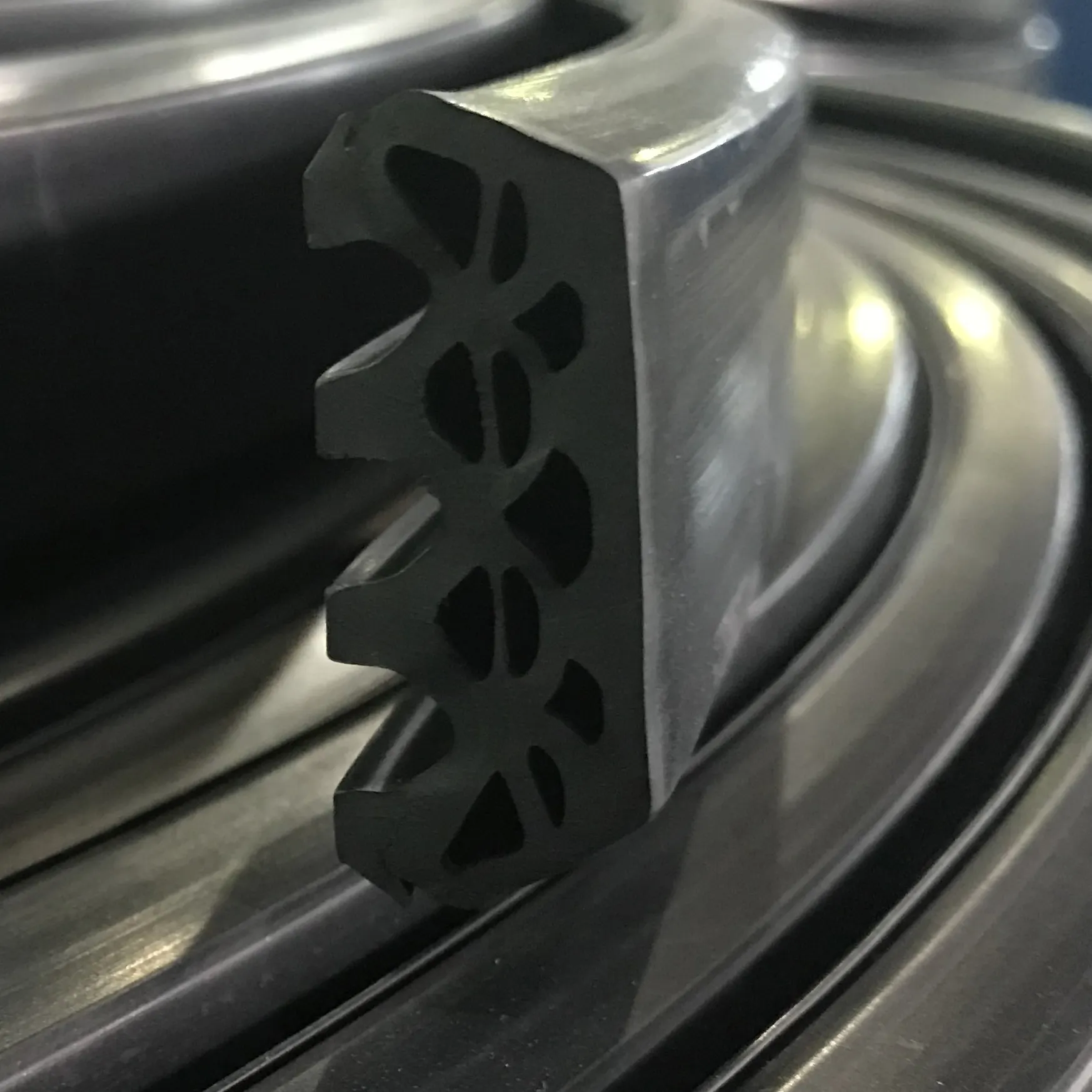
Construction
Extruded seals for doors and windows, simple or co-molded hydraulic seals, glazing seals, and pipe seals
Select 250+ TPE grades used in building and construction industry
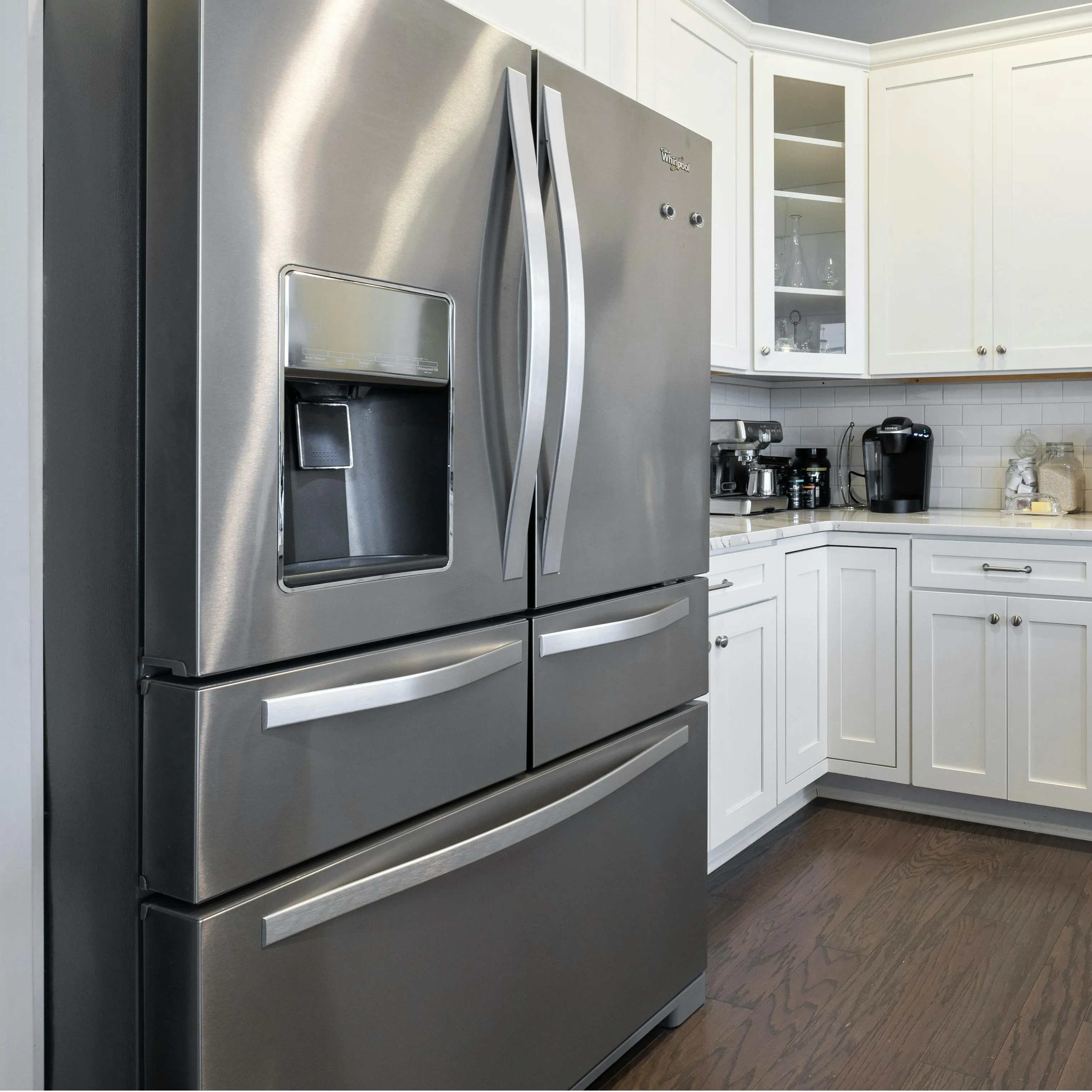
Consumer goods
Magnetic seals for refrigerators, power tool handles, remote control covers, mobile phone covers, push-button panels, and shock absorbing protections for vacuum cleaners
Select 870+ TPE grades used in consumer goods
Medical and healthcare
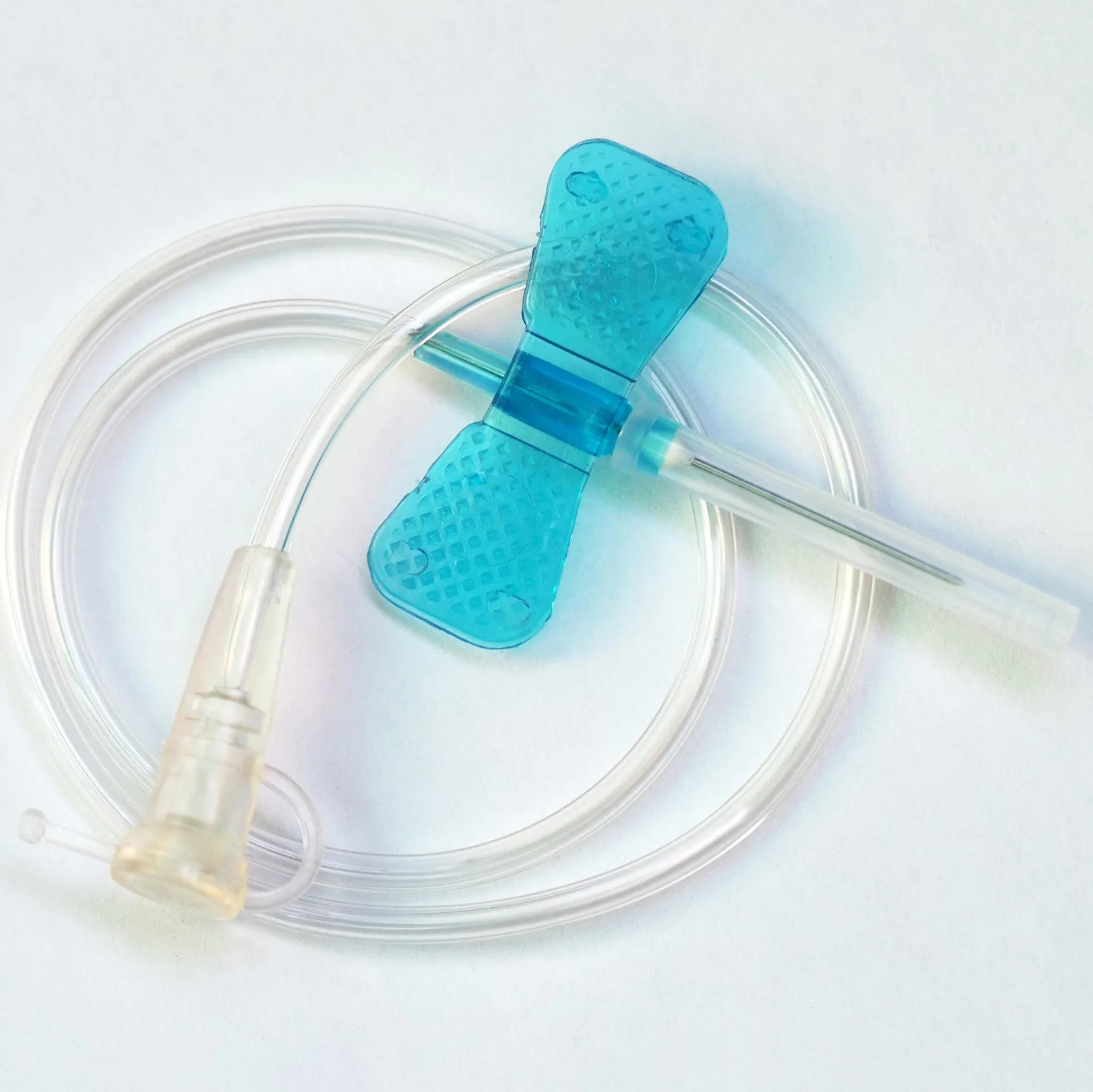
Breathing tubes, syringe seals 7 tips, ventilation masks, bags, seals, valves, and catheters
Select 1050+ TPE grades used in the medical and healthcare industry

Electronics
Sheaths for condensers, plugs and loose sockets, specialty cables, and mobile phone components
Select 690+ TPE grades used in electronics
Footwear and sporting goods
Items for diving (flippers, snorkels, masks) and skiing (ski pole handles, ski boots), sports goods, and shoe soles
Select 950+ TPE grades used in the footwear industry
Industrial
Anti-vibration mounts, inlet pipes, exhaust manifolds, seals, drum suspension bushes, shock absorbers, and roof membranes
Select 40+ TPE grades used in industrial applications

- Sonbati. (n.d). Thermoplastic Elastomers. Intechopen.

TPE is well established in consumer electronics applications such as mobile phones, computer mice, and controllers

In automobiles, TPEs are contributing to lighter vehicle weight for better fuel efficiency.
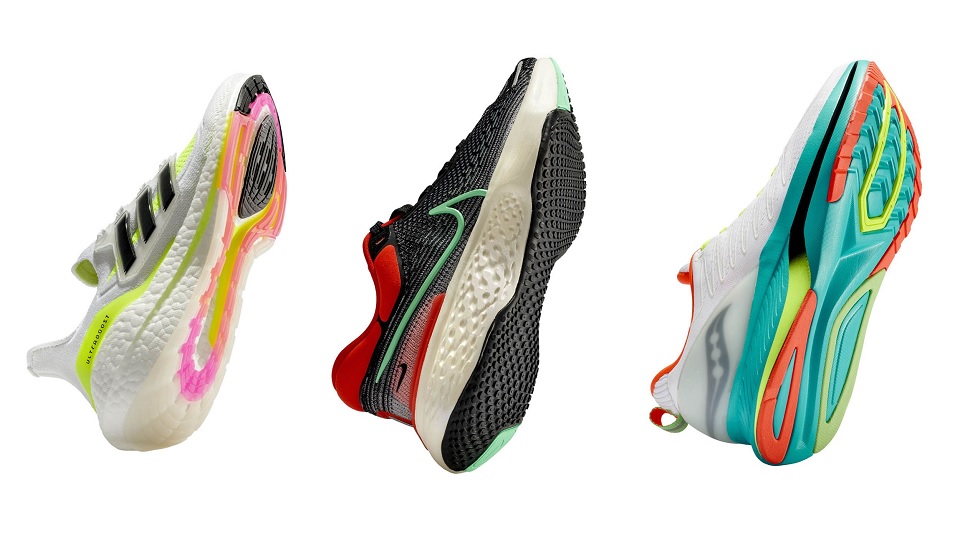
Thermoplastic elastomers are widely used for the soles of sports shoes