

Thermoplastic Polyurethanes (TPU): How to select the right grade?
Last update on Apr 13, 2026
Thermoplastic polyurethane is often abbreviated as TPU. It is a melt-processable thermoplastic elastomer. It has the characteristics of both plastic and rubber. Thus, it exhibits properties like durability, flexibility, and excellent tensile strength.
TPU fulfills the needs of many demanding applications. These include automotive, wires and cables, sports, and textile coatings.
Here, we will take you through everything you should know about TPU, from chemistry to processing methods and applications. This overview will help you make more informed material selection decisions.
TPU plastic: Definition, production, and key properties
What is TPU plastic?
Thermoplastic polyurethane (TPU) is a melt-processable thermoplastic elastomer with high durability and flexibility. Otto Bayer and his coworkers discovered TPU in 1937 at the laboratories of I.G. Farben in Leverkusen, Germany.
Thermoplastic polyurethane provides several physical and chemical property combinations for demanding applications. Some examples include:
|
|
It has properties between the characteristics of plastic and rubber. Its thermoplastic nature has several benefits over other elastomers, such as:
- excellent tensile strength,
- high elongation at break, and
- good load-bearing capacity
How is TPU synthesized?
Thermoplastic polyurethane is produced by the polyaddition reaction between a diisocyanate and one or more diols in a specific way. The three basic raw materials required to produce a TPU are:
➤ A polyol or long-chain diol
➤ A chain extender or short-chain diol
➤ A diisocyanate
TPU is elastic and melt-processable. It is a linear segmented block copolymer composed of soft and hard segments.
Soft segment (polyether or polyester): It is built out of a polyol and an isocyanate. Provides flexibility and the elastomeric character of a TPU.
- Hard segment (aromatic or aliphatic): It is constructed from a chain extender and isocyanate. This gives TPU its toughness and physical performance properties.
- Aromatic TPUs - They are based on isocyanates such as MDI. Aromatic TPUs are strong, general-purpose resins that resist attack by microbes. They stand up well to chemicals. A drawback is that they degrade by free radical pathways induced by exposure to heat or UV. This degradation leads to product discoloration and loss of physical properties.
- Aliphatic TPUs - They are based on isocyanates like H12 MDI, HDI, and IPDI. Aliphatic TPUs, on the other hand, are inherently light-stable. They resist discoloration from UV exposure. They are also optically clear. This makes them suitable laminates for encapsulating glass and security glazing.

Classification of TPU based on chemistry
TPUs are categorized into three primary chemical classes based on the type of polyol used in their synthesis. Each type offers a distinct balance of mechanical, chemical, and environmental resistance properties. Thus, enabling precise material selection for performance-driven applications. Let's discuss each of them in detail.
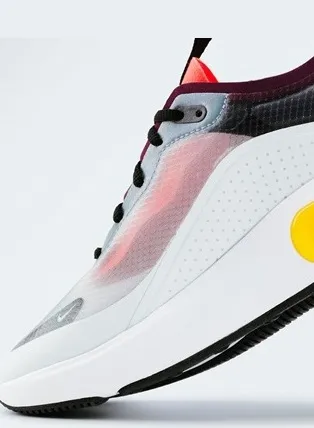
Polyester TPU
Compatible with PVC and other polar plastics. Used in automotive, industrial, and footwear applications. Key characteristics include:
Select 900+ polyester TPUs available in our master catalog
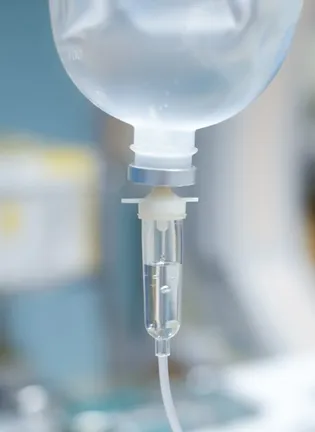
Polyether TPU
Slightly lower in specific gravity than polyester and polycaprolactone grades. Used in medical, textiles, and sporting goods. Key features include:
Select 590+ polyether TPUs available in our master catalog

Polycaprolactone TPU
Shows inherent toughness and resistance of polyester-based TPUs. Commonly used in outdoor equipment, footwear, automotive interior and exterior, and electronics applications. Key properties include:
Select 90+ polycaprolactone TPUs listed in our master catalog
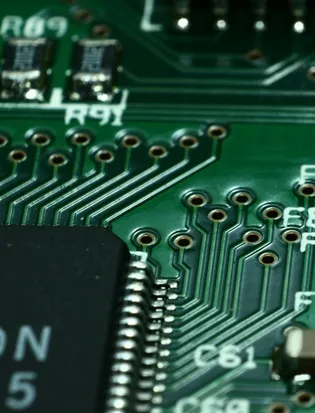
Polycarbonate-based TPU
Another interesting class of polyols used for thermoplastic polyurethane production is polycarbonate diols. Generally used to produce polyurethanes that incorporate the carbonate linkages for superior performance. Polycarbonate-polyurethanes can also be produced through the use of polycarbonate-based polyurethane prepolymers.
A polycarbonate-based polyurethane prepolymer is a derivative of the corresponding polycarbonate diol. In this, all the polyol hydroxyl (OH) end groups have been reacted with an isocyanate, leaving isocyanate groups (NCO) at the termini instead of hydroxyls. They are used in electronic casings, medical devices, footwear, conveyor belts, etc. PU elastomers based on PC-PU prepolymers exhibit:
|
|
Select 100+ commercial polycarbonate-based TPU grades available on our platform
Navigating our platform is now more seamless. Below is a quick look at what you can access within our commercial portfolio:

With its chemistry and structure established, in the next section, we will explore the defining properties of TPU.
Key properties, benefits, and limitations of TPU
What are the key properties of TPU?
Thermoplastic polyurethanes allow industries to mainly benefit from the following combination of properties:
Abrasion and scratch resistance
TPU is the material of choice in applications where abrasion resistance is critical. These include automotive interior parts, sports and leisure, technical parts, and specialty cables. High abrasion and scratch resistance ensure durability and aesthetic value. TPU shows excellent results when compared to other thermoplastic materials.
The abrasion resistance of materials is usually determined by measuring the weight loss of a specimen in a standardized wear test. The comparative result of such a test is shown in the figure below. The graph depicts the superior abrasion resistance of TPU as compared to other materials, such as PVC and rubber.

Graph depicting the superior abrasion resistance of TPU compared to other plastics
Surface finish and adhesion
Recent developments have enabled the production of plasticizer-free TPU with a hardness range of 55 to 80 Shore A. They offer:
- high-quality surface finish,
- excellent adhesion to engineering plastics such as ABS and nylon,
- unequal scratch and abrasion resistance.
UV resistance and color stability
Aliphatic TPUs ensure color fastness to your aesthetic parts. They show superior stability to ultraviolet radiation and thus superior color stability. Along with these features, they also maintain good mechanical properties. Aliphatic TPU has exactly the right property profile and versatility to make it the material of choice for electronic applications. For both light & dark color parts, OEMs can rely on TPU's high scratch resistance & UV performance.
Breathability
Comfort is the utmost priority when you design sportswear or building and construction products. Highly breathable TPUs are available to ensure optimum comfort. Traditional TPU has a vapor transmission below 1500 g/m2/day. While highly breathable grades have values as high as 10000 g/m2/day (+560%). Traditional TPUs can be blended with breathable ones. This fine-tunes the breathability according to your application requirements.
Transparency and toughness
Crystal-clear TPUs are available with very good hardness. This characteristic allows the use of TPU in the following:
- extrusion of transparent films & tubes, and hoses, or
- injection molding of technical and aesthetic parts, where transparency at thicknesses up to 6 mm can be achieved
Role of additives in property enhancement
Additives can improve the dimensional stability, heat, and fungal resistance of TPUs. They also reduce friction, increase flame retardancy, and improve weatherability.
Some examples of additives include antioxidants, UV absorbers, and hindered amine stabilizers. They protect polyurethanes from UV light-induced oxidation. This makes TPUs suitable for a wide range of applications that may require both thermal and/or light stability. Other specialty grades include:
- Reinforced TPU: When mixed with glass or mineral fillers/fibers, it becomes a structural engineering polymer with desirable properties of abrasion resistance, high impact strength, good fuel resistance, and high flow characteristics.
- Flame retardancy: Flame-retardant TPU grades are widely used to provide tear resistance and toughness for cable jacketing.
Benefits and limitations of TPU
TPU offers a unique balance of flexibility, strength, and durability. This makes it a versatile material across various applications. However, like all polymers, TPU also presents certain processing and performance limitations that should be considered during material selection. The table below summarizes the key benefits and drawbacks of TPU.
Advantages | Disadvantages |
|
|
Our master catalog brings you 2900+ commercial thermoplastic polyurethane grades Download technical datasheets and start ordering samples on our platform | |
Knowing the properties and the merits/demerits of TPU will help you decide on what processing technique will best suit the grade you are working with. Let's move on to understanding the processing of TPU in detail.
Processing and environmental aspects of TPU
Markets and applications of TPU
With a unique set of properties, TPUs offer interesting performance for many applications, ranging from automotive to agriculture and many more. Explore some of the markets and applications where TPUs have proven to be the material of choice.
However, with so many grades available, it can be challenging to pick the right one. Our platform is your one-stop solution! Here you can select from 2900+ commercial TPUs using our advanced filters, graphically compare properties, download technical datasheets, and contact suppliers directly to request samples.
Automotive
The extremely fast cycling performance makes thermoplastic polyurethanes a cheaper solution for molders. TPU's unique combination of scratch and aging properties makes it an excellent choice for the automotive market. It can be used in automotive interior parts, such as gear knobs, instrument panels, or console parts.
Agriculture
Thermoplastic polyurethane offers outstanding flexibility, weather, and tear resistance across a wide range of climates. Special color and additive packages allow for the design of flexible, laser-markable, or smart (with microchips) ear tags. These can be used as animal identification tags for livestock.
Seals and gaskets
Specific TPU materials have been developed to cater to the demand for high-performing polymer materials with low compression set and excellent abrasion and oil resistance for seals. It improves flow properties and high hydrolysis resistance of industrial high-pressure hydraulic seals. It also offers low compression at elevated temperatures.
Textile coatings
TPU-based films are used in a wide range of end applications like inflatables, textile coatings, garments, adhesives, barrier films, and military equipment. Different processing techniques can be used to obtain either free or laminated films and sheets, including T-die and blown film extrusion, sintering, and calendering. TPU offers excellent mechanical properties, chemical resistance, weldability, and outdoor durability.
Medical/healthcare
TPU has become a go-to material in medical and healthcare applications. It offers excellent biocompatibility, high physical performance, and processing versatility. It is widely used in tubing, catheters, wound dressings, films, and implantable device components. It is flexible, chemical and abrasion resistant, transparent, and sterilizable via methods such as ethylene oxide, gamma radiation, or steam.
Sports and leisure
Thermoplastic polyurethanes have a unique combination of flexibility at low temperatures, good environmental and impact resistance, as well as transparency. TPUs are the material of choice for many sports and leisure parts like sports shoes, sports wear, etc. They offer excellent paintability and crystal-clear transparency.
Belts, tubes, and hoses
TPUs are well-known in the belts and profiles industry, where they are used to manufacture excellent quality products like timing belts, transmission belts, or conveyor belt profiles. They offer low creep and exceptional mechanical strength. They are extruded at high wall thicknesses and show outstanding weld strength. TPUs offer excellent durability and wear properties for applications like pneumatic tubing or hydraulic/wire-bond hoses for solids handling. They bring flexibility over a wide range of temperatures, in addition to their chemical, mechanical, and kink resistance.
 |  |  |
 |  |  |
- (2016). Processing of TPU by injection molding. Covestro Deutschland AG.
- (2018). Thermoplastic Polyurethane (TPU) Processing Guide. Foster Corporation.
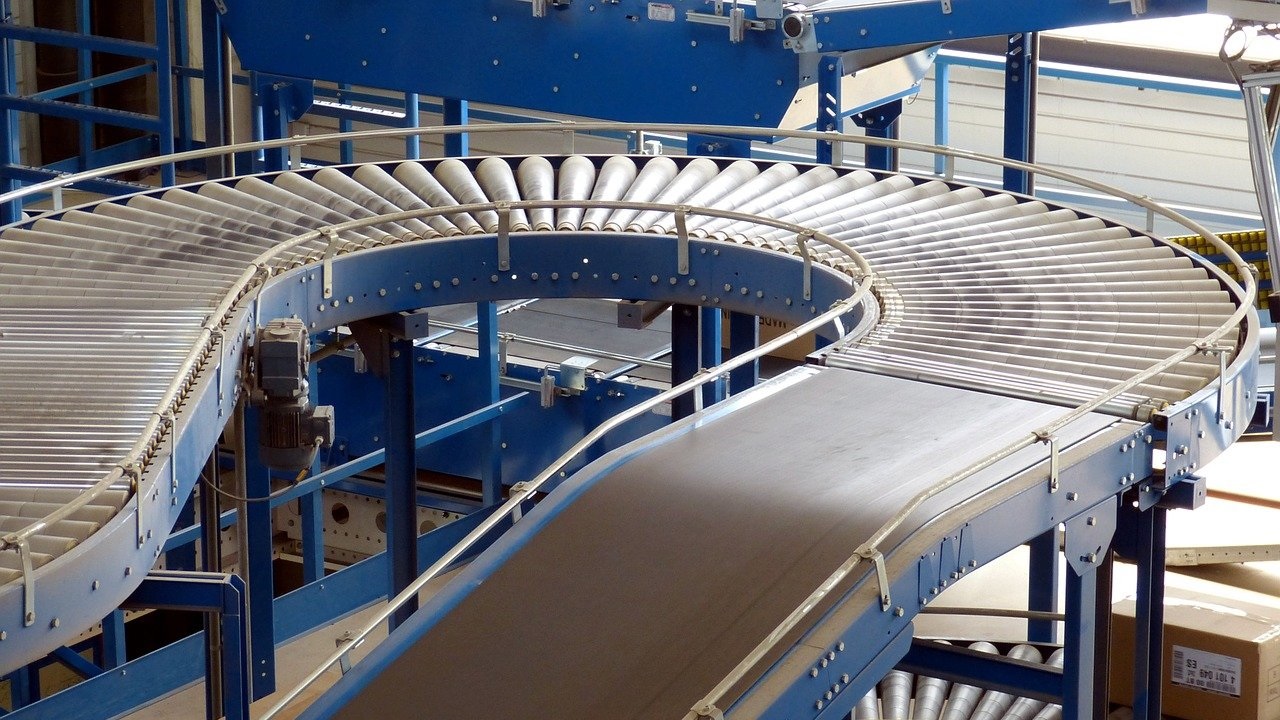
TPUs are used to manufacture excellent quality products like timing belts, transmission belts or conveyor belt profiles

TPU is used in agricultural market which demands strength and durability of the materials used

TPUs are the material of choice for many sport and leisure parts due to its unique combination of extreme flexibility at low temperature, good impact and environmental resistance & transparency