

Acrylonitrile Butadiene Styrene (ABS): How to select the right grade?
Last update on Apr 22, 2026
Get detailed technical information on ABS polymer, including its key properties, applications, processing conditions, and grade selection considerations.
What is ABS and how is it produced?
ABS stands for Acrylonitrile Butadiene Styrene. It is an impact-resistant engineering thermoplastic. It has an amorphous polymer. ABS is made up of three monomers: acrylonitrile, butadiene, and styrene:
- Acrylonitrile: It is a synthetic monomer. It is produced from propylene and ammonia. This component contributes to the chemical resistance & heat stability of ABS.
- Butadiene: It is produced as a by-product of ethylene production from steam crackers. This component delivers toughness & impact strength to ABS polymer.
- Styrene: It is manufactured by dehydrogenation of ethyl benzene. It provides rigidity & processability to ABS plastic.

How ABS is made?
ABS is produced by emulsion or continuous mass technique. The chemical formula of Acrylonitrile Butadiene Styrene is (C8H8·C4H6·C3H3N)n. The natural material is an opaque ivory color. It is readily colored with pigments or dyes.


Next, explore the intrinsic properties of ABS, its limitations, and how blending or additives can tailor its performance for specific needs.
Properties, limitations, and modification of ABS
What are the properties of ABS?
ABS is a strong and durable polymer. It is a chemically resistant resin. It gets easily attacked by polar solvents. It offers greater impact properties and slightly higher heat distortion temperature than HIPS.
Acrylonitrile Butadiene Styrene has a broad processing window. It can be processed on most standard machinery. It can be injection-molded, blow-molded, or extruded. It has a low melting temperature making it suitable for processing by 3D printing on an FDM machine.
ABS falls between standard resins (PVC, polyethylene, polystyrene, etc.) and engineering resins (acrylic, nylon acetal, etc.). It often meets the property requirements at a reasonable price-cost effectiveness. It is an ideal material of choice for various structural applications. This is because of its several physical properties such as:
- High rigidity, good weldability, and insulating properties
- Good impact resistance, even at low temperatures
- Good abrasion and strain resistance
- High dimensional stability (Mechanically strong and stable over time)
- High surface brightness and excellent surface aspect
ABS shows excellent mechanical properties. It is hard and tough in nature and thus delivers good impact strength. It offers a high degree of surface quality. Apart from these characteristics, Acrylonitrile Butadiene Styrene exhibits good electrical insulating properties.
Chemical Properties of ABS
- Very good resistance to diluted acid and alkalis
- Moderate resistance to aliphatic hydrocarbons
- Poor resistance to aromatic hydrocarbons, halogenated hydrocarbons and alcohols
Mechanical Properties of ABS
| Elongation at break | 10 - 50 % |
| Elongation at yield | 1.7 - 6 % |
| Flexibility (Flexural modulus) | 1.6 - 2.4 GPa |
| Hardness Shore D | 100 |
| Stiffness (Flexural modulus) | 1.6 - 2.4 GPa |
| Strength at break (Tensile) | 29.8 - 43 MPa |
| Strength at yield (Tensile) | 29.6 - 48 MPa |
| Toughness (Notched Izod impact at room temperature) | 200 - 215 J/m |
| Toughness at low temperature (Notched Izod Impact at low temperature) | 20 - 160 J/m |
| Young Modulus | 1.79 - 3.2 GPa |
Electrical Properties of ABS
| Arc resistance | 60 - 120 sec |
| Dielectric Constant | 2.7 - 3.2 |
| Dielectric strength | 15.7 - 34 kV/mm |
| Dissipation factor | 50 - 190 x 10-4 |
| Volume resistivity | 14 - 16 x 1015 Ohm.cm |
What are the limitations of ABS?
- Poor weathering resistance
- Ordinary grades burn easily and continue to burn once the flame is removed
- Scratches easily
- Poor solvent resistance, particularly aromatic, ketones and esters
- Can suffer from stress cracking in the presence of some greases
- Low dielectric strength
- Low continuous service temperature
What happens when ABS blends with thermoplastics?
ABS can be blended or alloyed with other polymers to overcome some of these limitations. These include PA, PBT, and PC, to name a few. This blending with polymers further increases the range of properties available such as mechanical, thermal... & more.
ABS/PC is an abbreviated form used for acrylonitrile butadiene styrene/polycarbonate blend. It is a thermoplastic alloy made up of polycarbonate and acrylonitrile butadiene styrene. Both of these polymers are widely used on their own. They have very specific properties and also drawbacks of their own.
However, when alloyed together they form one of the most widely used industrial amorphous thermoplastics with:
- Enhanced processability
- Good flow characteristics, strength, stiffness, and
- Good heat resistivity
Furthermore, additives can be added to the blend to improve its properties like fire safety, UV, and oxidation stability. Reinforcing agents such as glass fibers and mineral fillers are added to improve the blend's strength and rigidity.
ABS/PC blends are commonly used in commercial and industrial applications. Examples include automotive, electronics, telecommunication, etc. that require hard yet lightweight, heat-resistant, and easily processed materials.
Select from commercially available ABS blends in our Master Catalog, request samples, and download technical data:
- ABS/Polyamide blends – Select suitable grades
- ABS/PBT blends – Select suitable grades
- ABS/PMMA blends – Select suitable grades
- ABS, other alloys – Select suitable grades
How additives improve properties of ABS?
ABS is readily modified in two ways:
- Firstly, by the addition of additives.
- Secondly, by varying the ratio of the three monomers Acrylonitrile, Butadiene, and Styrene.
Heat stabilizers, hydrolysis stabilizers, lubricants, UV stabilizers, etc. can be introduced in ABS. They are being used in non-reinforced and reinforced grades to increase specific material properties.
Hence, the grades available include:
- High and medium impact,
- High heat resistance, and
- Electroplatable
Fire retardant grades can be obtained either by the inclusion of fire retardant additives or by blending with PVC. ABS can be reinforced with fibers, fillers, and minerals to increase the:
- Stiffness,
- Impact resistance, and
- Dimensional stability
It can lead to a loss of transparency and yield strength.
Once its properties are clear, consider the processing requirements, recyclability, and health aspects to make informed material choices.
ABS: Processing, recyclability, and health aspects
Key Applications
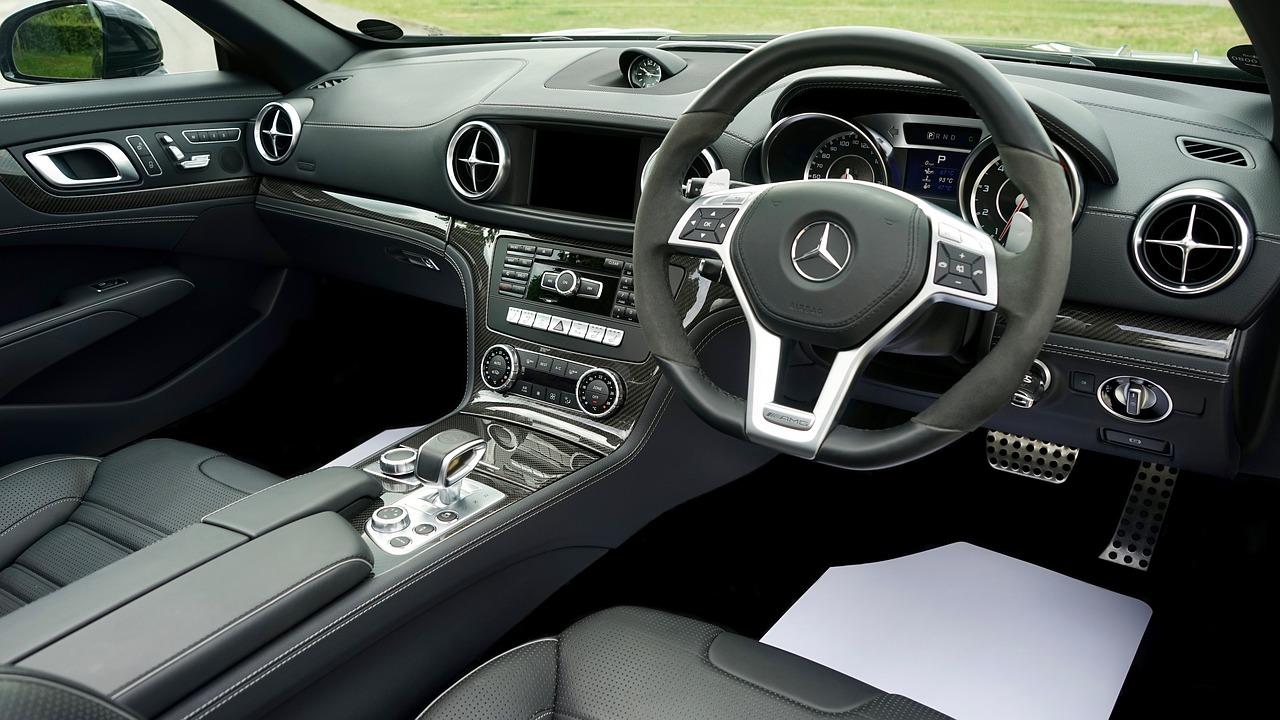
ABS has been extensively used in manufacturing automotive parts

ABS provides good all-round performance for electronic enclosures, computer keyboards etc.
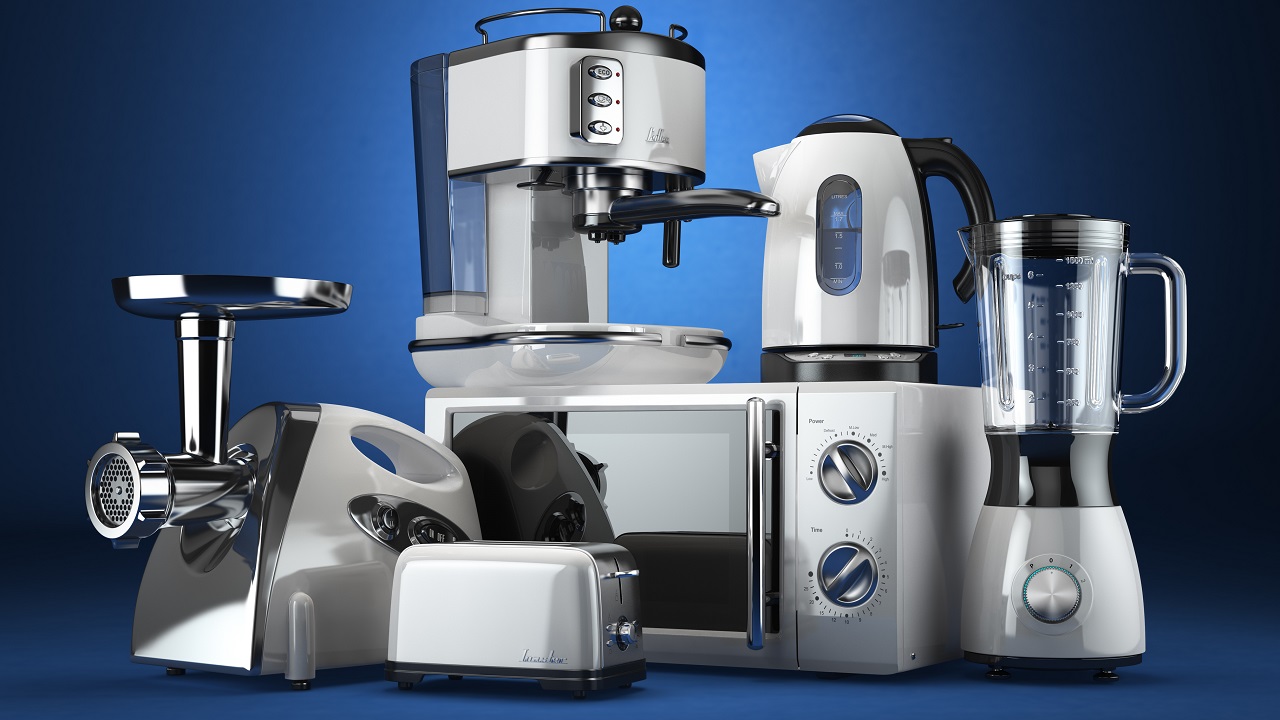
Used of ABS in appliances include appliance control panels, housings (shavers, vacuum cleaners, food processors), refrigerator liners, etc.