
High temperature thermoplastics: How to select the right grade?
Last update on Jul 8, 2025
High-temperature thermoplastics are fast growing in the industry. They are particularly appealing for metal replacement, medical implants, and EV batteries.
High heat plastics and high-performance plastics are synonyms to speak of the same category, ie. high-temperature plastics.
Read on and get a clear picture about:
• their exceptional temperature and mechanical performance, and where it is coming from
• the different chemical subfamilies and when to choose one or the other
• the best fitted applications and the corresponding selection criteria
What are high temperature thermoplastics?
High-heat plastics are materials that resist high temperatures well.
To classify a plastic as high heat, its Heat Deflection Temperature (HDT) must surpass 200°C at 264 psi (1.8 MPa). It means the plastic part can withstand elevated temperatures without significant loss of mechanical properties.
This criteria ensures the material is suited for:
- Long-term service temperature greater than 150°C.
- Short-term exposure to temperatures surpassing 250°C.
This is the core difference with traditional thermoplastics. Under such high-temperature conditions, all other thermoplastics would soften or deform.
High-temperature thermoplastics vs. flame retardant plastics: What's the difference?
High-heat thermoplastics have a chemical backbone that is resistant to extreme temperatures. Flame-retardant plastics have no intrinsic resistance to high temperatures. Compounders use additives to fight against fire ignition and propagation. High-heat plastics would generally be too expensive for FR applications.
If you are looking for fire resistance, rather browse flame retarded plastics.
Typical performance profile
Besides their exceptional thermal stability, high-heat plastics exhibit:
- superior chemical and wear resistance,
- radiation resistance,
- resistance to burning,
- excellent mechanical properties
This is why they are apt to replace metals.
Like all plastics, they come with lighter weight and increased design flexibility. Hence, they are great options to support industry sustainability efforts to lower emissions. They are particularly popular in the EV segment. High-temperature thermoplastics are expensive. Their cost is about ten times that of general-purpose plastics.
What makes high heat plastics thermally resistant?
High-temperature thermoplastics generally gain their temperature resistance from:
- The introduction of rigid aromatic rings instead of aliphatic rings.
- These groups are added to their molecular structure. It restricts the movement of the backbone chain.
- The aromatic rings need two chemical links to be broken for a chain break. Whereas one chemical link breaks in the case of aliphatic structures.
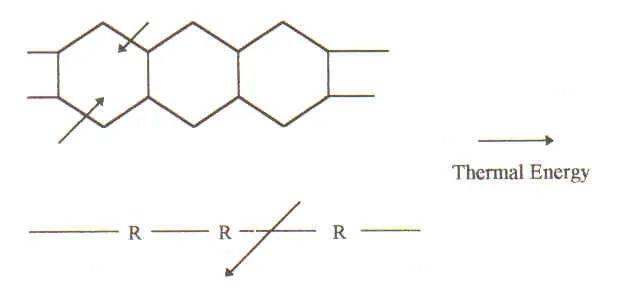
Degradation of an aromatic and a straight-chain polymer due to thermal aging
Hence mechanical properties, high-temperature capability, and chemical resistance improve. These properties can be often equal to or even better than crosslinked thermosetting polymers.
Finding your way within the high-heat plastics offering
Below you can find the list of high-temperature plastics, from the most used to the most niche:
- Polyetheretherketone (PEEK)
- Polyimide (PI)
- Polyamide-imide (PAI)
- Polyphenylene Sulfide (PPS)
- Polyetherimide (PEI)
- Polyethersulfone (PES)
- Polyphenylsulfone (PPSU)
- Polyetherketoneketone (PEKK)
- Polyetherketone (PEK)
- Liquid Crystal Polymers (LCP)
- Polytetrafluoroethylene (PTFE)
- Ethylene Tetrafluoroethylene (ETFE)
- Fluorinated Ethylene Propylene (FEP)
- Perfluoroalkoxy (PFA)
Although polyamides are engineering plastics, you may find some high heat grades suited for metal replacement. Check the section on typical performance boosters to know why.
Already know which plastics you need? Browse for commercial grades and suppliers:
 |  |  |  |  |
 |  |  |  |  |
Key characteristics vs. the polymer structure
To help you progress with your identification of the right high temperature plastic, let's review the chemistries and polymer structure.
Chemistries
High-temperature plastics belong to five chemical families. Here are the reasons to opt for one or the other:
- Polyamides (PAI):
- Strong and durable
- Suited for parts in humid or wet environment
- Easy to shape
- Polyphenylene-Based Plastics (PPS, PSU):
- Exceptional heat resistance
- Resistant to degradation in the presence of aggressive chemicals
- Keep their shape and performance even in extreme temperatures
- Polyketones (PAEK, PEEK):
- Resistant to tough chemicals and solvents, making them great for demanding industrial settings
- Remain stable in hot water and steam environments (hydrolysis resistance)
- Maintain their shape and integrity even under heavy stress and high temperatures (creep resistance)
- Long-lasting parts
- Liquid Crystal Polymers (LCP):
- Low coefficient of thermal expansion
- Can be molded rapidly, which saves time and money for making large quantities of products.
- Excellent electrical properties: LCP has low electrical conductivity and high insulation resistance, making it perfect for electrical and electronic applications
- Fluoropolymers (PTFE, FEP, PFA, ETFE, PVDF):
- Excellent chemical resistance: They offer excellent defense against harsh chemicals and tough environments
- Nonstick and low friction
- Weather and UV resistant
High-heat thermoplastic structures
High-temperature thermoplastics (as all polymers) comprise two molecular structures:
- Amorphous (random order)
- Crystalline (specific order)
| Amorphous | Semi-crystalline |
|
|
High heat compounds: Typical performance boosters
High temperature thermoplastics are subject to significant improvements via compounding and modifications.
Glass fibers
The use of glass-fibers increases heat distortion resistance and rigidity. It also helps reduce the cost of the material. All cheaper options contain glass fibers.
You can find many glass-fiber filled grades within high temperature plastics. It also helps upgrading some engineering plastics to meet high heat criteria.
For example:
- Polyamides are not high heat thermoplastics
- 30% glass fiber filled PA can meet criteria (see detailed examples)
Carbon fibers
Carbon fibers improve strength and modulus. As they are super expensive, carbon fibers filled grades only find use in the defense segment.
Fluorocarbon and graphite particles
Additives such as fluorocarbon or graphite particles greatly improves sliding friction characteristics.
Why use high heat plastics over metals or thermosets?
High temperature plastics vs metals
High temperature thermoplastics have continuous operating temperatures of more than 150°C.
Yet, its high temperature resistance provides other essential performance qualities. These include:
- wear and chemical resistance.
- weight savings in many applications (e.g., automotive).
As a result, they are often considered for metal replacement. Table below summarizes the advantages and disadvantages of high temperature thermoplastics over metals.
Advantages Over Metals | Disadvantages Over Metals |
|
|
High heat thermoplastics vs thermosets
High heat thermoplastics are also often considered as replacements for thermoset polymers. This includes epoxy, phenolic, polyester, etc.
The table below compares the properties of thermosets with thermoplastic resins.
Property | Thermoset Resin | Thermoplastic Resin |
| Melt viscosity | Low | High |
| Processing cycle time | Long | Short |
| Processing temperature and pressure | Low to moderate | High |
| Mechanical properties | Fair to good | Fair to good |
| Toughness | Low | Moderately high |
| Moisture resistance | Relatively poor depending on the resin | Generally high depending on the resin |
| Creep | Good | Poor |
Comparison Between Neat Thermoset and High Temperature Thermoplastic Resins
The main drawbacks of thermoplastics vs. thermosets are their high melt viscosity and processing temperature.
Currently industry focuses on developing flowable high temperature thermoplastics with enhanced properties. High temperature thermoplastics with excellent flowability offer many advantages:
- ease the processing,
- improve part quality,
- enhance production efficiency in many industries.
How to process high heat plastics?
When processing high heat plastics, the primary approach is injection molding. It involves shaping the plastics into various parts and forms.
The three main things you should consider for a successful processing and at the same time environmentally friendly:
- Use of specialized equipment to handle high temperature conditions. Specialized equipment, such as strong molds capable of enduring high temperatures, is utilized for this purpose. These special mold materials need to own superior structural integrity and dimensional stability.
- Precise temperature control prevents polymer degradation and crosslinking at high temperatures.
- Saving Energy: Working with high heat plastics means finding the right mix of making strong materials and using less energy. This involves using efficient heating and cooling systems, along with methods to protect the plastic's strength. This saves money, is eco-friendly, and keeps the plastic useful.
These requirements can impact the polymer's properties and its suitability for the intended application.
Key Applications
Depending on the application of high temperature thermoplastics, they must have superior short- and long-term thermal stability, chemical and radiation resistance, resistance to burning, and superior mechanical properties that are often equal to metals. Explore some of the following markets and applications where high temperature thermoplastics have proven to be the material of choice.
Automotive
High temperature thermoplastics are used to manufacture demanding applications in the automotive industry. The most valued properties are the high heat resistance, dimensional stability, strength, and resistance to a range of chemicals. These properties have led to the replacement of traditional materials such as metal and thermosets. The use of plastics in general has grown in the last decade primarily due to its lightness and resulting greater fuel efficiency. Plastics also offer:
- Greater design flexibility
- Reduced development time, and
- Lower assembly costs
Automotive is the largest market sector for high temperature thermoplastics such as PPS, PEI, and PEEK.
Future trends will continue to be influenced by cost and weight reductions. Environmental considerations will also play an increasingly important role in terms of life cycle cost. There will be an increased need to recycle plastics at the end of the motor vehicle's life. There will also be increasing demands for higher quality materials and greater use of safety, comfort, and aesthetic features.
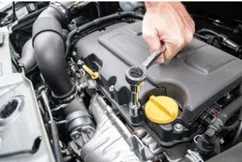
For the automotive industry high heat thermoplastics are used to manufacture:
- Piston components
- Seals
- Washers
- Bearings
- Transmission components
- Transmission thrust washers
- Braking and air conditioning systems
- ABS brake systems engineer control systems
- Truck oil screens
- Starting disks in gears, etc.
Aerospace
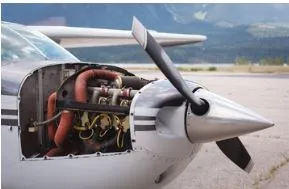
In the aerospace market, PEEK polymers are replacing aluminum and other metals in a wide range of applications. The polymer combines outstanding physical and thermal characteristics with light weight and ease of processing. High numbers of large volume components with fine tolerances can be cost-effectively formed and used without assembly or modification. Applications for PEEK in the aerospace industry include:
- Critical engine parts as the polymer can withstand high temperatures and the tribological interaction of dry and lubricated material contacts.
- In aircraft exterior parts, PEEK provides excellent resistance to rain erosion, while for aircraft interior components, its inherent flame retardancy and low smoke and toxic gas emission reduce hazard in the event of a fire. In aircraft electrical systems, the polymer is used for manufacture of convoluted tubing to protect wires and fiber optic filaments.
- PEEK is also used to protect the wire harnesses used in commercial aircraft engines.
- Polyetherimide (PEI) is also a widely used high temperature thermoplastic in the aircraft industry. Main applications include air and fuel valves, food tray containers, steering wheels, interior cladding parts and semi-structural components. PEI is selected for internal aircraft applications for its inherent flame retardancy and low smoke emissions. It also has excellent chemical resistance to fuels and fluids used in the aircraft industry.
- PES and PSU are used primarily for aircraft interior and exterior components.
In the aerospace industry, high temperature thermoplastics are used to manufacture:
|
|
Electrical and Electronics
Important trends that are driving the electrical / electronic industry, which are influencing plastic selection and performance include:
- Thin-wall design, as a means of reducing cost.
- The ability to meet more stringent technical specifications.
- The desire for higher quality and reliability, driven by expected application lifetimes of 5-20 years.
- Growing market requirements for flame retardant materials that are either halogen free, or have low halogen content.
- Low warpage materials.
- Design flexibility and design for manufacturing and assembly (DFMA).
- Miniaturization, which increases the temperature and mechanical requirements of plastic materials.

Polymers used for high heat electrical applications are:
- Polyphenylene Sulfide (PPS)
- Polyetherimide
- Polysulfones
- Liquid Crystal Polymers
- Polyetheretherketone
- Polyphthalamide
These high heat polymers are used in electrical applications like:
|
|
Industrial Applications
Industrial applications are very demanding for plastics and are often found in hostile operating conditions. In particular, industrial applications require materials that can withstand sliding friction, high temperatures and have good chemical resistance. Machine elements, for example, are subject to sliding friction (slide bearings, rollers, thrust washers, piston rings, seals) for mechanical engineering, textile industry and office equipment.
Industrial machinery and equipment may have to operate at continuous high temperatures, and be required to have a high degree of resistance to chemicals.
High performance plastics are making inroads into industrial applications that were once the domain of metals and thermosets. Engineering and high performance plastics have a number of advantages over traditional materials due to their flexibility in parts design, ease of processing and lightness. They are also tough, abrasion resistant and can withstand high temperature. Continuous product improvement and innovation means that there will be further scope for growth in many areas of industrial applications in future.
Industrial applications of high heat thermoplastics include:
- Impeller wheels for regenerative pumps
- Pump rotors
- Multi-pin connectors
- Glue gun bushings
- Quick coupling systems
- Laundry system wheels
- Conductivity sensors & seals
- Compressor valve plates
- Heat exchanger parts
- Bearings
Medical Applications
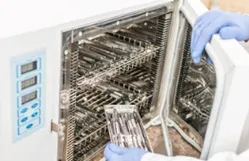
The future prospects for high temperature thermoplastics growth in the medical devices market are excellent. Plastics will continue to replace traditional materials for medical devices because of their greater design flexibility and excellent cost/performance characteristics. Also, overall spending on medical devices is expected to show continued growth.
The following high temperature thermoplastics are majorly employed in medical applications:
- Polyphenylsulfone (PPS)- for the development of sterilizable containers.
- Polyetherimide (PEI)- for both disposable and re-usable medical devices
- Polysulfones (PS) and Polyethersulfones (PES)- for parts and membranes for dialyzers; instruments; parts for instruments; surgical theater luminaries; sterilizing boxes; infusion equipment; secretion bottles and reusable syringes.
- Liquid Crystal Polymers (LCP)- for replacing metal in medical devices in techniques of minimally invasive surgery and microsystem technology.
- Polyetheretherketones (PEEK)- for replacing glass, stainless steel and other metals in a growing range of medical applications like dental instruments, endoscopes, dialyzers, handles on dental syringes and sterile boxes that hold root canal files.
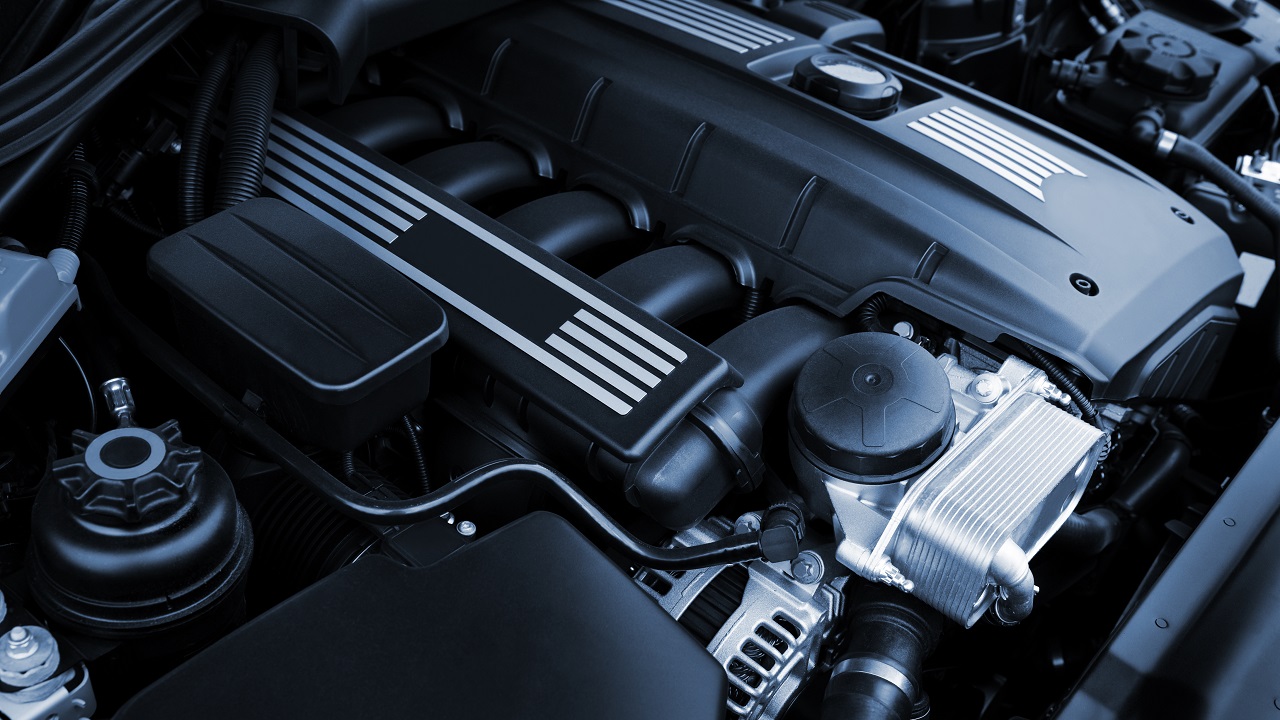
High-temperature thermoplastics are used to manufacture inner car parts
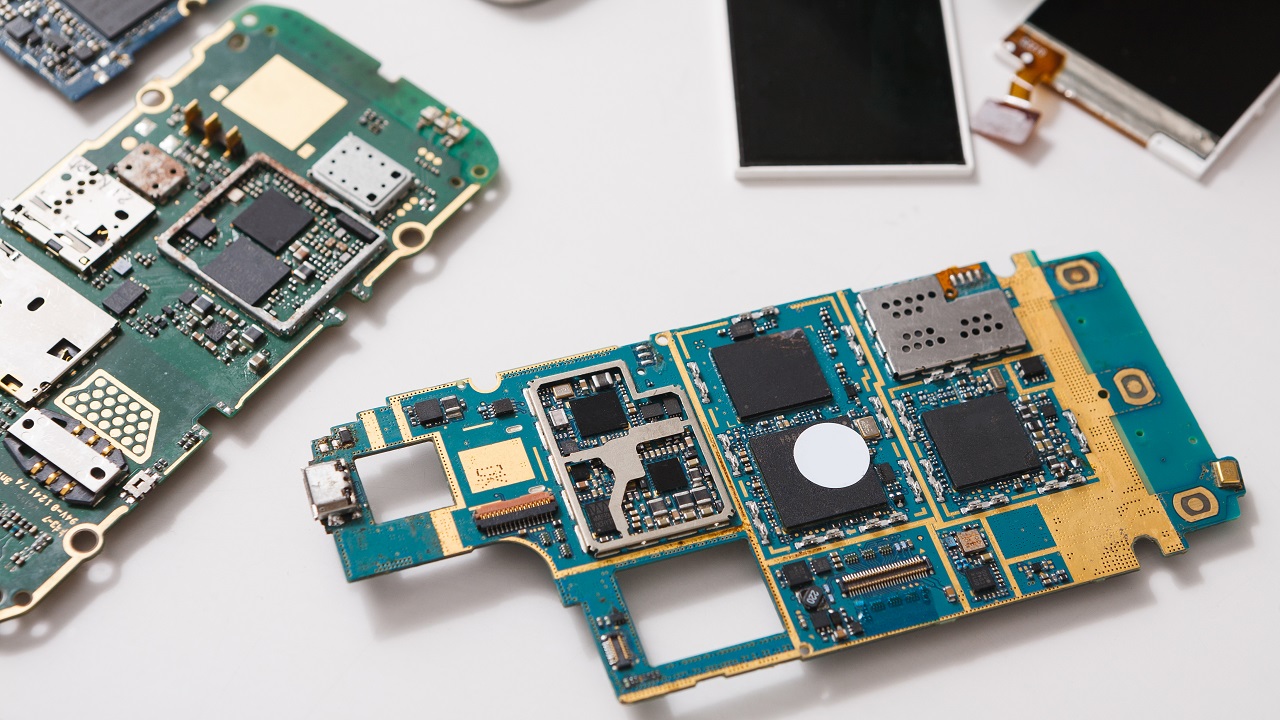
High-heat polymers are used for electrical applications

In the aerospace market, PEEK polymers are replacing aluminum and other metals in a wide range of applications