
Polyphenylene Sulfide (PPS): How to select the right grade?
Last update on Jul 8, 2025
PPS offers exceptional heat resistance, dimensional stability, chemical resistance, and electrical insulation. PPS can also be easily processed via extrusion, injection, and blow molding techniques. These features make it an attractive choice for many applications. But with so many types of PPS available in the market, selecting the right PPS can be challenging.
In this guide, let's help you select the right PPS grade for your application. We will also help you optimize PPS material properties based on your requirements.
What is Polyphenylene Sulfide (PPS)?
Definition
Polyphenylene sulfide (PPS) is a semi-crystalline, high-temperature engineering thermoplastic. It is a rigid and opaque polymer. It has a high melting point (280°C). PPS offers an excellent balance of properties like:
- Exceptional mechanical strength
- Dimensional stability
- Electrical insulation properties
- Resistance to flame, chemical, and high temperature
It can be easily processed as its toughness increases at high temperatures. These assets make it a chosen alternative to metals & thermosets. Suitable for automotive parts, appliances, electronics, and several other applications.
Structure of PPS

Polyphenylene sulfide (PPS) is a high-performance thermoplastic polymer with a unique molecular structure. The chemical structure of PPS is given in the right figure.
Here's a concise description of the PPS structure:
- Backbone: The main chain consists of para-phenylene units alternating with sulfide linkages.
- Repeating unit: -[C6H4-S]n- where C6H4 represents the benzene ring and S is a sulfur atom.
- Bonding: The sulfur atoms form single covalent bonds between the benzene rings. They connect them in a para (1,4) configuration.
- Linearity: The polymer chain is primarily linear. However, some branching can occur depending on the synthesis method.
- Crystallinity: PPS can form semi-crystalline structures. This contributes to its high thermal stability and chemical resistance.
This structure gives PPS excellent properties like high-temperature resistance, chemical inertness, and good mechanical strength.

PPS Manufacturing Process
Early innovations in PPS manufacturing
The first commercial process for PPS was developed by Edmonds and Hill (US patent 3 354 129, Yr. 1967) while working at Philips Petroleum under the brand name Ryton. In the original process developed by Philips, the product obtained has a low molecular weight. It can be used in this form for coating applications.
To produce molding grades, PPS is cured (chain extended or crosslinked) around the melting point of the polymer in the presence of a small amount of air. This curing process results in:
- Increase in molecular weight
- Increased toughness
- Loss of solubility
- Decrease in melt flow
- Decrease in crystallinity
- A darkening in color (a brownish color in contrast to this linear PPS grades are off-white)
Over the period of time, modifications to the process have been reported. This is done to eliminate the curing stage & develop products with improved mechanical strength. Today, all commercial processes use improved versions of this method.
Chemical reaction to produce PPS
PPS is produced by the reaction of sodium sulfide and dichlorobenzene in a polar solvent such as N-methylpyrrolidone and at a higher temperature [at about 250°C (480°F)].

The reaction of sodium sulfide and dichlorobenzene in a polar solvent to produce Polyphenylene sulfide (PPS)
PPS types based on synthesis process
Regular PPS is an off-white, linear polymeric material of modest molecular weight and mechanical strength. When heated above its glass transition temperature (Tg ~85°C), it crystallizes rapidly. The three main types of PPS include:
| Polymer Type | Description |
| Linear PPS |
|
| Cured PPS |
|
| Branched PPS |
|
Properties of Polyphenylene Sulfide (PPS) Polymer
Crystal structure
PPS is a semi-crystalline polymer. The unit cell is orthorhombic (a=0.867 nm, b=0.561 nm, c=1.026 nm). The heat of fusion for an ideal PPS crystal was calculated as 112 J/g.
Depending on the thermal history, molecular weight, and cross-linked status (linear or not) the degree of crystallinity ranges from 0.30 to 0.45%. Amorphous and crosslinked PPS can be prepared by the following ways:
- Heating the material above the melting temperature
- Cooling it to around 30°C below the melting temperature, and
- Holding it for several hours in the presence of air
Dimensional stability
PPS is an ideal material of choice to produce complex parts with very tight tolerances. The polymer exhibits excellent dimensional stability even when used under high temperature and high humidity conditions.
Electrical properties
PPS has excellent electrical insulation properties. High volume resistivity and insulation resistance are retained after exposure to high-humidity environments. It has a less pronounced O2 sensitivity. It can be conveniently doped to get high conductivity.
Thermal properties and fire resistance
PPS is a high-temperature specialty polymer. Most of the PPS compounds pass UL94V-0 standard without adding flame retardant. PPS can be resistant at 260°C for a short time and used below 200°C for a long time.
Mechanical properties
At high-temperature conditions, PPS has high strength, high rigidity, and low degradation characteristics. It also shows excellent fatigue endurance and creep resistance. PPS has a lower elongation to break, a higher cost, and is rather brittle. Today, PPS is available in different forms and grades such as compounds, fibers, filaments, films and coatings.
Chemical properties
PPS has good chemical resistance. If cured, it is unaffected by alcohols, ketones, chlorinated aliphatic compounds, esters, liquid ammonia, etc. It also tends to be affected by dilute HCl, nitric acids, and concentrated sulfuric acid. It is insensitive to moisture and has good weatherability.

PPS Material Properties Optimization Using Additives
There are varieties of PPS compounds available in the market today. Due to the chemical robustness of the polymer, additives can be applied to improve the overall performance.
Fillers/fibers
PPS resin is generally reinforced with various reinforcing materials like fillers and fibers or blended with other thermoplastics to improve its mechanical and thermal properties. PPS is more used when filled with glass fiber, carbon fiber, and PTFE.
Many grades are available including:
- Unfilled Natural
- 30% and 40% glass filled
- Mineral filled
- Glass-mineral filled
- Conductive and Anti-Static Grades
- Internally lubricated bearing grades
However, on the market PPS-GF40 and PPS-GF MD 65 are established as standard compounds. These two have an overwhelming market share. The typical property values for reinforced and filled grades fall in the range shown in the table below.
| Property (Unit) | Test Method | Unfilled | Glass Reinforced | Glass-Mineral Filled* |
| Filler Content (%) | - | - | 40 | 65 |
| Density (kg/l) | ISO 1183 | 1.35 | 1.66 | 1.90 - 2.05 |
| Tensile Strength (MPa) | ISO 527 | 65-85 | 190 | 110-130 |
| Elongation at Break (%) | ISO 527 | 6-8 | 1.9 | 1.0-1.3 |
| Flexural Modulus (MPa) | ISO 178 | 3800 | 14000 | 16000-19000 |
| Flexural Strength (MPa) | ISO 178 | 100-130 | 290 | 180-220 |
| Izod notched Impact Strength (kJ/m2) | ISO 180/1A | - | 11 | 5-6 |
| HDT/A @ 1.8 MPa (°C) | ISO 75 | 110 | 270 | 270 |
Typical Mechanical Properties of PPS Compounds
Data from Product brochures: DURAFIDE®, Polyplastics; Ryton®, Solvay
* depending on filler ratio Glass / Mineral
As you can see, the mechanical properties of reinforced grades differ significantly from the unfilled neat polymer. Typically, neat polymer grades are used for fibers and films. Filled/reinforced grades are used in thermally and/or chemically demanding environments.
Nanoparticles
Further PPS-based nanocomposites can also be prepared using:
- Carbon nanofillers (expanded graphite (EG) or ultrasonicated EG (S-EG), CNTs) or
- Inorganic nanoparticles
Due to the insolubility of PPS in common organic solvents, most PPS-nanocomposites have been prepared by melt-blending approach. One of the main reasons for adding nanofillers to PPS is to improve its mechanical properties to meet the increasingly high demand for certain applications.
Finding the best fit for your requirement(s)
Different additives are used to alter PPS properties. But your focus should be on the property or properties you want to achieve for your application. Here's a quick list to help you find the perfect fit for your end application.
| Property Requirement | Example of Suitable Additives Used |
| Low melt flow High viscosity | Alkali metal silicate, alkali metal sulfite, amino acids, and oligomers of a silyl ether |
| Increase molecular weight | Calcium chloride can be added during polymerization |
| Improve impact resistance | Inclusion of block copolymers in the initial reaction |
| Improve crystallization rate | Add sulfonic acid esters along with a nucleating agent |
| Increase heat stability Low crystallization temperature | Add alkali metal or alkali earth metal dithionate in the mixture |
Select the different types of Polyphenylene sulfide (PPS) available in our database.



PPS Polymer Processing Techniques
PPS resins are typically processed using blow molding injection molding, and extrusion techniques at temperatures ranging from 300-350°C. The processing of PPS can be hampered at times due to its high melting point. For filled PPS grade, the upper processing temperature should be used to avoid wear and tear of the barrel, screw, and screw tip.
Pre-drying occurs at 150-160°C for 2-3 hrs or 120°C for 5 hours. It enhances molded the appearance of products and prevents drooling. For carbon fiber-filled grades, pre-drying is particularly important. This is because the moisture absorption is high due to the carbon fibers.
Injection molding
Polyphenylene sulfide can be processed via injection molding. To have higher productivity, a mold temperature of 50°C followed by post-crystallization at 200°C is possible. But it is not recommended for applications requiring high dimensional stability. Because of its low viscosity, mold tightness has to be checked.
- Cylinder temperature: 300-320°C
- Mold temperature: 120-160°C, to obtain good crystallization and minimize warping
- Injection pressure: 40-70MPa
- Screw Speed: 40-100 rpm
Extrusion
PPS can also be processed by extrusion technique. Commonly available for fiber and monofilament production as well as tubing, rod, and slab.
- Drying conditions: 121°C for 3 hrs
- Mold Temperature: 300-310°C
- Melt Temperature: 290-325°C
PPS and Sustainability

PPS polymers can be a sustainable choice when produced and used responsibly. The sustainability of PPS depends on factors such as its source, manufacturing processes, and end-of-life management.
The following points should be kept in mind if you are looking for sustainable PPS grades.
- Raw Material Sourcing: Ensure that the raw materials used in PPS manufacturing are derived from renewable sources. This can contribute to low greenhouse gas emissions and make PPS production more efficient.
- Durability: PPS is a high-performance polymer known for its durability and resistance to heat, chemicals, and wear and tear. This means that products made from PPS often have a long lifespan, reducing the need for frequent replacements.
Recyclability: Polyphenylene sulfide (PPS) is recyclable. PPS can be recycled by:
- Mechanical recycling methods, such as grinding or shredding
- Chemical recycling methods, such as depolymerization
Due to its high melting point and chemical resistance, the recycling process for PPS can be challenging. This in turn makes the processing more difficult. However, there are specialized recycling facilities that are equipped to handle PPS recycling, and efforts are being made to increase its recyclability and promote the circular economy.
- Lightweight: PPS is a lighter weight alternative to metals, resistant to corrosion by salts and all automotive fluids. The ability to mold complex parts to tight tolerances and insert molding capability accommodate multiple component integration.
- Certifications: PPS polymers produced using ISCC+ certified recycled or biomass materials can be considered sustainable and environmentally friendly.
- Toxicity: Polyphenylene sulfide is generally considered to be a safe and non-toxic material. PPS can pose a risk to human health and the environment if not handled properly or used inappropriately. Hence, it is important to follow proper safety protocols and guidelines. It is important to note that the safety of any material depends on its specific use and application.
By carefully evaluating these factors, you can make informed decisions about the sustainability of PPS products and choose options that align with your environmental goals.

Key Applications
Polyphenylene Sulfide is a high-performance thermoplastic polymer with a unique set of properties. The moderate cost of PPS and ease of production makes it valuable across industries. PPS is used in applications where high-temperature resistance is needed. Find out the different applications where PPS grades are used.
Automotive Applications/ Automobile Parts
Polyphenylene Sulfide applications in automotive market have seen strong growth mainly due to its ability to replace metal, thermosets and other types of plastic, in more demanding applications. It is an ideal choice for automotive parts exposed to:
- High temperatures,
- Automotive fluids, or
- Mechanical stress
PPS is a lighter weight alternative to metals, resistant to corrosion by salts and all automotive fluids. The ability to mold complex parts to tight tolerances and insert molding capability accommodate multiple component integration.
Under-the-hood is the largest application area for PPS followed by electrical parts. PPS applications in automotive include fuel injection systems, coolant systams, water pump impellers, thermostat holder, electric brakes, switches, bulb housing and so on.
It is rarely used for the manufacture of interior or exterior auto parts.
Electronic and Electrical Applications
Owing to its high temperature resistance, high toughness, good dimensional stability and good rigidity, PPS becomes an ideal material of choice in E&E market.
- Offers excellent flow and low shrinkage for precision molding of connectors and sockets
- Provides superior stiffness and mechanical integrity for reliable assembly, and
- Is the most stable material choice for all soldering methods
PPS compounds also have UL94 V-0 flammability ratings without the use of flame retardant additives. Special low flash grades have been developed to meet the needs of high precision molding applications. In the electrical / electronic sector, Polyphenylene Sulfide is also used to manufacture a range of articles including bobbins and connectors, hard disk drives, electronic housings, sockets, switches and relays. The key trend influencing PPS growth in electrical / electronic applications is substitution of other lower temperature polymers.
Appliances
Thanks to its exceptional dimensional stability, low density, corrosion- and hydrolysis resistance, PPS can be used to manufacture heating and air conditioning components, fry pan handles, hair dryer grills, Steam iron valves, toaster and dryer switches, microwave oven turntables etc. in electric appliances.
Industrial Applications
PPS has been replacing metal alloys, thermosets, and many other thermoplastics in mechanical engineering applications. The thermal stability and broad chemical resistance of Polyphenylene Sulfide make it exceptionally well suited to service in very hostile chemical environments.
- It finds uses in many heavy industrial applications, including some outside the arena of reinforced injection molding compounds
- It is used in fiber extrusion as well as in non-stick and chemical resistant coatings
- It is well suited to manufacture mechanically and thermally highly stressed molded parts
- In machine construction and precision engineering, PPS is used for various components such as pumps, valves and piping
- It can also be found in oil field equipment such as lift and centrifugal pump components, oil patch drop balls, rod guides and scrapers
- In the heating, ventilation and air conditioning (HVAC) equipment sector, Polyphenylene Sulfide is used for compressors, mufflers/reservoirs, hot water circulation components, induced draft blower housing, motor relays and switches, power vent components and thermostat components
Medical and Healthcare Applications
PPS compounds (typically glass reinforced grades) are used in medical application such as surgical instruments and device components & parts that require high dimensional stability, strength and heat resistance. PPS fibers are also used in medical fibers and membranes.
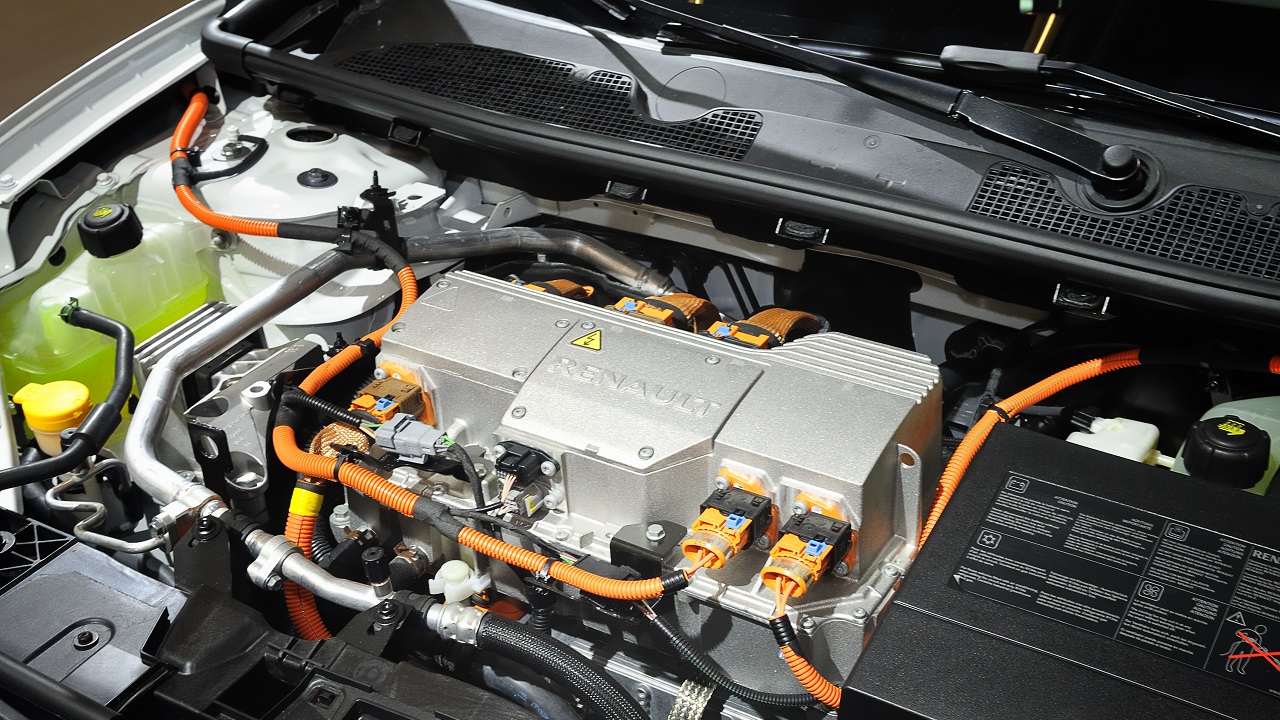
PPS applications in automotive include fuel injection systems, coolant systems, water pump impellers, thermostat holder, electric brakes, switches, bulb housing, etc.

PPS becomes an ideal material of choice in E&E market because of its high temperature resistance, high toughness, good dimensional stability and good rigidity

PPS has been replacing metal alloys, thermosets, and many other thermoplastics in mechanical engineering applications