

Emulsion Polymers Selection for Adhesives and Sealants
Last update on Jul 17, 2025
What are Polymer Emulsions?
Polymer emulsions can be defined as dispersions of polymeric particles of about 100 – 1000 nm size in an aqueous dispersion media. They are polymer dispersions, by technical terms, and often also referred to as 'emulsion polymers', 'dispersions' or 'polymer latex'.
Physically they fall into the category of colloidal systems.
- Colloids are the microscopical dispersion of one substance into another of which it is not (or little) soluble in.
- These systems are characterized by high internal interface areas and specific physico-chemical properties derived thereof.
Due to the high surface area, all colloidal systems are meta-stable. The laws of physics drive them to reduce that area which leads to coagulation.
In technical systems, stabilizers are used to mitigate this natural tendency and to keep the systems in the colloidal state until usage.

Dispersion and Dimensions of Surface/Particle size
Examples for naturally formed colloids are milk, fog, mist or clouds, smoke, blood and the natural rubber latex from the Amazonian rubber tree (Hevea brasiliensis), which stands at the origin of this industry. Since its first industrial application in the early 20th century, emulsion polymerization developed to be one of the most versatile polymerization techniques in the polymers industry.
Polymer emulsions are primary dispersions, which means that the polymer and the colloid are formed in one step. Dispersing already made polymers into an aqueous medium forms secondary polymer dispersions. Commercial examples are wax dispersions. This step requires:
- A high-energy intake to create small enough particles, and
- Often high amount of stabilizers to keep the microscopic particles separated.
Technically important are Polyurethane Dispersions and Emulsion Polymers. Here, we are focusing on the latter.
How Emulsion Polymers are Made
Emulsion Polymers formed by free-radical polymerization of monomers emulsified into water. Emulsion polymerization has a specific mechanism and kinetics, which makes it different from many other polymerization techniques.
Organic monomers are emulsified under the aid of stabilizers into water that serves as a continuous matrix.
- The addition of radical-forming initiators to the aqueous phase starts the polymerization, which happens outside of the monomer droplets (this would make suspension polymerization instead!).
- But in the aqueous phase, monomer micelles or monomer swollen polymer particles, depend on mechanism and phase of the process.
The monomer droplets just serve as a reservoir from which monomer molecules are delivered. With this mechanism, very high degrees of polymerization can be achieved at high-solids content, whilst the overall viscosity of the system stays within reasonable terms for processing.
For many applications, this dispersion is ready-to-use without further expensive separation and cleaning steps. In other cases, the polymer emulsion is precipitated or spray-dried to form a re-dispersible polymer powder (RDP).
From an application point of view, polymer emulsions are waterborne systems.
- Waterborne systems are based on water – not organic solvent – as the main carrier.
- They found increasing interest over the past decades due to their favorable profile in terms of emission control.
Therefore, emulsions polymers are amongst the fastest-growing categories of specialty chemicals in the world.
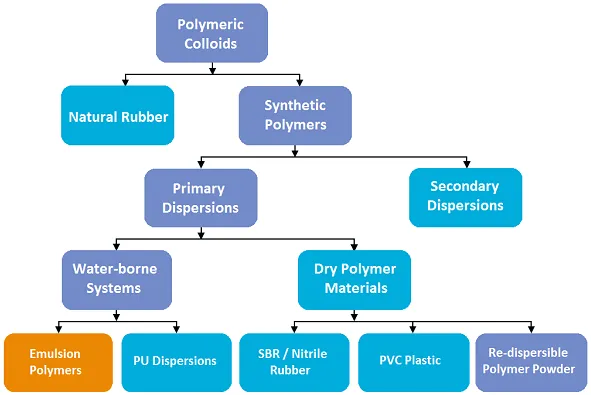
Classification of Colloidal Polymer Material
Let's explore the characteristics, chemistries, key benefits and applications provided by emulsion polymers in detail...
Characteristics of Emulsion Polymers
Emulsion Polymers are very versatile products.
- They are commercially available as dispersion of polymer particles in water.
- These milky-white liquids range from water-thin to thick paste-like in viscosity.
These two properties, together with a pH, define the standard qualities of any commercial emulsion polymer.
Some key factors for characterizing emulsion polymers are:
#1 Solid Content
The solid content is defined as the dry residue of all solid material after evaporation of water, containing polymer, stabilizer and organic or inorganic auxiliaries, divided by the total mass of the dispersion. Commercial emulsion polymers contain between about 45 and 65% solids according to that method.
#2 Particle Size
The real particle size of any given polymer dispersion is often difficult to attain. The results differ from the physical method used or even depending on the specific equipment provided. A well-defined, narrow, mono-disperse particle size distribution is the exemption for the products to be discussed here.
Most of the emulsion polymers exhibit broad or multi-disperse, often skewed distributions. Also, the shape of the particles that are not necessarily ideal spheres and the particle morphology need to be considered. Often only a few characteristic numbers, such as the average number or average weight are calculated, from the measured values to characterize the dispersion.
As the polymer particles have a more or less extended interface layer, composed from adsorbed or grafted stabilizers, and electrolytes the 'dry' core diameter needs to be distinguished from a hydrodynamic diameter in the swollen, wet state.
The preparation of the dispersion before testing is often crucial. Some dispersions tend to form agglomerates, that can bias some methods, towards higher average particle sizes.

Particle Size Consideration
The frequently used particle size methods established for the characterization of emulsion polymers are:
- Transmission electron microscopy (TEM)
- Laser Aerosol Spectroscopy (LAS)
- Light scattering (LS)
- Disk centrifuge (DC)
- Field flow fractionation (FFF)
- Capillary hydrodynamic fractionation (CHDF)
Some of the methods fail to detect very small particles, other 'overweight' large particles or agglomerates.
In general, it is advised to use a combination of two or three different methods to know the 'true' particle size distribution of a given dispersion. For quality control measures, it is often sufficient to use a robust, established, wide-range standard method, as offered by test equipment suppliers for that purpose.
#3 Coagulum in a Product
The coagulum present in a commercial product is measured by washing a measured sample of a diluted emulsion polymer product through a sieve with a defined mesh size. The coagulum is calculated as the weight of the dry residue on the sieve divided by the total amount of dispersion ran through.
#4 Rheology/Viscosity
The viscosity or rheology of an emulsion polymer is a complex property that depends on:
- Solid content
- Particle size distribution
- pH
- Particle surface charge, and
- Organic content in aqueous phase amongst others1
The viscosity or thickness in practical terms is defined as resistance to flow. High viscosity liquids are relatively immobile when subjected to shear (a force applied to make them move), whereas low viscosity fluids flow relatively easily.
The shear rate is defined as the speed with which a material is deformed.
- In some processes relevant for the application of polymer emulsion, such as spraying or nozzle application for adhesives, the shear rate is high.
- Other processes, for instance, during pumping or formulation leveling, the associated shear rate is low.
The viscosity remaining constant and independent from the shear rates applied defines Newtonian fluids. Shear-thinning materials exhibit decreasing viscosities when the shear rate increases. Most polymer emulsions fall into this category.
In some rare cases, emulsion polymer products can also have shear-thickening properties. Under shear stress, the components of the dispersion re-arrange and the resistance, and therefore the viscosity is increased. Therefore, the understanding of the full rheological profile of an emulsion polymer over a wide range of shear is essential.
Just relying on a single point value at one specific set of conditions, as it is often used as quality check with a simple rotary viscometer, at defined rotations per minute and sample temperature, is often not sufficient.
Measurement of viscosity and other rheological properties can be made using either capillary or rotational rheometers, the choice of system depending on:
- The properties of the material being tested
- The data required
#5 Glass Transition Temperature
The glass transition temperature (Tg) of an emulsion polymer product is measured by Differential Scanning Calorimetry at a dried film.
- It translates into mechanical properties, for example – abrasion resistance or rigidness of a formed film.
- The Tg of a given product is mainly influenced by the bulk monomers it is made of.
#6 Residual Monomer/VOC
As many emulsion polymer products are used in green applications for reduced emissions and to replace solvent-borne systems, the residual monomer content as well as the account of 'total volatile organic components (VOC)' is an important characterization.
#7 Molecular Weight
There are many more dimensions to investigate and to fully characterize an emulsion polymer. Most of them are not easy to access. For instance, the molecular weight of the polymers is often not thoroughly analyzed.
Due to emulsion polymerization typical high molecular weights, cross-linking or grafting reactions, the bulk polymer is often not accessible for molecular weight analysis. Only the soluble part is investigated, separated from the insoluble one.
Depending on the specific question to be solved, also properties like polymer micro-structure, particle surface charge, or content of aqueous solution (serum) are investigated.
Selection Based on Emulsion Chemistry
Emulsion polymers are products by the process. This means that the specific application properties not only derive from the chemical composition of the specific product but also from the specific process of making it.
The four main factors that influence the properties of an emulsion polymer and its performance in the application are:
- Monomers – The type and ratio of the monomers that form the bulk polymer.
- Stabilizers – The type and amount of stabilizers.
- Auxiliaries – The exact composition of the 1 – 2% of auxiliaries essential for the polymerization process.
- Polymerization Process – The polymer process itself.
Certainly, any post-polymerization treatments or additions can influence the final properties as the formulation does, in which the emulsion polymer gets applied. These factors are not covered here.
Monomers
A fast amount of monomers can be used in emulsion polymerization to tailor the application properties. The material properties of the polymer emulsion products in application, such as:
- Hardness
- Flexibility
- Hydrophilic to hydrophobic properties
- Adhesion and cohesion
…are determined by the diligent choice of the main monomers the emulsions are made of.
Hence, there are only three distinct monomers and one monomer class, that contribute to the majority of the bulk polymer material of all emulsion polymers, such as:
- Butadiene
- Styrene
- Vinyl acetate, and
- The group of Alkyl (meth) acrylates

The Main Monomer Base for Industrial Emulsion Polymerization
Depending on if copolymerizations in-between these main bulk monomers are possible or favorable, the vast majority of emulsion polymers can be sub-summarized under one of the three major groups:
These three types sum up to more than 80% of the total market.

Market Share of Main Polymer Types
Source: The Freedonia Group, Inc
Acrylates
The class of acrylates is the most versatile in terms of a polymer property range. Only in a few applications, e.g. when resistance against alkaline conditions is required, acrylic polymers are not favorable to use.
There are many monomers commercially available as esters of Acrylic- or Methacrylic acid, ranging from low to high Tg as well as from hydrophilic to hydrophobic. They also can bear manifold functionalities.
Acrylic-based monomers quite easily can be copolymerized with Styrene or Vinyl acetate, forming Styrene-acrylics and Vinyl acrylics as sub-classes, respectively.
The table below lists some typical acrylic-based monomers with physical data:
| Monomer | Molecular Weight [g-mol-1] | Boiling point [°C] | Tg [°C] | ΔpolyH [MJ kg-1] |
| n-Butyl acrylate | 128,2 | 148 | - 54 | - 0.60 |
| Ethylhexyl acrylate | 184,3 | 214 | - 50 | - 0.33 |
| Acrylonitrile | 53,1 | 77 | 98 | - |
| Acrylic acid | 72,1 | 105 | 105 | - 1.08 |
| MMA | 100,1 | 101 | 105 - 120 | - 0.58 |
Overview typical commercial Acrylic monomers, according to "L.H. Howland, V.C. Neklutin, R.L. Provost and F.A. Mauger, Ind. Eng. Chem., 45, 1304-1311, 1953"
Styrene-acrylics offer excellent hydrophobic characteristics in combination with a high glass transition temperature that translates into high durability, abrasion resistance, and in general good mechanical properties.
Also, based on the high hydrophobicity of styrene, very low particle sizes can be achieved with Styrene acrylic copolymers in the emulsion, an essential need for certain applications, such as:
- Primers for the construction industry, or
- Binders for paper coatings
One drawback is the tendency to yellowing in the final product (also depending on the formulation), based on the aromatic nature of the Styrene monomer.
It is very common in the emulsion industry to copolymerize Acrylic monomers with Vinyl acetate to form Vinyl acrylics. This class of products is a good compromise for many applications between the high performance/ high-cost pure Acrylics and the lower performance/lower cost Vinyl acetate emulsions.
Styrene-butadienes
Styrene-Butadiene based polymer emulsions are the second largest group of polymer emulsions, but the least versatile segment in terms of copolymer composition.
Being copolymerized with Carboxyl moiety bearing monomers or not mainly differentiates Styrene-Butadienes from a chemistry point of view. They are largely produced by high volume manufacturers and delivered almost exclusively into two applications, such as:
- Paper coatings, and
- Carpet backing adhesives
The table below lists the monomer properties of Styrene and 1,3-Butadiene:
| Monomer | Molecular Weight [g-mol-1] | Boiling point [°C] | Tg [°C] | ΔpolyH [MJ kg-1] |
| 1,3-Butadiene | 54,1 | - 4.5 | - 85 | - 1.28 |
| Styrene | 104,1 | 145 | 100 | - 0.65 |
Overview monomer properties of Styrene and 1,3-Butadiene, according to "L.H. Howland, V.C. Neklutin, R.L. Provost and F.A. Mauger, Ind. Eng. Chem., 45, 1304-1311, 1953"
Vinyl Acetate-based Homo- and Copolymers
Vinyl Acetate homo- and copolymers are the third-largest group of polymer emulsions. Due to its higher hydrophilic character, Vinyl acetate-based polymer emulsions mainly bind to hydrophilic surfaces, namely cellulose – as in its typical application in Paper and Packaging or Wood Adhesives.
To enable binding to less polar surfaces (e.g. coated surfaces or polyethylene foil), the introduction of less polar, more hydrophobic copolymers is needed, as it is widely done, for instance with ethylene or VeoVa™. In combination with the latter co-monomer, vinyl-based polymer emulsions deliver an excellent resistance against alkali, a property that is desired in many construction applications.
Hence, the space of commercially available vinyl-based co-monomers to alter the intrinsic properties of Vinyl acetate is limited, most of all if it comes to expand the glass transition temperature (Tg) towards higher values.
In the past, Vinyl chloride was used as a co-monomer adding favorable property to the final product, namely:
- Flame resistance
- Mechanical resistance
But, due to its toxicological and environmental profile and the additional burden to use it in manufacturing, it got used lesser over the past decades.
The table below lists the typical monomers copolymerized with Vinyl acetate with the physical data:
| Monomer | Molecular Weight [g-mol-1] | Boiling point [°C] | Tg [°C] | ΔpolyH [MJ kg-1] |
| Vinyl acetate | 86,1 | 71 | 28 - 32 | - 1.02 |
| Ethylene | 28,1 | - 103 | - 100 | - 3.42 |
| VeoVa™ 10 | 198,3 | 270 - 280 | - 3 | - 0.48 |
| Vinyl chloride | 62,5 | - 13.4 | 85 | - 1.69 |
Overview typical commercial monomers copolymerized with Vinyl acetate, according to "L.H. Howland, V.C. Neklutin, R.L. Provost and F.A. Mauger, Ind. Eng. Chem., 45, 1304-1311, 1953"
(Source: VeoVa™ 10 data from Hexion)

Stabilizers
The second most important ingredient in a recipe for emulsion polymerization is the stabilizer. It is essential during the process of emulsion polymerization and keeps the final polymer dispersion stable during transportation, over shelf life, and during application if necessary.
There are three major stabilization mechanisms known, such as:
- Electro-static
- Steric
- Electro-steric
Additionally, there is a mechanism called depletion stabilization, where polymers in the aqueous phase take space between the colloidally dispersed particles, and therefore hinder them to follow their depletion force and coagulate.
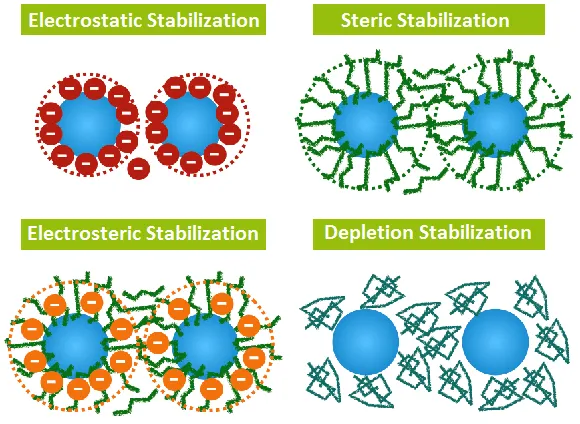
Four Possible Emulsion Polymerization Stabilization Mechanism
Steric stabilizers are polymers themselves. Mainly Polyvinyl alcohols (PVA or PVOH) are used as steric stabilizers but also functionalized cellulose or Polyethylene glycol / Polypropylene glycol block-copolymers amongst others.
- Polyvinyl alcohol as a polymer is made by hydrolysis of Polyvinyl acetate resins and can be characterized by its degree of polymerization and degree of hydrolysis.
- The degree of polymerization is often expressed as intrinsic viscosity (Höppler viscosity) of a solution of Polyvinyl alcohol.
- Typical commercial grades, used in emulsion polymerization range from Höppler numbers between 4 and 40, with an average degree of hydrolysis of 88%, with exemptions supporting that rule.
Due to the similar chemical structure, Polyvinyl alcohols are at their majority used with Vinyl acetate homo- or copolymer dispersions. The resulting products have a quite broad particle size distribution, and the partly grafted, partly adsorbed and partly freely dissolved PVOH contributes to the rheological profile of the products in application.
Electro-static and electro-steric stabilizers are amphiphilic molecules, with hydrophobic and hydrophilic parts. Often, they are defined as surfactants as they are active at the surface (of the polymer particle in our case).
In opposite to the relatively limited amount of steric stabilizers used in commercial emulsion polymerization, the surfactants in use are myriad. Often two or three surfactants are combined together in an emulsion recipe, or they are added in parts to a mainly steric stabilized system.
With the right choice of surfactants, the properties of the final product can be tailored. For instance, small and narrow distributed particle sizes can be achieved in commercial emulsion polymerization with the right surfactant package.
Some typical examples for surfactants acting as electro-static stabilizers are salts of sulfonated or sulfated alkyl alcohols, which can be of the natural or technical source. Also, full or half esters of succinic acid found its application in emulsion polymerization.
When the alcohol gets ethoxylated, the stabilization mechanism shifts from electro-static to electro-steric, depending on the degree of ethoxylation. Ethoxylated surfactants come as non-ionic surfactants or ionic surfactants, also known as salts of the respective sulfonic or sulfuric acid.
The table below collects a very incomprehensible list of surfactants used in commercial emulsion polymerization.
| Raw material | Surfactant | Type |
| Alkanes (mineral oil) | Alkyl sulfonates | Anionic |
| Alkyl benzenes (mineral oil) | Alkyl benzylsulfonates | Anionic |
| Fatty alcohols (mineral oil or natural) | Fatty alcohol sulfonates | Anionic |
| Fatty alcohols (mineral oil or natural) | Fatty alcohol ethyoxylates | Non-ionic |
| Fatty alcohols (mineral oil or natural) | Fatty alcohol ethyoxylates | Anionic |
| Succinic acid | Sulfosuccinate esters | Anionic |
Some typical Surfactants in Emulsion Polymerization
One specific class of ethoxylated surfactants was used very frequently in the pioneer years of emulsion polymerization, as they proved to be very effective stabilizers, such as alkylphenol ethoxylates, both in their anionic and non-ionic form.
- This surfactant type has attracted attention due to its prevalence in the environment and its potential role as an endocrine disruptor and xenoestrogen, due to its ability to act with estrogen-like activity.
- It is regulated or even banned in many regions and industries. Therefore, it was replaced in many emulsion recipes by less toxic alternatives.
The stabilizers act already in the process of emulsion polymerization, impact the polymerization mechanism and influence, therefore, particle size distribution and surface charge, but also the molecular weight of the resulting polymer.
In the final product, they can positively contribute to the application properties but also have an adverse effect.
- Mainly low molecular stabilizers can migrate from the polymer film to the surface and have negative effects e.g. on adhesion. Often, they also influence the behavior of the (formulated) Emulsion Polymers during application.
- Unwanted foaming or problems with wetting are typical issues coming from wrongly chosen surfactant package.
Auxiliaries
Under 'auxiliaries' - All chemicals that are neither monomers nor stabilizers can be sub-summarized. Every commercial recipe contains auxiliaries, from up to 0.1 to about 1% of the total amount of chemicals used. Even not adding to the mass of the product, they can impact its final properties and performance in the application.
The most important auxiliary is the radical-forming initiator. Peroxides or other chemicals that decompose thermally or combinations of metal salts with reducing components that form radicals via a redox mechanism at lower temperatures are used to start the polymerization. Other auxiliaries are:
- Buffers
- Acids
- Bases
- Molecular weight moderators, and
- Inorganic salts amongst others

Every commercial recipe contains auxiliaries, from up to 0.1 to about 1% of the total amount of chemicals used
Polymerization Process
Emulsion Polymers are 'products by process'. This signifies that the final product properties and its performance in the application are not only determined by the composition of the bulk polymer but also by the process of making it.
Most of the globally produced emulsion polymer material is produced in:
- Stirred tank reactors with batch or semi-batch type processes.
- CSTR cascades or tubular reactors with continuous processes.
The exact procedure of adding components and the profiles of important process variables like:
- Temperature
- Monomer, or
- Initiator feeds, etc.
…have a high impact on the properties of the final dispersion.
Independent of the composition of the chemicals used, for instance – particle size, polymer microstructure, surface charge, or particle morphology can be widely varied by the process conditions. Therefore, two 'chemically' identical emulsion polymers can have completely different application properties.
The exact types and amounts of auxiliaries, as well as the polymerization process used, are held as a trade secret of the emulsion polymer producers. Therefore, even very similar products from different suppliers will not be exactly interchangeable in all formulations or applications.

Emulsion polymers are produced in tank reactors
Benefits and Features of Emulsion Polymers
Emulsion Polymers are 'ready-to-use products' in most cases. Expensive secondary process steps, like precipitation and cleaning of the product, are spared. Some exemptions are:
- Rubbers
- Emulsion polymerized Polyvinyl chloride plastics (PVC), and
- Re-dispersible powders (RDP)
Impact of Water During Polymerization
As the polymerization happens in water as the continuous phase, and due to the specific emulsion polymerization mechanism, very high molecular weights can be achieved, without having un-manageable high process viscosities.
Low Emissions and VOC
Modern emulsion polymers are relatively sustainable products that help to reduce emissions in many applications. Many processes and applications that required solvents can be transferred into completely solvent-free, water-borne ones, based on Emulsion Polymers.
Therefore, the past and continuing growth of the emulsion polymers sector is mainly driven by an increasing substitution of solvent-based systems by more environmentally-friendly water-based ones in paints & coatings, adhesives and other construction materials.
A key role for this increasing market penetration plays regulatory support towards lower emissions, and in general, reduced volatile organic components (VOC) across various nations and regions for a broad variety of consumer products.
Properties to Consider While Handling Emulsion Polymers

Emulsion polymers as more or less viscous liquids, containing organic polymer material in the water that brings a set of physical properties that set rules for handling.
a. Shelf Life
First of all, they have a certain shelf life. Not only hat, freeze, exposure to sunlight, but also time can alter their colloidal state. When protective measures are not considered, the products get de-stabilized and lose their favorable properties.
The most common manifestations of this phenomenon are:
- Settling, sedimentation or phase separation: The polymer material sinks to the bottom of the container or silo and creates a gradient in solids content and viscosity. Stirring up the material can often reverse this phenomenon.
- Flocculation or Coagulation: As stabilization fails, the polymer particles bulk together. This process alters the objects particle size, rheology as well as the performance properties and is not reversible.
b. Freeze-thaw Stability
Depending on the climate, certain stability of an emulsion polymer against freeze is necessary for transportation and storage without too expensive protective measures. This is expressed in freeze-thaw stability.
Not every product exhibits this resistance against this impact, but the supplier would advertise the ones that do with a certain number of 'freeze-thaw' cycles they can resist without breaking.
c. Susceptibility Against High Shear Forces
Another practical aspect of handling emulsion polymers is their potential susceptibility against too high shear forces that also can break the colloid. This becomes relevant for pumping but also in the formulation. Suppliers provide technical service and guidance, e.g. for selection of low shear pumps in manufacturing.
d. Protection Against Microbial Attack
Also, as polymer emulsions consist of polymers in the aqueous phase, they are prone to microbiological attack. Therefore, most of the products are protected by biocides.
Depending on the final use and the regulations, this application (for example, for packaging adhesives that go into food packaging) is bound to the choice, and the amount of the biocides is very limited. Also, additional hygiene measures need to be undertaken to eliminate the risk of microbiological contamination of the final products.
End-uses of Emulsion Polymers in Formulations
Emulsion polymers act as functional materials. They don't appear as a bulk material at the customer's end, such as a polyethylene or polycarbonate would but add a certain function valuable to the end-user.
Polymer emulsions act as binders. At the very end of its journey, the stabilization is prone to break, the water evaporates and the dispersion forms a film. When the film is formed between two surfaces, the binder becomes an adhesive, whilst a film formed at a surface is a coating.
There are other processes and applications, not covered in this guide, where the polymer emulsion gets coagulated into a bulk polymer material, such as for rubber applications.
Typical Adhesives applications are:
- Paper and Packaging Adhesives
- Wood Glue (white glue)
- Flooring Adhesives for carpet or parquet
- Carpet Backing Adhesives
- Tape and Label Adhesives
- Adhesive bound non-woven materials
- Caulk and Sealing Adhesives
- Construction Adhesives, such as polymer enforced mortars or tile adhesives
Typical Coating applications are:
- Decorative Coatings
- Protective Coatings, e.g. Wood Coatings
- Paper Coating
Almost in all applications, the emulsion polymers are used in the formulation. The fact that they are 'easy and versatile to formulate' is one of the top features of these products.
- In some cases, the polymer emulsion is just diluted, or a minor amount of additives is added before usage.
- In other cases, the products are part of complex formulations, where they contribute less than 10 % of the total mass but are a key ingredient for the final performance.
There are different ways to segment the market for polymer emulsions, but in general, it goes along its use either as Coating or Adhesive.
Key Applications
Emulsion polymers are very versatile products and therefore serve manifold, diverse sectors, industries and applications, such as Construction chemicals or decorative coatings in housing and construction industry, industrial protective coatings, paper coatings, adhesives for tapes and labels, packaging or woodworking industry, non-woven textiles, food coating, and printing inks, amongst many others.
Not every emulsion polymer is best suited for every application. Distinctive patterns can be observed, and specific types of Emulsion Polymers can be linked to applications or markets. This is, of course, a rather generalizing approach, with exceptions confirming the rule.
Pure acrylate-based polymer emulsion products usually get a price premium, due to their versatility, excellent property, and performance profile. On the other side of the spectrum, there are Styrene-Butadiene based systems, Styrene-acrylics and to some extent Vinyl-based polymer emulsions.
#1 Emulsion Polymers for Adhesive Applications
Adhesives are the second major application field for emulsion polymers. These emulsion-based adhesives surround us in our daily life, for instance:
- As packaging adhesives
- On the back of sticky-notes and other labels
- On the back of the carpets
- As glue in several wooden items in our house (furniture or windows)
- As binder enforcing the web of the fibers in tissue papers and hygiene articles.
When we live in a modern house, emulsion polymer enforced construction adhesives were most likely applied at the walls and in the flooring or the insulation systems.

Paper & Packaging Adhesives
Paper and packaging adhesives are used to glue corrugated boxes, folding cartons and paper bags. In this market, polymer emulsions benefit from their positive environmental profile based on increasing regulation and customer expectation. The key traits are:
- Low content of volatile organic components (VOC)
- Non-migration
Many adhesives formulations are required to fulfill FDA food-grade regulations or similar regulations in the regional market. Main application properties to be fulfilled by the polymer emulsions are:
- Excellent rheological profile for high machine speed
- Good adhesion to difficult-to-bond surfaces, such as polyethylene foil
In many applications, polymer emulsions compete with non-in-kind systems, such as hot melts.
Most of the adhesives contain only 10 – 20% of other additives besides the polymer emulsion. Vinyl acetate homo- and copolymers are the main class of polymer emulsions serving this market, namely:
- Vinyl acetate–ethylene copolymer emulsions (VAE):
- They are internally plasticized and therefore fulfill all regulatory requirements towards non-migration.
- They also have better adhesion to un-polar surfaces such as coated papers or ethylene foil.
Tapes and Labels (PSA)
Adhesives exhibit a certain stickiness and dependence of the adhesion/cohesion balance on the pressure applied. Therefore, they are often also labeled as 'Pressure Sensitive Adhesives'.
Key end-use applications include:
Water-based polymer emulsions are the dominant binder technology in this segment but compete with solvent-based, radiation-cured and hot-melt based systems.
Acrylic-based polymer emulsions are the main polymer type used in this application segment. Their polymer microstructure gives them a favorable adhesion – cohesion balance, which is a key performance factor.
Carpet Backing
Carpet Backing adhesives are used to connect the backing to the face fibers in rugs and carpets.
Polymer emulsions contribute:
- Good adhesion
- Flexibility, and
- Cushioning properties to the application
These formulations are high in inorganic filler content. In general, cost efficiency is on very high demand in this segment. Formulators switch polymer emulsion supplier or type based on cents of cost advantage. At the same time, in time fulfillment of high-volume demands is paramount in this industry.
Even more than for paper and paperboard coatings, this application is the domain of Styrene-butadiene based polymer emulsions that account for 90% of the total volume used for carpet backings.
In this respect, this class of polymer emulsions stands out from the general observed high diversity and versatility. Whilst the other classes serve many segments, about three-quarters of the produced Styrene-butadiene's, are delivered into only these two segments.
Fiber Bound
Polymer emulsions are also used as adhesives to bind fibers for so-called Non-woven or Engineered Fabrics. These fabrics are used for fem-hygiene products, hygiene towels, diapers, medical fabrics and wipes. Emulsion polymers contribute to:
- Dry and wet strength of the fabric
- Water repellent properties
- Solvent resistance, and
- A soft hand of the product
The application is highly regulated, as the products are often indirect skin contact. Extensive testing, registration and approval procedures need to get passed before polymer emulsions can be used in that segment.
Construction
The construction industry is one of the most booming industries in the whole world. Construction adhesives are used in the housing and construction industry, e.g. for flooring or parquet applications, or as caulks and sealants. Technically, polymer-enforced dry mixes for construction can be accounted for in this segment.
Acrylics are the most widely used emulsion in flooring adhesives, as well as, in sealants & caulk applications based on:
- Their excellent performance in interior and exterior use.
- Their non-toxicity and ease-of-use characteristics.
Also, Vinyl acetate-based co- and terpolymer emulsions, incorporating either Vinyl versate and/or Acrylates, potentially Ethylene, are a good choice for this kind of application.
As non-in-kind technology, silicone emulsions are also commonly used in Sealant & Caulk applications, where they are favored for their insulative properties, chemical resistance, and durability. Only on high alkaline grounds, a pure Acrylic-based system is not favored.
The marketed for polymer enforced dry mix construction adhesives is dominated by Vinyl acetate–ethylene (VAE) copolymer dispersions, which serve the market as re-dispersible dispersion powder (RDP). These powders are made from liquid polymer emulsions by spray drying under the addition of anti-blocking agents and other additives. They are used for:
- Tile adhesives
- Grouts
- Self-leveling grounds
- Plasters
- Thermal insulation systems
- Exterior insulation and finishing systems (EIFS)
- Dry mortar
- Waterproofing and other applications
Also, Vinyl acetate – Vinyl versate copolymer emulsions can be used.
#2 Emulsions for Coating Applications
Emulsion polymers for coatings find its application in diverse industries, such as:
- Housing & construction
- Metalworking, or
- Paper making and converting
In all cases, the polymer products form a film on the surface, delivering protection, functionality or aesthetical pleasing.

Architectural Coatings
Almost one-third of all emulsion polymers produced are used in the formulation of architectural coatings, often also labeled as 'paint'. They are used indoors and outdoors, to add color to our buildings, but also protection against moisture, dirt or mold.
The formulations, the substrates, as well as the requirements, vary depending on the regions and the taste or habits the customers developed. Some substrates that can be used, for instance - wood, concrete, gypsum board, amongst others. The tropical climate put different demand on an architectural coating then ambient or cold climate.
In short, the market and therefore the demands for architectural coatings are highly fragmented.
A typical formulation for an architectural paint consists of:
- Inorganic pigments and fillers
- Thickeners
- Coalescing and wetting agents
- Defoamers
- Biocides
…aside of the emulsion polymer that contributes only between 5 – 50% of the total mass of the formulation.
Pure acrylate-based emulsion polymer binders are considered as highest in quality, value, and also price. They are un-competed in high-quality gloss to semi-gloss and satin paints.
When it comes to matt to eggshell type of paints, the filler content is raised, and the function of the emulsion polymer changes, from forming a glossy film incorporating the pigments to binding the fillers and pigments together.
This segment is more sensitive to price, and often pure Acrylic binders are not the best option. Styrene-acrylics, Vinyl-acrylics, and several other types of Vinyl acetate copolymers take the highest share in this segment.
Vinyl acetate-ethylene based polymer emulsions grew an increasing share in this segment over the past two decades, based on their favorable performance in many formulations at comparatively low cost, and their profile as low emission, zero VOC, environmentally friendly binders.
Exterior applications require higher resistance against weather impact and microbiological attack. Depending on technical demands they could be pure Acrylics or Acrylics combined with hydrophobic co-monomers, such as:
- Styrene
- Methyl methacrylate
- Vinyl acetate – Acrylate – VeoVa™10 terpolymer systems, or
- Acrylic enforced Vinyl-acetate-ethylene (VAE) polymer emulsions
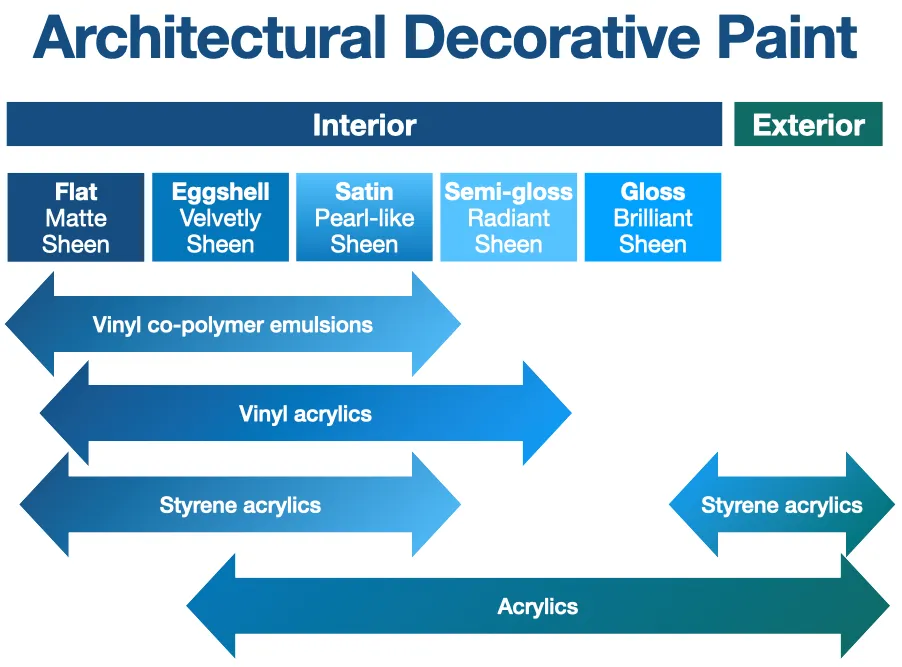
A Schematic View of Architectural Decorative Paint Segments and Polymer Emulsion Types Used
Paper and Paperboard Coatings
The second biggest segment for the application of emulsion polymers is the coating of paper and paperboard. The formulations are similar to matte paints – high in filler content and pigment. But the processes of application and the technical requirements the coatings have to perform against are completely different.
In general, a paper coat smoothens the fibers of the paper and gives a glossy or matte surface. It also contributes to the behavior of the paper or cardboard during further processing, for example, the brightness and sharpness of printing.
The market is primarily served by Styrene-butadienes, which account for more than 70% of the used emulsion polymers. The remainder volume goes in its majority to Acrylics, of which Styrene-acrylics play the most important role.
In the last decade, innovative VAE-based polymer emulsions were developed which take a share from the above-mentioned Styrene or Acrylics-based products, based on their favorable combination of price and performance.
Industrial Coatings
This third major type of coating application is another field dominated by pure Acrylic emulsions based on their high durability and general performance profile. Opposite to the other two sub-segments of coating applications, in this case, the polymer emulsions do not compete mainly in-kind, but with systems based on different polymer types:
- Alkyd-, Polyurethane- or Epoxy-based systems, and
- Powder coatings
#3 Other Applications
There are many other markets served by polymer emulsions, mainly special applications in niches, such as:
- Textile finishing formulations
- Latex gloves
- Leather finishing, and
- Printing inks are the biggest amongst them.
Textile
Emulsion polymers find a wide variety of uses in the processing and finishing of fabrics. Some examples include:
- Apparels
- Upholstery and furniture fabrics
- Fabrics for louver and window blinds
Key functions include:
- Sizing
- Stiffening
- Hand building, and
- Semi-permanent finishing
Polymer emulsions used in the textile finishing industry must offer excellent durability and resistance to water and detergents, given the need to withstand laundering and dry cleaning.
Latex Gloves
Emulsion polymers, particularly Acrylonitrile latexes, have seen robust growth in demand in recent years as alternatives to natural rubber in latex gloves.
Nitrile latex gloves for medical and light industrial applications have a number of advantages over natural rubber, including:
- Improved protection against solvents and static electricity
- Superior puncture and abrasion resistance
- Elimination of allergy concerns
Leather Finishing
Leather finishing was one of the first commercial markets for emulsion polymers, dated back to the 1930s. Water-based polymer binders are used in leather finishing to provide a number of useful characteristics, including:
- Moisture and abrasion resistance
- Texture
- Flexibility, and
- Durability
Pure Acrylics and Acrylic copolymers are the most widely used emulsion polymers in leather finishing, competing with non-in-kind systems, such as polyurethane dispersions.
The matrix in the table below provides an initial selection guide, of which polymer emulsion type should be chosen for which application.
| Application / Polymer Type | Styrene-Butadiene | Styrene-Acrylics | Acrylics | Vinyl acrylics | Vinyl acetates | Vinyl copolymers / VAE |
| Architectural Paints | Χ | Χ | Χ | Χ | ||
| Paper and Paperboard Coatings | Χ | Χ | ||||
| Industrial Paints | Χ | |||||
| Paper and Packaging Adhesives | Χ | Χ | ||||
| Tape and Labels | Χ | Χ | Χ | |||
| Carpet backings | Χ | Χ | Χ | |||
| Engineered Fabrics | Χ | |||||
| Flooring Adhesives | Χ | Χ | Χ | |||
| Chalks and Sealing Adhesive | Χ | Χ | Χ | |||
| Polymer-enforced dry mix | Χ |
Matrix Polymer Type and Applications
- Fletcher: http://www.chemeurope.com/en/whitepapers/61207/
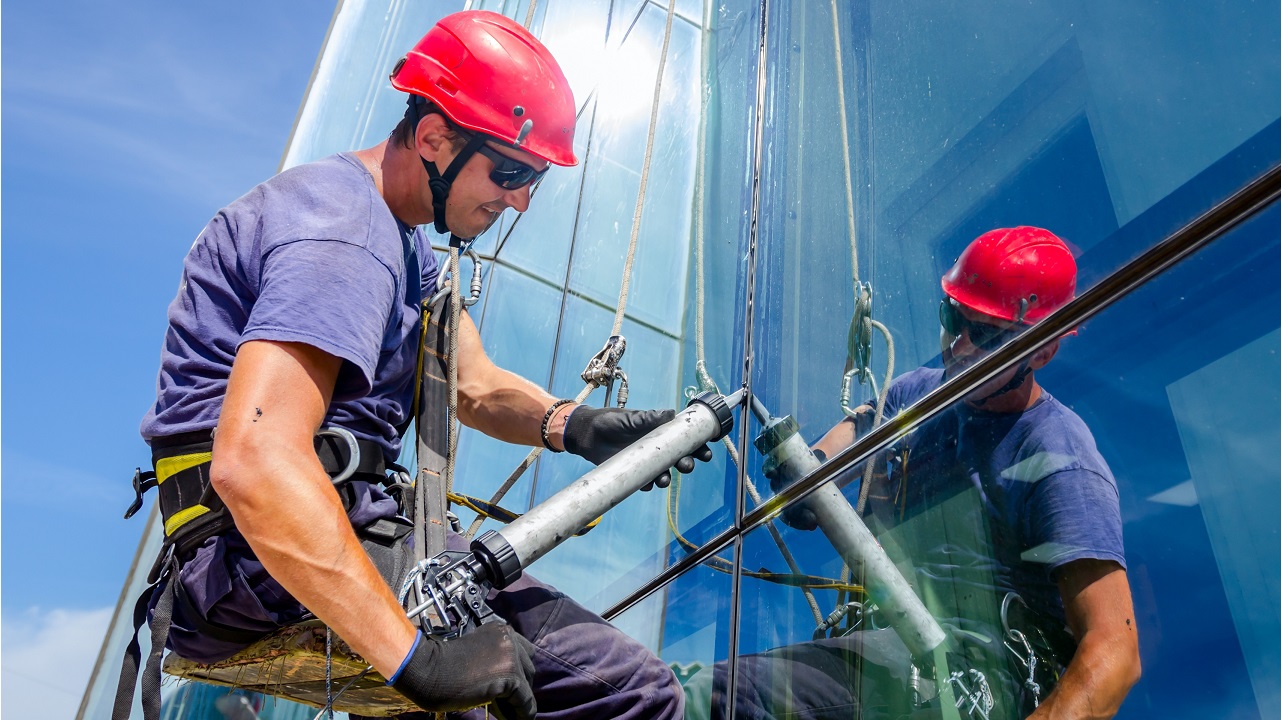
Emulsion polymers are very versatile products and therefore they are used in housing and construction industry
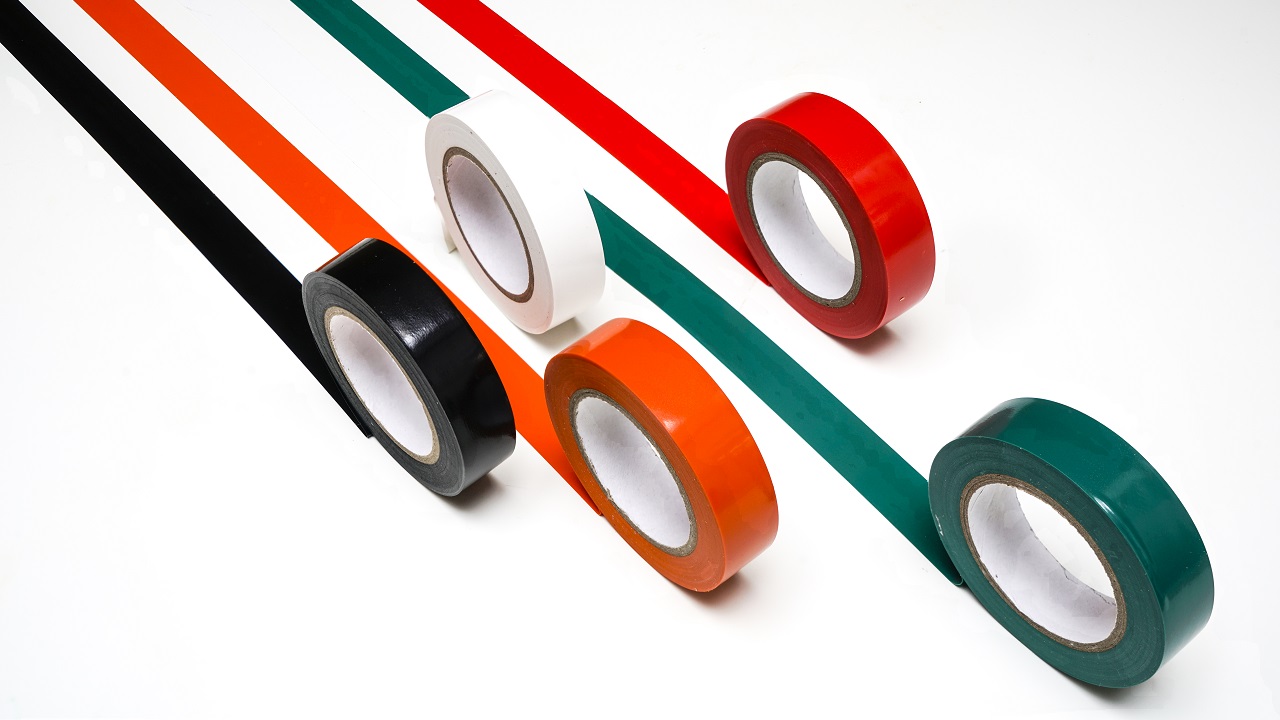
Mainly acrylic-based polymer emulsions are used in Pressure-sensitive applications like tapes and labels
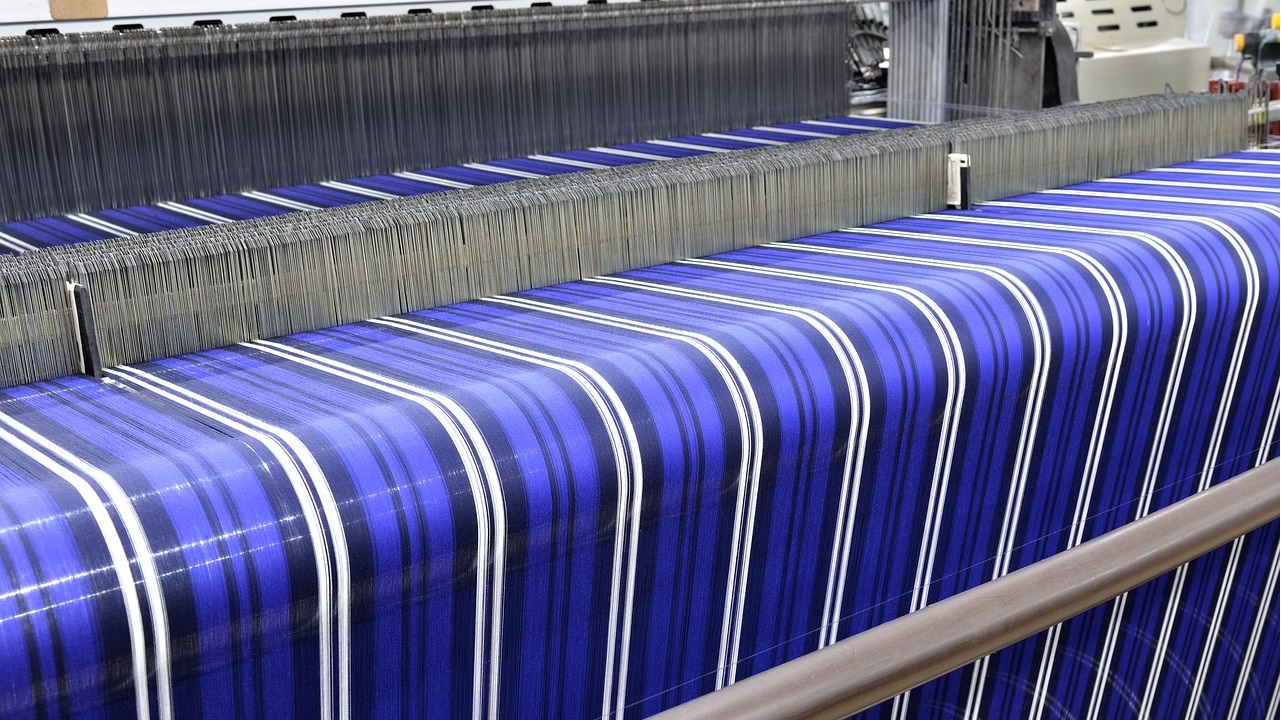
Emulsion polymers find a wide variety of uses in the processing and finishing of fabrics