

How Master Bond helps to select the best epoxy adhesives for medical devices
Last update on Jan 22, 2025
This is a sponsored article by Master Bond.
For professionals in the plastics industry, adhesives play a critical role in the assembly and manufacturing of medical devices. These specialized adhesives are designed to meet stringent requirements, ensuring the reliable assembly and durability of products ranging from basic diagnostic tools to intricate surgical instruments and implantable devices.
They adhere strictly to the highest norms of biocompatibility, robustness, and durability, which are essential for maintaining the effectiveness of medical devices. Additionally, these adhesives are engineered to withstand various sterilization methods and are compatible with a diverse range of plastics commonly used in medical device manufacturing.
As the medical technology landscape evolves, these adhesives are at the forefront, driving innovations that bolster device reliability and functionality. This continuous advancement supports the plastics industry's role in developing and refining medical devices that are safer, more effective, and more reliable than ever.
In this article, you will understand how biocompatible epoxy adhesives offered by align with the stringent demands of medical device manufacturing. Thus, you will be able to make a better choice of adhesives that can optimize both performance and compliance in your medical plastics.
Key considerations for medical adhesives
When selecting epoxy-based adhesives for medical applications, several key considerations ensure their suitability and effectiveness in medical device manufacturing:
- Biocompatibility: The adhesive must be non-toxic and safe for use in or on the human body. This is critical for patient safety, particularly for devices that come into direct contact with tissue or are implanted.
- Cure conditions: The temperature and time required to cure the epoxy must be compatible with the other materials used in the device. Some epoxies require heat to cure, which could damage sensitive components.
- Viscosity: The flow characteristics of the adhesive are important for the application process. It should be easy to apply but not so fluid that it flows into unwanted areas.
- Mechanical properties: The adhesive must have the strength to withstand the stresses it will encounter during the device's lifespan. This includes tensile strength, shear strength, and peel strength.
- Chemical and environmental resistance: Resistance to chemicals, moisture, and other environmental factors is crucial, especially if the device needs to withstand sterilization processes like autoclaving, radiation, or exposure to harsh chemicals.
- Thermal properties: Epoxy adhesives should have a thermal expansion coefficient like the materials they are bonding, and they must be able to withstand the operational temperatures of the medical device without degrading.
- Durability and aging: The adhesive should maintain its mechanical properties over the expected lifetime of the medical device without significant degradation.
- Regulatory compliance: The epoxy adhesive must comply with regulatory standards specific to medical devices, such as those set by the FDA or ISO, which may dictate the types of tests and certifications needed.
- Compatibility with manufacturing processes: The adhesive should fit seamlessly into existing manufacturing processes without requiring significant changes or causing delays.
Selecting the right epoxy-based adhesive requires a thorough understanding of these factors to ensure that the medical device performs safely and effectively throughout its intended use.
How to select the ideal medical adhesive
Choosing the right adhesive for medical applications often involves balancing conflicting requirements for end-use and manufacturing processes. Medical device engineers, who also navigate a stringent regulatory landscape, face certain challenges in this aspect. Like their counterparts in less regulated industries, these engineers must tackle tough application demands such as:
- high bond strength,
- thermal performance, and
- chemical resistance
Additionally, they need to ensure materials are biocompatible and capable of enduring aggressive sterilization processes. Not all adhesives meet these complex criteria, and the ones that do may not be the easiest to manage in a manufacturing setting. The challenge often lies in choosing an adhesive that not only works effectively within the system but also minimizes trade-offs between performance and manufacturability.
While finding the perfect medical adhesive may be difficult, answering the following questions could be a good initiative:
➤ Is the adhesive biocompatible?
➤ How will the medical device be used and sterilized?
With over 45 years of experience, Master Bond specializes in creating adhesives for medical devices. Discover their unique solutions and see how they might address your specific application challenges.
Common pitfalls in medical adhesive selection
When selecting medical adhesives, professionals in the plastics industry must carefully navigate several challenges to ensure optimal performance and compliance.
- A primary consideration is ensuring that the adhesive can withstand necessary sterilization processes, a crucial factor for maintaining device safety and effectiveness.
- It's also essential to ensure compatibility between the epoxy-based adhesive and the materials it bonds. Mismatches in properties like thermal expansion and moisture absorption can lead to failures under operational conditions.
- The manufacturing processes also play a critical role in adhesive selection. The chosen adhesive should work effectively within current production processes.
- Moreover, testing the adhesive under realistic conditions is vital to ensure it performs well in actual applications, not just under ideal laboratory conditions.
For the plastics industry, addressing these considerations is key to minimizing the risks of adhesive failure and ensuring the safety and functionality of medical devices.
Biocompatibility tests for medical adhesives
Different biocompatibility tests performed for medical adhesives are:
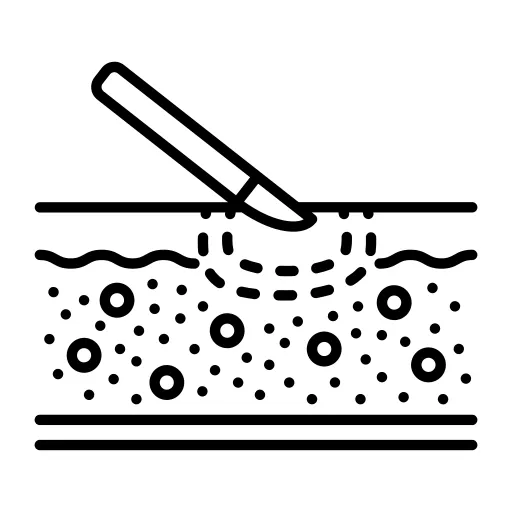
The Acute Systemic Toxicity (Systemic Injection) Test
Measures the toxicity and irritation when a sample of the compound is administered orally, applied to the skin, and inhaled.

The Intracutaneous Test
Measures toxicity and localized irritation (between the skin) when the sample is in contact with the tissue in question.
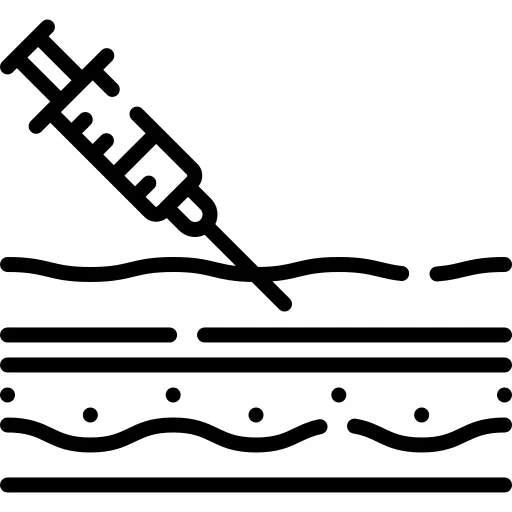
The Implantation Test
Measures toxicity, infection, and irritation of an intramuscular implantation of the compound into a test specimen over several days.
When selecting adhesives for medical devices, it's crucial to understand both the device's nature and the adhesive's location. These compounds must be non-leaching and highly biocompatible, especially if they come into contact with skin or body tissues.
For biocompatibility testing, two main standards are used:
- USP Class VI: It involves in-vivo tests and is considered one of the strictest standards, ensuring the adhesive does not cause adverse reactions.
- ISO 10993-5: It is the standard for cytotoxicity through in-vitro methods, assessing the adhesive's safety when in contact with the skin.
These tests are pass/fail, meaning the adhesive either fully meets the biocompatibility standards or does not, guiding manufacturers in ensuring the safety and compliance of their medical devices.

List of Master Bond Compatible Systems
Key grades of medical application adhesives and their primary uses
| EP42HT-2Med |
EP42HT-2Med is extensively used in the production and repair of endoscopes, catheters, surgical instruments, diagnostic equipment, and numerous other medical devices.  Key features: |
| UV17Med |
UV17Med is a single-component, UV-curable adhesive specifically designed to achieve excellent adhesion to various thermoplastic polyurethanes (TPUs).  Key features: |
| EP62-1Med |
EP62-1Med is designed for use in medical devices that undergo repeated sterilizations, such as autoclaving, chemical sterilants, and radiation.  Key features: 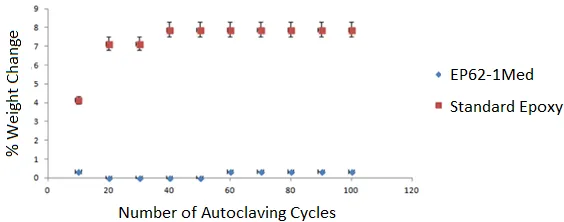
|
| EP3HTMed |
EP3HTMed is designed to cure quickly at high temperatures and offers robust resistance to numerous cycles of radiation, EtO, autoclaving, and chemical sterilants.  Key features: |
| EP21LVMed |
EP21LVMed medical grade epoxy resin system features easy application, requiring only contact pressure during curing. 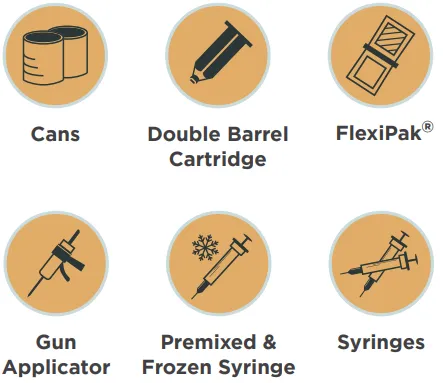 Key features: |
| EP30Med |
EP30Med is a two-component, low-viscosity epoxy resin system designed for high-performance bonding, sealing, coating, and encapsulating. 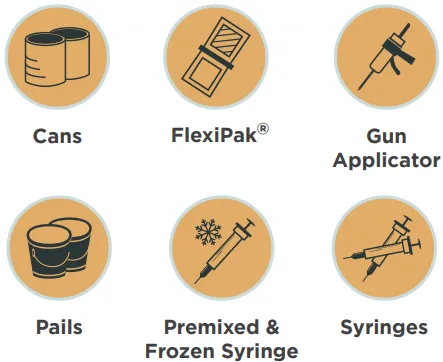 Key features: |
| LED405Med |
LED405Med is a single-component, LED-curing adhesive designed specifically for medical device assembly. 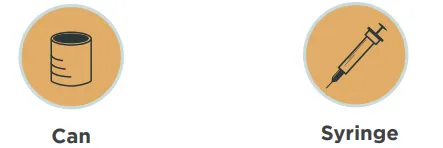 Key features: |
| EP41S-5Med |
EP41S-5Med is a dual-component epoxy system designed for bonding, sealing, and coating applications in medical devices. 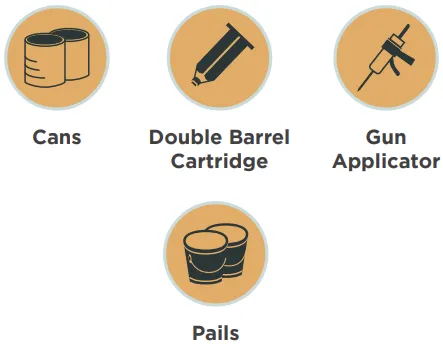 Key features: |
| EP21TDCSMed |
EP21TDCSMed is a dual-component, silver-filled, electrically conductive epoxy suitable for bonding, sealing, and coating applications.  Key features: |
| MasterSil 153Med |
MasterSil 153Med is a two-component silicone featuring a paste-like consistency and an easy one-to-one mix ratio by weight.  Key features: |
| MB297Med |
MB297Med is often known as an instant adhesive or super glue, it cures extremely quickly, with the rate of curing influenced by humidity — the higher the humidity, the faster the cure.  Key features: |
Conclusion
In medical device manufacturing, adhesives play a pivotal role in ensuring the reliability and functionality of the final products. Custom-engineered adhesives are particularly valuable as they allow for the precise alignment of adhesive properties with the specific functional requirements of medical devices.
By tailoring adhesives to match these needs, manufacturers can achieve optimal results, enhancing device performance and durability while meeting stringent medical standards. This strategic approach to adhesive selection not only maximizes device efficacy but also streamlines manufacturing processes, contributing significantly to the advancement of medical technologies.
Steer clear of typical errors – Contact Master Bond Specialists
One common oversight among engineers in the plastics industry is considering the adhesive selection late in the design process. Master Bond technical service engineers often receive calls where the engineer has selected the perfect material to meet their device's functional requirements, but this choice has significantly limited their options for effective bonding.
The key lesson here is not to avoid materials that are challenging to bond. In many cases, these materials are indeed the optimal choice for specific applications. Rather, the focus should be on assessing both materials and adhesives as a cohesive system from the early stages of the design process. This approach opens a broader range of bonding possibilities, ensuring both material and adhesive work in harmony to meet the intended specifications.
Want to explore further? — Contact the Master Bond team
DISCLAIMER: All images, tables, and graphs used in this article are copyright of Master Bond.