

Plasticizers: How to select the right grade for plastics?
Last update on Dec 15, 2025
Plasticizers are the most widely used additives in the plastics industry. Designed to improve polymer properties such as flexibility, durability, and processability. They are generally available as non-volatile, colorless liquids.
With more than 1,800 commercial plasticizers, 220+ suppliers, and 210+ brands available on our platform, choosing the right one can be daunting. Our Master Catalog makes this easier - you can compare grades, request samples, and download technical datasheets all in one place.
In this guide, you'll learn about various plasticizer chemistries, their features and uses. Also, understand which plasticizers are under regulatory scrutiny and how to select alternative options for your application.
What are plasticizers?
Plasticizers are non-volatile organic substances (mainly liquids) added into a plastic or elastomer. They are also usually cheaper than other additives. They improve the following properties of the polymers:
- Flexibility: Makes the product softer
- Extensibility: Do not break easily at cold temperatures
- Processability: Becomes easier and possible to process
Plasticizers increase the flow and thermoplasticity of a polymer. This is done by decreasing the viscosity of the polymer melt, Tg, Tm, and elastic modulus of the finished product. During this process, the fundamental chemical character of the plasticized material remains unaltered.
Plasticizers are most often used in Polyvinyl chloride. PVC plastic is the third largest polymer by volume after PP and PE. Unplasticized PVC (or rigid PVC) is used in pipes, siding, and window profiles. Whereas plasticized PVC (or flexible PVC) is used in automotive interior trim, cables, PVC films, flooring, roofing, wall coverings, etc.

Methods of plasticization
Plasticization is the process of making the final plastic product more flexible. By incorporating the right type and amount of plasticizer you can tweak your formulation. Hence, selecting the right plasticizer for a specific application is very critical to make the product softer. Plasticization can occur both internally and externally. Below is a pictorial representation of the types of plasticization.

Internal plasticization
A polymer can be internally plasticized by chemically modifying the polymer or monomer. This increases flexibility. It involves copolymerization of the monomers of the desired polymer (having high Tg) and that of the plasticizer (having low Tg) so that the plasticizer is an integral part of the polymer chain. The most used internal plasticizer monomers are:
- Vinyl acetate
- Vinylidene chloride
Also, the complexity of the reaction can lead to longer reaction times and increased costs. Internally plasticized materials show temperature dependence and dimensional instability at high temperatures.
External plasticization
This is the most commonly used method of plasticization. This is because low-cost liquid plasticizers give the formulator freedom in developing formulations. They range from semi-rigid to highly flexible depending on the quantity). Examples include esters formed from the reaction of acids or acid anhydrides with alcohols. There are two main groups of external plasticizers:
- A primary plasticizer enhances elongation, softness and flexibility of polymer. They are highly compatible with polymers and can be added in large quantities. For example: up to 50% of vinyl gloves are made up of plasticizers, which make the PVC flexible and soft enough to wear.
A secondary plasticizer is one that typically cannot be used as the sole plasticizer in a plasticized polymer. Secondary plasticizers may have limited compatibility with the polymer and/or high volatility. They may or may not contain functional groups which allow them to solvate the polymer at processing temperatures. Secondary plasticizers are variously used for:
- Cost reduction
- Viscosity reduction
- Solvency enhancement
- Surface lubricity augmentation, and
- Low temperature property improvement
Extenders are a subset of secondary plasticizers. They are commonly employed with primary plasticizers to reduce costs in general purpose flexible PVC. They are mostly low-cost oils having limited compatibility in PVC. They are added to reduce cost and, in some cases, to improve fire resistance. Examples of extenders include:
- Naphthenic hydrocarbons
- Aliphatic hydrocarbons
- Chlorinated paraffins (fire resistance), and others
Ways to process plasticizers
Suspension PVC (S-PVC) process is the common method of manufacturing PVC. The PVC is obtained in the form of particles with sizes 50-200 microns. These particles are mixed with plasticizers & can be extruded in pellets. They are further used for processing via extrusion, calendaring, and injection molding. The processing equipment for this process is typically very expensive. It provides lower flexible PVC formula costs.
The incorporation of an external plasticizer in PVC polymer enhances its flexibility. Five distinct steps involved while adding plasticizers include:
STEP 1: Plasticizer is mixed with resin
STEP 2: Plasticizer penetrates and swells the resin particles
STEP 3: Polar groups in the PVC resin are freed from each other
STEP 4: Plasticizer polar groups interact with the polar groups on the PVC chain
STEP 5: PVC structure is re-established upon cooling with full retention of plasticizer
Loss of plasticizers/plasticizer exudation
The incompatibility between polymer and plasticizer can cause exudation. Several factors can lead to the migration of plasticizers including:
- Temperature
- Humidity
- Mechanical stress, and
- Weathering
The migration can happen out of plastic's surface, into or onto a substrate to which it is held in intimate contact. The loss of plasticizer can lead to less flexibility, embrittlement, and cracking.
Plasticizer types
Plasticizers are classified based on their chemical composition. It is important to understand the influence of structural elements on the properties of plasticizers and their effect on base polymers. For example, the presence of elements like alcohols in a homologous series of phthalates and adipates.
Different plasticizers affect different physical and chemical properties. Thus, you need a particular plasticizer to change properties to meet end-user requirements.
Several chemical families of plasticizers are used for polymer modification. Among them, the most common are:
Phthalate plasticizers
Phthalates are produced by esterification of phthalic anhydride or phthalic acid. The precursors can be obtained by the oxidation of orthoxylene or naphthalene.
Route 1: Phthalic anhydride + 2 ROH → Phthalate ester + H₂O
Route 2: Phthalic acid + 2 ROH ⇌ Phthalate ester + 2 H₂O

Reaction of ortho-phthalic acid (L) to obtain orthophthalate (R)
The anhydride route is favored industrially because the anhydride is more reactive than the acid, requires less harsh conditions, and produces less water that needs removal.
Most commonly used phthalate plasticizers include:
- Di(2-ethylhexyl) phthalate (DEHP)
- Dibutyl phthalate (DBP)
- Diethyl phthalate (DEP)
All these types fall under the category "low molecular weight orthophthalates". DEHP remains the world's most widely used PVC plasticizer.
Phthalates appear colorless with a faint odor. They have limited solubility in water. But are miscible in many organic solvents (mineral oil etc.). Key benefits and limitations of phthalate plasticizers include:
| Benefits | Limitations |
|
|
Di-2-ethylhexyl-phthalate (DEHP)
Di-2-ethylhexyl-phthalate (DEHP) is a low molecular weight ortho-phthalate. It has a chemical formula of C6H4(C8H17COO)2. It is produced by the esterification of phthalic anhydride with 2-ethyl-hexanol. It is a non-volatile, colorless, and odorless viscous liquid, soluble in oil, but not in water. Due to its low cost and generally good performance, DEHP is widely employed as a plasticizer in manufacturing articles made of PVC.
Melting point: −50°C
Boiling point: 250 - 257°C at 0.5 kPa

Structure of DEHP
DEHP offers good gelling, satisfactory electrical properties and helps to produce highly elastic compounds with reasonable cold strength. It displays fairly good flexibility at low temperatures and some resistance to high temperature.
However, DEHP is listed by the IARC as a human carcinogen. DEHP has been implicated as a hormone mimicker and as a developmental toxin in certain studies. In the EU, DEHP is considered an SVHC (substance of very high concern) under REACH legislation. It cannot be used in most products. It extracts readily into non-polar solvents (oils and fats in foods packed in PVC). Therefore, the US Food and Drug Administration (FDA) permits the use of DEHP-containing packaging only for foods that predominantly consist of water.
DEHP is used in applications, such as:
- Manufacturing articles made of PVC, copolymers of vinyl chloride and vinyl acetate
- Medical devices like catheter, tubing, etc.
- In developing various formulations ranging from glassy compositions to soft and highly flexible materials
- Use is decreasing due to concern about its effects on human health, but DEHP is still the most widely used plasticizer in the world
DEHP has been progressively deselected for technical reasons such as loss of performance over time, regulation, etc. It is also substituted by terephthalate plasticizers, DINP and DIDP.
Dibutyl phthalate (DBP)
Dibutyl phthalate (DBP) is produced from n-butanol and isobutanol, respectively, which are the co products when 2-ethylhexanol is manufactured. It has a chemical formula of C16H22O4. It is colorless to faint yellow in appearance. DBP is typically used in blends with other plasticizers as a solvency booster in flexible PVC compounds which have a low processing temperature requirement.
- Melting point: −35°C (−31°F; 238 K)
- Boiling point: 340°C (644°F; 613 K)
- Flash point: 157°C (closed cup)

Structure of DBP
However, their low molecular weight makes them too volatile for most of the applications. It was found that the PVC glazing seals used as agricultural films gave off vapors of DBP. These were harmful to a certain variety of greenhouse crops.
Find out commercial grades of phthalate plasticizers available in our Master Catalog.
 |  |  |
Terephthalate plasticizers
Terephthalate esters, particularly di-2-ethylhexyl terephthalate, are the most popular replacements for DEHP. They are less compatible with PVC. But their low cost and long history as commercial plasticizers are their most attractive features. They are also called "high molecular weight orthophthalates". Common examples include: DINP and DIDP.
Dialkyl terephthalates with sidechains containing:
- More than 8 carbon atoms have limited compatibility with PVC.
- Fewer than 8 carbon atoms have volatility issues.
Diisononyl phthalate (DINP)
Diisononyl phthalate (DINP) is a high molecular weight ortho-phthalate. Its chemical formula is C26H42O4. It is produced by the esterification of phthalic anhydride with isononyl alcohol in a closed system. It is an almost colorless and odorless oily liquid. It is very slightly soluble in water. But soluble in alcohols, hexane, etc. It is miscible and compatible with all the monomeric plasticizers used in PVC compounding.
Melting point: −43°C (−45°F; 230 K)
Boiling point: 244-252°C at 0.7 kPa
Flash point: 221°C (c.c.)

Structure of DINP
Diisononyl phthalate offers flexibility and durability to vinyl products. It also provides good performance at both low and high temperatures. It is less volatile than DEHP. Its good solvency leads to good flexible PVC processing characteristics.
DINP plasticizers are employed extensively in indoor and outdoor applications. Being less volatile, it is found effective in applications where products are exposed to relatively high temperatures and need more resistance to degradation. DINP helps vinyl products in the following ways:
- It withstands many weather conditions.
- It makes them water resistant.
- It provides them with high thermal insulation and durability.
DINP is combined with PVC powder by flooring manufacturers to produce soft and flexible finished products.
Diisodecyl phthalate (DIDP)
Diisodecyl phthalate (DIDP) is a high molecular weight ortho-phthalate. Its chemical formula is C28H46O4. It is a blend of compounds derived from the esterification of phthalic acid and isomeric decyl alcohols. It is a clear, colorless, and odorless liquid. It is soluble in most organic solvents but insoluble in water. DIDP is widely used in wire and cable formulations. It also manufactures automotive interior trims. They are also suitable for coatings for furnishings, cookware, pharmaceutical pills, food wrappers, and many other items.
- Melting point: −50°C
- Boiling point: 250–257°C at 0.5 kPa

Structure of DIDP
DIDP plasticizer increases the flexibility of the plastic/ plastic coating. They are more permanent (less volatile, less water extractable) than DINP. Its good heat stability and electric insulation make it a preferred choice for:
- heat-resistant electrical cords,
- car interiors, and
- PVC flooring.
However, the branched alkyl chain structure of DIDP makes it susceptible to oxidation at higher temperatures which may lead to PVC degradation. It has a lower plasticizing efficiency than DOP. It needs to be used in higher concentrations to give an ideal plasticizing effect.
Find out commercial grades of terephthalate plasticizers available on our platform.
 |  |  |
Other phthalates
Note that isoalkyl phthalates (e.g., DIOP, DIUP, DTDP) do not have a methyl branch on the penultimate carbon of the alkyl chain. For alkyl groups containing 6 or more carbons the 'iso' prefix, by convention, simply means 'branched'.
See structures in the following table.
| Other Phthalate Plasticizers Used in Polymers |
 Butyl Benzyl Phthalate (C19H20O4) |
 Diisoheptyl phthalate (DIHP, C22H34O4) |
 Dihexyl phthalate (DHP, C6H4(COOC6H13)2) |
 Diisooctyl phthalate(DIOP, C24H38O4) |
 Di-iso-undecyl phthalate (DIUP) |
 Dimethyl phthalate (DMP, C10H10O4) |
 Diisotridecyl phthalate (DTDP, C34H58O4) |
Non-phthalate plasticizers (DOTP, DINCH, benzoates)
DOTP
Dioctyl Terephthalate (DOTP) is a non-phthalate plasticizer. It is made from terephthalic acid and 2-ethylhexanol. Used to improve the flexibility, durability, and performance of polyvinyl chloride.
Its molecular structure provides excellent thermal stability, low volatility, and resistance to migration. The following are key properties of DOTP:
- Low Volatility: Ensures stability over time in PVC products.
- Excellent Durability: Resists degradation even in high-temperature environments.
- Eco-friendly: Free from phthalates, making it safer for humans and the environment.
DOTP is widely used in a variety of industries, offering specific benefits in each sector. Its versatility makes it suitable for automotive, construction, consumer goods, and medical industries.

Dioctyl Terephthalate (DOTP, DEHT) Plasticizer Molecule
Ring saturated variants of phthalate esters (e.g. DINCH)
Plasticizers like DINCH (di-isononyl ester of cyclohexane-1,2-dioc acid) look like phthalates. They do not have any (proven) adverse effects on human health.
- They have relatively low solvating strength for PVC.
- Their compatibility with PVC is defensive to that of their phthalate analogs.
Higher MW versions of ring-saturated dialkyl phthalates are increasingly incompatible with PVC.
Benzoates
Benzoate and dibenzoate esters are highly solvating plasticizers for PVC. Because of their high volatility, monobenzoates are typically used only as:
- solvency boosting or
- viscosity depressing additives in flexible PVC.
Dibenzoate plasticizers are valued primarily for their strong solvency. But they are defensive against phthalate plasticizers. This is because of reduced low-temperature flexibility and poor plastisol viscosity characteristics. Both plasticizers are often used in blends with other plasticizers.
Benzoates also act as processing aids. They offer optimum performance in PVC and other thermoplastic polymers. Many applications use benzoates as part of a plasticizer blend. This is done to diminish the challenges faced during processing.
They display:
- good UV stability,
- excellent stain resistance,
- good oil extraction resistance as well as
- high solvating power.
Low molecular weight gives these plasticizers processing advantages by lowering the processing temperatures. However, benzoates are highly volatile in nature. There are many unique chemistries with differentiated performance. Benzoates (especially dibenzoates) are used in some flexible PVC flooring (resilient flooring).
Biobased plasticizers
As we shift to sustainable ingredients, bio-based plasticizers continue to gain further importance. They can be used as a phthalate alternative. They also lower our dependence on fossil fuel-based feedstock. The common feedstock for this class of plasticizers is mentioned below.
As the name says, biobased plasticizers are majorly based on:
- Epoxidized soybean oil (ESBO)
- Epoxidized linseed oil (ELO)
- Castor oil
- Palm oil
- Other Vegetable oils
- Starches
- Sugars (including isosorbide esters)
- others
Few more plasticizers are based on renewably sourced isosorbides and alkanoic acids. Isosorbide diesters are a non-toxic alternative to phthalates. They offer promising properties to PVC.
Being naturally/renewable sourced, bio-based plasticizers are sometimes easily approved for:
- food contact and medical applications
- toys and teething products for infants
- wire insulation & jacketing
- household & consumer goods
- flooring and carpet backing
- other building & construction end-use applications
Vegetable oil derivatives
Below mentioned are benefits of vegetable oil derivatives – epoxides. Chemically, epoxy plasticizers are esters which contain one or more epoxidized double bonds. Examples include epoxidized soybean oil (ESBO) and epoxidized linseed oil (ELO). Oxidation of an olefinic double bond to an oxirane structure leads to the formation of epoxy groups. The presence of an epoxy group helps these plasticizers to improve heat stability of the manufactured PVC articles. At higher concentrations epoxy plasticizers sometimes develop incompatibility with PVC.

Vegetable oil derivatives are the most widely used natural product type plasticizers. Products consisting of triglyceride esters of unsaturated fatty acids (e.g., soybean oil, linseed oil) in which the double bonds in the fatty acid residues have typically been epoxidized have been commercial products for decades. Drawbacks include low solvating strength, high viscosities, and poor low-temperature properties.
Other vegetable oil derivatives (e.g., monoesters made from vegetable oil-derived fatty acids or acetylated monoglycerides derived from vegetable oils) may have:
- better solvency
- compatibility
- low-temperature properties
- high volatility
Citrates
Citrate esters are used in many f-PVC toys. They are valued because:
- They are 'natural' products that may have partial to high bio-based content. This depends on how they are made.
- They are non-toxic and provide heat and light stability.
- They have some direct and indirect food additive clearances in PVC.
- They offer good performance and excellent flexibility at low temperatures.
However, citrate plasticizers are highly volatile and a significant amount is lost due to this property. Citrates lack permanency. Hence, they are not employed in resilient applications like cables, flooring, or roofing. They induce more fogging in film applications.
Citrates/Citric acid esters are used to plasticize vinyl resins in toys, medical devices, and pacifiers for infants. Being FDA-approved, citrates find uses in food packaging film applications and pharmaceutical preparations. They are compatible with polymers like PVC, PVA, PVB, and polypropylene. Esters of citric acid are also used as foam inhibitors.
Specialty plasticizers
Trimellitates
Trimellitic anhydride (TMA) is a tri-carboxylic acid. It is similar in structure to phthalic anhydride or acid. Trimellitate esters are used primarily because of their:
- low volatility and
- high permanence
Commercial trimellitic anhydride is a starting material for trimellitate manufacture. It contains very small amount of phthalic anhydride. So, trimellitate plasticizers are not 'phthalate alternatives'. Hence, they can't be judged as phthalate-free plasticizers. This is because traces of phthalates have been found in them.
These plasticizers have better extraction resistance and good processability when compared to phthalates. Trimellitates are employed in PVC compounds like:
- high-temperature-rated wire insulation,
- gaskets, and
- some parts for automobile interiors.
Polymeric plasticizers
Polymeric plasticizers are typically made from aliphatic dibasic acids such as adipic acid and diols. They are primarily valued for their permanence. These plasticizers are generally classified as polyesters, not adipates.
- Many have low solvency for PVC and high viscosity. Both these factors can make processing f-PVC compounds difficult.
- Many have poor low-temperature properties and may be sensitive to moisture.
Adipates
In PVC applications, adipates offer enhanced low-temperature properties. This is in comparison to phthalates of similar alkyl chain length. They are more volatile and exhibit poorer fusion and compatibility with PVC. This means they possess higher migration rates.
- They are expensive relative to some other alternative plasticizers.
- Generally used in blends with higher phthalates to deliver optimum plasticizing properties.
Alkyl sulfonic acid esters
Alkyl sulfonic acid esters are valued for their chemical and hydrolysis resistance. They are promoted as general-purpose plasticizers. There are relatively few manufacturers of these products.
Aliphatic dibasic acid esters
Aliphatic dibasic acid esters are primarily used for good low-temperature properties. They impart these properties to flexible PVC compounds. They are very efficient plasticizers and many are effective plastisol viscosity depressants. Some may have bio-based content. Drawbacks are their relatively poor compatibility with PVC and relatively low solvating strength.
In this category, the most commonly used plasticizers are:
- Di-2-ethylhexyl sebacate (DOS)
- Di-2-ethylhexyl azelate (DOZ)
- Di-isodecyl sebacate (DIDS)
Polyol-carboxylic acid esters
Polyol-carboxylic acid esters have moderately high cost. They have a good compatibility with PVC, low temperature flexibility, high temperature service, and plasticizer solvency. They exhibit fair to poor low plastisol viscosity. Drawbacks are their relatively poor flame retardancy and solvent extraction resistance.
Chlorinated paraffins
Chlorinated paraffins are obtained by the chlorination of hydrocarbons. They consist of 30-70% chlorine. They act as flame retardants due to the presence of chlorine.
- They have low volatility.
- They offer high chemical stability and moisture resistance.
- They are thermally unstable. This limits their applications to processing temperatures (within 175°C).
Therefore, for higher processing temperatures, the addition of other stabilizers is required. Higher the chlorine content, weaker the plasticizing effect of chlorinated paraffin for PVC.
Phosphates
Phosphate ester plasticizers are used primarily to impart flame retardancy to f-PVC. Some phosphate plasticizers are also used to improve UV light (outdoor weatherability). They are not typically used as primary plasticizers for PVC.
Triaryl and alkyl diaryl phosphates are the most important category of flame-retardant phosphate plasticizers used with PVC. They specifically achieve flame retardancy and/or low smoke generation. Phosphates are primary plasticizers for PVC. They can be utilized as sole plasticizers or in a cost-optimized blend.
- Triaryl phosphates show excellent flame retardancy with low volatility. However, they have poorer low-temperature flexibility.
- Alkyl diaryl phosphate esters have good low-temperature flexibility. But are more volatile and offer poorer flame retardancy than the triaryl esters.
Some phosphates have cited approval in food and medical device regulations.
Already know which plasticizer you need? Select from commercial grades below to easily compare and request samples.
TIP: Finding the perfect plasticizer grade? Use our advanced filters to narrow your search. Start by selecting your plasticizer type from the "Chemical family" filter. Then refine further using any additional filters you need. Search smarter not harder!
Phthalates under scrutiny: Why safer alternatives matter
Phthalates have been used in flexible PVC applications since 1930s. These plasticizers are inexpensive and effective. Concerns began emerging in the 1970s when scientists discovered that phthalates readily migrate from plastics into the environment. However, early research on reproductive effects in animals drew little public attention.1
In the early 1990s, studies revealed that endocrine-disrupting chemicals (EDCs) disturb the physiological role of hormones in the body. Phthalates, in concentrations detected in human biological fluids, have been suggested to be causally linked with increased incidence of abnormalities detected in the male and female reproductive systems.2
Phthalates like DEHP impact the metabolome and neurodevelopment of infants.3 DINP was also found in other articles for / in contact with children (clothes, mittens, coverage of pacifiers, PVC-containing soap packaging and shower mats).4
Due to these adverse effects, regulatory restrictions on the use of phthalates began with the search for better alternatives.
Regulatory restrictions on the use of phthalates
2001-2006: DINP and DIDP Are Safe for Use in Current Applications
The risk assessment results show that DINP and DIDP pose no risk to human health or the environment in any of their current applications.
2012: Australia Risk Assessment Confirms DIDP & DINP Safe for Toys
The Australian Government Department of Health and Aging reported the following. The current exposures to DINP do not indicate a health concern for children even at the highest exposure levels. These exposures have no restrictions on the use of DINP in toys and child-care articles.4
2013: EC Confirms Safe Use of DINP and DIDP in all current consumer applications
The European Commission (EC) has re-evaluated the restriction on plasticizers DINP and DIDP. They concluded that5:
- No unacceptable risk has been characterized for the uses of DINP and DIDP in articles that can be placed in the mouth.
- The evaluation of potential substitutes has been less pertinent due to the absence of any further risks from the uses of DINP and DIDP.
2014: US CHAP Lifted Ban on DIDP, DNOP and Prohibits >0.1% level of DINP in Child Care Products
U.S. Consumer Product Safety Commission (CPSC) established a Chronic Hazard Advisory Panel (CHAP). This panel studies and reviews the potential adverse effects of phthalates used in child care articles on children's health. This was done under section 108 of the Consumer Product Safety Improvement Act of 2008:
- Three types of phthalates (DEHP, DBP, BBP) are banned permanently in any amount greater than 0.1% in children's toys and certain child care articles.
- Three additional types of phthalates (DINP, DIDP, DNOP) were banned on an interim basis in any amount greater than 0.1%.
CHAP provided its report and recommended the following actions:
- Permanent ban on DBP, BBP, and DEHP remains unchanged. Additionally, DIBP, DPENP, DHEXP, and DCHP at levels greater than 0.1% are to be added to the existing permanently prohibited list.
- Interim Ban on DINP at levels greater than 0.1% in children's toys and child-care articles to be made permanent.
- Current bans on DNOP and DIDP be lifted
- Use DIOP on an interim basis until sufficient data are available. This was done to determine whether a permanent restriction is necessary.
- No action on DMP, DEP, and DPHP at this time but it did encourage appropriate agencies to gather necessary exposure and hazard data. This was done to estimate total exposure to the phthalate alternatives and assess the potential health risks.
There were also efforts early in the Obama administration to further regulate phthalates. This took place under the authority of legislation passed in 1976, the Toxic Substances Control Act (See TSCA sec 5b). However, this was never done.
2017: Danish EPA Proposal on DINP
Following the fourth re-submission in two years, the Danish EPA dossier proposed the classification of DINP as a reproductive agent. It was accepted by ECHA and the public consultation was initiated in April 2017. Through extensive prior testing, regulatory evaluations, and peer-reviewed published scientific reviews the scientific data does not support this classification proposal.
2018: ECHA RAC Concludes DINP Requires No Classification
ECHA's Risk Assessment Committee (RAC) has concluded that Di-isononyl phthalate (DINP) does not warrant classification for reprotoxic effects under the EU's Classification, Labelling and Packaging (CLP) regulation.6
RAC undertook a stringent hazard assessment following the rules of the CLP regulation, with the conclusion that, given the lack of evidence of adverse effects, classification is not required. Amongst prior regulatory assessments, the ECHA evaluation of new scientific evidence, endorsed by the European Commission in 2014, concluded that DINP can be safely used in all current applications. All relevant data are included in the DINP REACH registration dossiers, which were updated in 2015 and 2016.6
Criteria for phthalate replacement
The choice of phthalate replacement is usually based on several criteria like:
- Cost
- Expected exposure conditions of finished product during its service life. These include compatibility, outdoor weatherability, low-temperature flexibility, etc.
- Processing condition limitations like low processing temperatures or high processing rates
The type of plasticizers which can be used to overcome these issues are listed below.
| Criteria for Phthalate Replacement | Examples of Alternative Plasticizers |
| Cost |
|
| Compatibility |
|
| Outdoor weatherability |
|
| Low temperature flexibility |
|
| Plasticizer solvency |
|
| Flame retardancy |
|
| High temperature service |
|
| Low plastisol viscosity |
|
| Solvent extraction resistance | |
| Hydrolysis resistance |
|
Comparing different alternative plasticizers
| Property | Terephthalates | Adipates | Benzoates | Citrates | Phosphate | Trimellitates |
| Cost | Low | Moderately high | Moderate | Fair | High | Moderately High |
| Compatibility with the PVC polymer | Fair | Fair to Good | Good | Fair to Poor | Good | Good |
| Outdoor weatherability | Fair | Fair to Poor | Poor to Good | Fair to Good | Fair to Good | Fair to Good |
| Low temperature flexibility | Good | Good | Poor to Good | Fair to Good | Poor to Fair | Fair to Good |
| Plasticizer solvency | Fair to Good | Fair | Excellent | Fair | Good | Fair |
| Bio-based content | Typically none | None | Typically none | None to High | None | Typically none |
| Flame retardancy | Poor | Poor | Poor | Poor | Good | Poor |
| High temperature service | Fair | Fair to Poor | - | Poor to Fair | Fair | Excellent |
| Low plastisol viscosity | Good | Good | Poor to Good | Poor to Fair | Good | Poor |
| Solvent extraction resistance | Poor | Fair to Good | Poor to Fair | Fair | Poor | Fair |
| Hydrolysis resistance | Fair | Fair | Fair | Poor to Fair | Fair | Fair |
| Property | Ring Saturated Phthalate Esers | Alkyl Sulfonic Acid Esters | Aliphatic Dibasic Acid Esters | Polyol-Carboxylic Acid Esters | Polymeric Plasticizers | Biobased Plasticizers |
| Cost | Moderate | Moderate | Moderate | Moderately High | High | Moderate to Very High |
| Compatibility with the PVC polymer | Fair | Good | Fair | Good | Good | Fair to Good |
| Outdoor weatherability | Fair | Good | Poor to Fair | - | Fair to Poor | Fair |
| Low temperature flexibility | Good | Fair | Excellent | Good | Fair to Poor | Poor (triglyceride esters of fatty acids) to Good |
| Plasticizer solvency | Fair | Good | Fair | Good | Fair | Poor (triglyceride esters of fatty acids) to Good |
| Bio-based content | None | Typically None | Typically None | - | Typically None | Typically High |
| Flame retardancy | Poor | Poor | Poor | Poor | Poor | Poor |
| High temperature service | Poor | Fair (DEHP like) | Poor | Fair to Good | Fair to Good | Good (triglycerides) |
| Low plastisol viscosity | Good | Good | Excellent | Fair to Poor | Poor | Poor (triglyceride esters of fatty acids) to Good |
| Solvent extraction resistance | Poor | Poor | Poor | Poor | Fair to Good | Poor |
| Hydrolysis resistance | Fair | Good | Fair | - | Fair to Good | Fair |
Points to Consider while Selecting Plasticizers
While selecting a general-purpose plasticizer for PVC, the main attributes to be checked are:
- Regulatory clearance – Safe for use and Safe in use
- Good compatibility
- Cost effective
- UV resistant
- Long service life and sustainable-favorable LCA
- High permanency thermally stable
Among them, regulation is an important decision factor while selecting plasticizers. In recent years, there has been a lot of discussion on phthalate plasticizers. But in fact, not all phthalates are prohibited. For example, the use of phthalate plasticizers in plasticized PVC is neither prohibited in the US (federal and state legislation) nor the EU in any plasticized PVC product.

We have already discussed recent regulatory status w.r.t phthalate plasticizers in child care articles. There are also federal regulations (not laws) for plasticizers.
- Only certain plasticizers are preapproved by the Food and Drug Administration for use in flexible PVC products used in various food contact applications (See USFDA Code of Federal Regulations Title 21, Part 177, Indirect Food Additives – Polymers)
- Likewise, flexible PVC medical devices may (and often do) contain phthalate plasticizers (flexible PVC I.V. tubing, blood bags and examination gloves most often contain DEHP) if the finished product meets certification requirements
California Proposition 65 listed
On a state level, certain phthalate plasticizers are California Proposition 65 listed. This listing means that a chemical 'is known by the State of California to cause cancer, birth defects or reproductive harm'.
- It does not prohibit the use of the listed chemical or items containing the chemical in the State of California.
- It does not create a labeling requirement for items containing the Proposition 65 listed chemical.
If it can be demonstrated that a flexible PVC product containing (Proposition 65 listed) DEHP plasticizer, for example, cannot expose a consumer to more than the maximum acceptable daily limit of DEHP (established by the state of California), no labeling is required in California.
Plasticizers in Europe
In the EU, there is a more systematic approach to chemical regulation. Under the REACH protocol for evaluating chemicals used in commerce, certain phthalates have been effectively banned from manufacture, importation, and usage. For example: DEHP -the world's most widely used plasticizer that has been banned. Certain other high-volume phthalates including DINP and DIDP have been fully approved for use in all their current applications.

Source: European Plasticizers7

Applications of plasticizers
Plasticizers are among the most widely used additives in the plastic industry. They are also usually cheaper than other additives used in polymer processing. Plasticizers are most often used in PVC, the third largest polymer by volume after PP and PE. In turn, PVC is used in a wide range of applications. Explore the main application areas where plasticizers are largely utilized.
Over 90% of the plasticizers used in thermoplastic polymers are used in PVC. The plasticized polymer market and the plasticized PVC market are largely one and the same although some plasticizer is also used in acrylic polymers, polyurethanes, polystyrene even polyolefins. Some of the major end uses are discussed below.
- Film and Sheeting - Products made from flexible PVC film and sheet include roofing membranes, geomembranes, upholstery, luggage, advertising signs, swimming pool liners and others
- Flooring - Flexible PVC flooring products include resilient sheet flooring, vinyl composition tile, luxury vinyl tile, vinyl backed carpet tile. Phthalate plasticizers are widely used in vinyl-based building materials. These include floorings and wall coverings. They provide them with flexibility and durability.
- Wire and Cable - Flexible PVC is a good electrical insulator with good processability and a useful service temperature range hence it is the perfect material for electrical applications such as insulation and jacketing for electrical conductors, insulation for fiber optic cables. In electrical and electronic applications, phthalates are used for insulating wires and cables.
- Coated Fabrics - PVC synthetic coated fabrics offer weather-resistance, and have excellent strength and durability. Used in industries which support architecture, lifestyle, sports, advertising, defense, mining, food & agriculture, automobiles and transportation. Products include tarpaulins, tents outdoor furniture and others
- Consumer goods - Apparel, footwear, packaging
- Medical - Blood bags, IV tubing, biohazard containment structures, other medical devices
- Non-PVC - Small amounts of PVC type plasticizers are used in other polymers including acrylics, polyurethanes, polystyrene
TIP: Finding the right plasticizer grade based of your needs? Use our advanced "Markets" and "Applications" filters. to narrow your search.
- Flaws, Warner. (2018). Bisphenol A and Phthalates: How Environmental Chemicals Are Reshaping Toxicology. National Library of Medicine.
- Kitraki, Repouskou, and Stamatakis. (2021). In utero exposure to phthalates and reproductive toxicity in rodents. ScienceDirect.
- Hoffman, Tang, Dunlop, Brennan, Huynh, Eick, Barr, Rushing, McRitchie, Sumner, Taibl, Tan, Panuwet, Lee, Eatman, Corwin, Ryan, Jones, and Liang. (2025). Impact of prenatal phthalate exposure on newborn metabolome and infant neurodevelopment. Nature.
- (2012). PEC35-Diisononyl-phthalate-DINP. National Industrial Chemicals Notification and Assessment Scheme GPO Box 58, Australian Government.
- (2013). Evaluation of new scientific evidence concerning DINP and DIDP. European Chemicals Agency.
- (2018). RAC adopted and SEAC agreed on one restriction proposal. European Chemicals Agency.
- (2016). European Council for Plasticizers and Intermediates Factsheet. ECPI.

Plasticizers are widely used in children toys and child care products
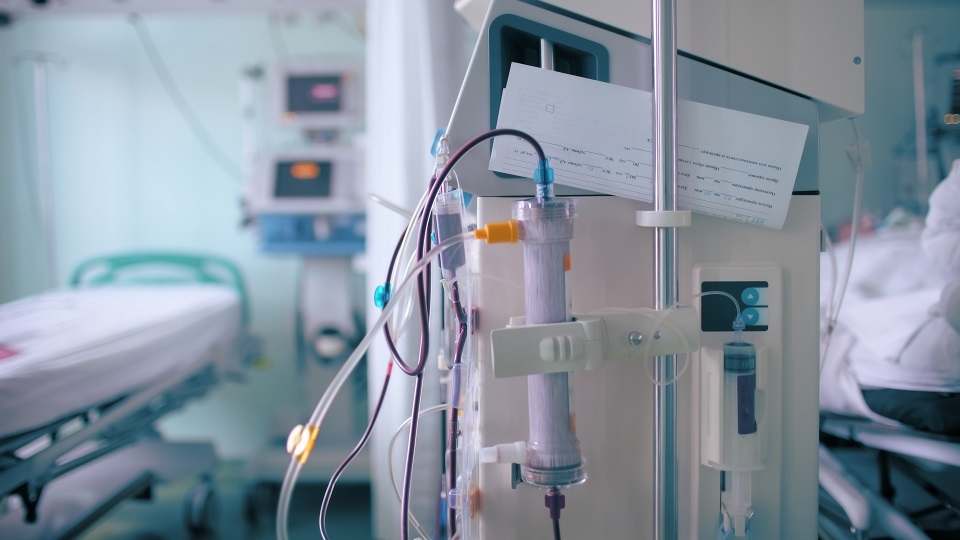
In medical applications, plasticizers are used in blood bags, IV tubing, biohazard containment structures, etc.

Plasticized PVC products are used in electrical applications such as insulation and jacketing