

Polycarbonate (PC): How to select the right grade?
Last update on Apr 27, 2026
Polycarbonate (PC) is a high-performance, transparent thermoplastic known for its exceptional impact strength, dimensional stability, and lightweight. It is often used as an alternative to glass as it combines clarity and toughness. This makes PC suitable for demanding applications where safety, design flexibility, and long service life are critical.
PC maintains its mechanical and aesthetic properties across a broad temperature range. It also offers good electrical insulation, heat resistance, and processability through methods such as injection molding and extrusion.
In this guide, we will help you select the right PC grade by exploring its properties, processing considerations, sustainability aspects, and key market applications.
What is polycarbonate (PC)?
Polycarbonate (PC) was first prepared in 1953 by Dr. H.Schnell of Bayer AG, Germany, and D.W. Fox of General Electric Company, USA. It is a high-performance, tough, amorphous, and transparent thermoplastic polymer.
PC is popularly used as an engineering plastic due to its:
- High impact strength
- High-dimensional stability
- Good electrical properties

Structure of PC
Polycarbonates have organic functional groups linked together by carbonate groups (–O–(C=O)–O–). Its chemical formula is (C16H18O3)n, and the chemical structure of PC is shown in the diagram below.

Chemical structure of polycarbonate (PC)
The characteristics of polycarbonate are similar to those of polymethyl methacrylate (PMMA, acrylic). But PC is more expensive, stronger, and used in a wider temperature range. It has a melting temperature of 155°C.
As PC shows excellent compatibility with certain polymers, it is widely used in blends such as PC/ABS, PC/PET, and PC/PMMA. Some common applications include compact discs, safety helmets, bulletproof glass, car headlamp lenses, baby feeding bottles, roofing, and glazing.
Manufacturing of PC
Raw materials
Polycarbonates contain repeating units of carbonate groups in their chemical structures. They are manufactured by condensation polymerization. The main ingredients used in PC manufacturing are:
- Bisphenol A (C15H16O2)
- Phosgene (COCl2)

Reaction between bisphenol A and phosphene produces polycarbonate
Additionally, catalysts and additives are also incorporated in the PC material, giving it unique properties.
Steps involved in synthesis
STEP 1: The first step of PC synthesis involves the treatment of bisphenol A with sodium hydroxide. The latter deprotonates the hydroxyl groups of the bisphenol A.
STEP 2: The diphenoxide reacts with phosgene to give a chloroformate, which subsequently is attacked by another phenoxide. The reaction from the diphenoxide is shown below:
Here,
- (HOC6H4)2CMe2 is bisphenol A (BPA)
- NaOH is sodium hydroxide
- Na2(OC6H4)2CMe2 is diphenoxide
- COCl2 is phosgene
Now that we have explored its structure and manufacturing process, it is essential to examine the core properties of PC that truly set the material apart in real-world applications.
Characteristics of PC
PC is an ideal material well known for its versatile characteristics. It is widely used in the industry for its eco-friendly processing and recyclability. It comprises a unique set of chemical, mechanical, and physical properties. This makes it suitable over glass, PMMA, and PE.
Key properties
The key properties of polycarbonates are discussed below.
Mechanical properties
- Toughness: Polycarbonate maintains a toughness value between -20°C and 140°C. They are virtually unbreakable.
- High impact strength – PC has a high strength that makes it resistant to impact and fracture. It provides safety and comfort in applications that demand high reliability and performance. The polymer has a density of 1.2 – 1.22.
Optical properties
- Transmittance: PC is an extremely clear plastic that can transmit over 90% of light, as good as glass. Polycarbonate sheets are available in a wide range of shades. These sheets can be customized depending on the end-user application.
- Optical nature: Having an amorphous structure, PC offers excellent optical properties. The refractive index of clear polycarbonate is 1.584.
Physical properties
- Lightweight: This feature allows virtually unlimited possibilities for OEMs to design as compared with glass. The property increases efficiency and makes the installation process easier. It also reduces overall transportation costs.
- Protection from UV radiation: Polycarbonates can be designed to block ultraviolet radiation. They provide 100% protection from harmful UV rays.
- Chemical resistance – Good chemical resistance against diluted acids, aliphatic hydrocarbons, and alcohols. It shows moderate resistance against oils and greases. PC is readily attacked by diluted alkalis, aromatic, and halogenated hydrocarbons. Manufacturers recommend cleaning polycarbonate using agents that do not affect their chemical nature. It is sensitive to abrasive alkaline cleaners.
- Heat resistance – Polycarbonates have high heat resistance. They are thermally stable up to 135°C. Further heat resistance can be improved by adding flame retardants without impacting material properties.
Strengths vs. limitations
Like most engineering thermoplastics, the performance advantages of PC come with certain processing and durability constraints. The table below summarizes the key strengths of polycarbonate alongside its inherent limitations. Thus, helping you evaluate its suitability for specific end-use requirements.
| Strengths | Limitations |
|
|
How to optimize PC material properties?
Addition of additives
The creep resistance of polycarbonates can be improved by up to 28 MPa by adding 5-40% fillers at 210°F temperature. These fillers include glass- or carbon-fiber reinforcements. Reinforced grades, when compared to standard PC grades, have better:
- tensile modulus,
- flexural strength, and
- tensile strength
Adding additives can improve flame retardancy, thermal stability, UV light, and color stability. They also improve several other properties. Coated polycarbonate sheets also show better weatherability, and mar- and chemical resistance.
- Stabilizers based on benzotriazole are useful to stabilize PC against UV light. They also protect from UV degradation.
- Phosphorous acid ester-based stabilizers improve the thermal stability of polycarbonate.
- Flame retardants such as halogenated, phosphorous-based, and silicone-based are widely used as additives. They help to attain the required UL performance, increase LOI, and reduce the heat of combustion for PC products.
Thermoplastic blends
Polycarbonate blends are commercially successful. They provide the right balance between performance and productivity.
- PC/polyester blends: Suitable for applications that require high chemical resistance. PC/PBT blends offer higher chemical resistance than PC/PET blends. This is due to PBT's higher crystalline behavior. PET blended grades offer superior heat resistance.
- PC/ABS blends: PC's toughness and high heat resistance combine with the ductility and processability of ABS. This provides an excellent combination of properties.
TIP: Not sure where to find the right PC blend? Our Master Catalog, featuring 7K+ polycarbonate grades, makes selection easy with advanced filtering options. Simply use the “Chemical family” filter to quickly identify the blend that fits your requirements. Detailed TDS and a seamless sampling request are now available in just one click.
 |  |  |
To leverage these characteristics, selecting the right processing method is just as critical as choosing the right grade.
Ways to process polycarbonates
The common methods to produce polycarbonate parts are:
- Extrusion
- Injection molding
- Blow molding
- Thermoforming
PC is melted and forced into a mold with high pressure to give it the desired shape. Drying before processing, i.e., 2-4 hr at 120°C, is highly recommended. Target moisture content should be a maximum of 0.02%.
In order to avoid material degradation, the ideal maximum residence time is between 6 and 12 minutes. This depends on the selected melt temperature. Two major techniques involved in polycarbonate processing are injection molding and extrusion.
Injection molding
Injection molding is the most common method to produce polycarbonates and their blends. Polycarbonate material is highly viscous. It is usually processed at high temperatures to reduce its viscosity. In this process, the hot polymer melt is pressed through into a mold with high pressure.
The mold, when it cools, gives the molten polymer its desired shape and characteristics. This process is generally used to manufacture polycarbonate bottles and plates. Since polycarbonate is a poor-flowing plastic, the wall thickness should not be too thin.
Certain guidelines that need to be followed while processing polycarbonate by injection molding are mentioned below:
| Resin | Melt temperature (°C) | Mold temperature (°C) | Molding shrinkage (%) |
| PC | 280-320 | 80-100 | 0.5-0.8 |
| High heat PC | 310-340 | 100-150 | 0.8-0.9 |
| Filled PC | 310-330 | 80-130 | 0.3-0.5 |
| PC/ABS | 240-280 | 70-100 | 0.5-0.7 |
| PC/PBT | 250-270 | 60-80 | 0.8-1.0 |
| PC/PET | 260-280 | 60-80 | 0.6-0.8 |
Typical settings for injection molding various polycarbonate resins
Extrusion
In the extrusion process, the polymer melt is passed through a cavity, which helps give it the final shape. The melt, when cooled, attains and maintains the shape acquired. This process is used to manufacture polycarbonate sheets, profiles, and long pipes.
Recommendations:
- Extrusion temperature: 230-260°C
- L/D ratio: 20-25
3D printing
Polycarbonate is the strongest thermoplastic material. It is an interesting choice as a 3D printing filament. PC is known for maintaining temperature resistance. It does not shatter like plexiglass.
Recommendations:
- Machine bendable at room temperature
- Printing temperature: 260 – 300°C
- Printing bed temperature: 90°C or higher
- Print speeds: 30 mm/s is ideal, can go up to 60 or 80 mm/s
The next generation polycarbonate for the 3D printing industry
(Credit: Polymaker1)
Polycarbonate material can be bonded using several techniques. These include solvent bonding, adhesive bonding, or mechanical fastening. It is imperative to understand the quality requirements for adhesive bonding processes as specified in the regulatory standard DIN 2304-1.
TIP: Looking for grades compatible with alternative processing methods? Use the “Conversion mode” filter on our platform and select your preferred method. You can also request samples and review the technical datasheets for more details.
 |  |  |
In addition to processing efficiency, it is important to look at the regulatory compliance and environmental impact that play a critical role in material selection.
Polycarbonates and sustainability
Key applications
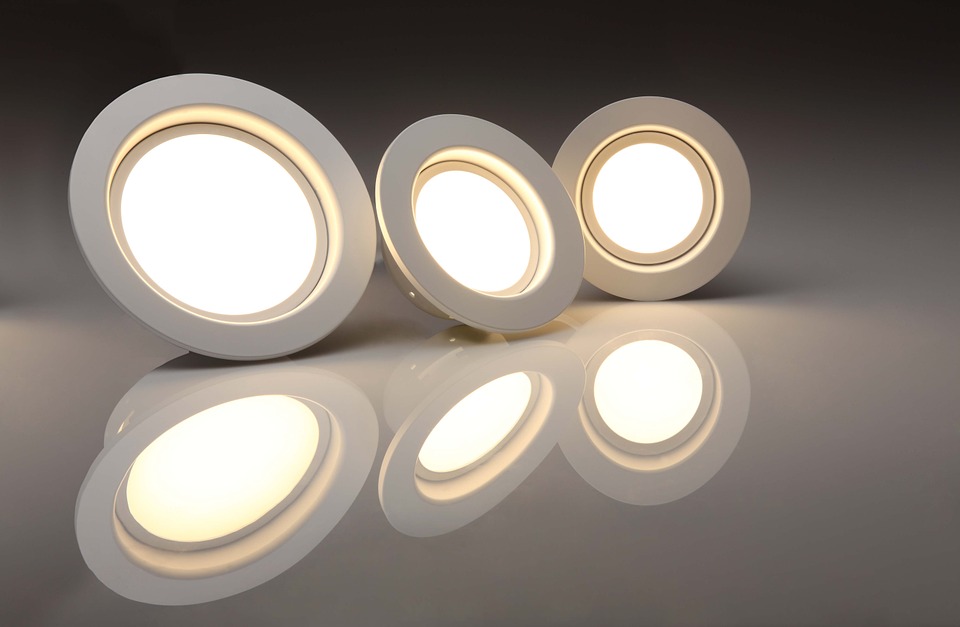
Polycarbonate is a leading material choice used to address some of the most difficult challenges of the LED lighting industry

PC's high transparency allows to design innovative products for everyday use

PC is known as a suitable alternative to glass in various glazing applications