New product concept
Produce Cost-Effective, Biodegradable and Non-Toxic Polymers with Cyclic Ester Building Blocks
 Closed
Inquiries no longer accepted
Type of Solution sought
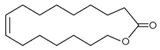
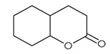
Cyclic esters such as ambrettolide and bicyclononalactone that can form aliphatic polyesters through a ring opening polymerization process (ROP). Become one of the first partners to test these molecules!
Who might be interested?
Polymer manufacturers and polymer additives manufacturers willing to develop new material features, including:
- Increased bio-content based on renewables
- Biodegradable materials
- Biocompatible and non-toxic materials maintaining excellent chemical, thermal, and mechanical properties.
Description of Desired Solution
Cyclic esters such as ambrettolide and bicyclononalactone that can form aliphatic polyesters through a ring opening polymerization process (ROP).
Detailed Solution Description
| Cyclic esters such as ambrettolide and bicyclononalactone, can form aliphatic polyesters through a ring opening polymerization process (ROP), offering the opportunity to produce polymers or additives with the following major advantages: | |||||
| We are looking for partners to help develop applications and commercialize these molecules. | |||||
|
|||||
|
|||||
What’s In It For You?
|
|||||
| Ideas for final applications where Ambrettolide & Bicyclononalactone can bring significant value: Barrier coatings with low moisture vapor transmission of paper and plastic film; Consumer goods: toys, straws, utensils; Industrial: planter boxes, compositing bags; Medical: drug delivery systems, sutures, bandages, implants; Packaging: trash bags, loose fill foam, food containers, and many others! |