


How to improve recyclability?
Last update on Jan 15, 2026
Plastics are a ubiquitous part of our lives, offering countless benefits in packaging, construction, and various consumer goods. However, plastic waste poses a significant environmental challenge. Recycling offers a solution, transforming plastic waste into valuable resources.
But what exactly makes plastic recyclable? In the context of plastics, recyclability involves transforming used plastic items into new plastic materials. The type of plastic, its chemical structure, and its additives all play a crucial role in determining its recyclability.
Pre-requisites
So how do we determine and classify whether a plastic is recyclable or not? Let’s review:
- Polymer type: Every plastic has a unique, distinct chemical structure. Some, like PET (polyethylene terephthalate) and HDPE (high-density polyethylene), are readily recyclable. Others, like PVC (polyvinyl chloride) or mixed-plastic composites, pose greater challenges due to their complex composition.
- Chemical purity: Contamination with other materials like food residue, dyes, or different plastic types significantly reduces recyclability. Clean and uncontaminated plastics are essential for efficient recycling processes.
- Thermal stability: During recycling, plastics undergo melting and re-shaping. The plastic needs to withstand these high temperatures without significant degradation, maintaining its integrity for conversion into new products.
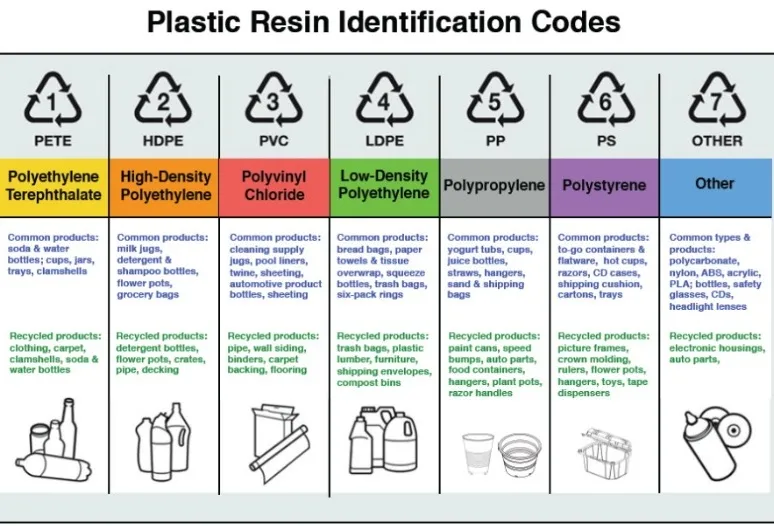
Image credits: EuP1
Formulation strategies
Visible After Login Visible After Login Visible After Login Visible After Login Visible After Login Visible After Login Visible After Login
Visible After Login Visible After Login Visible After Login Visible After Login Visible After Login Visible After Login Visible After Login Visible After Login
Visible After Login Visible After Login Visible After Login Visible After Login Visible After Login Visible After Login Visible After LoginVisible After Login