
BASF expands production capacity of light stabilizers to support global demand
Last update on Apr 27, 2026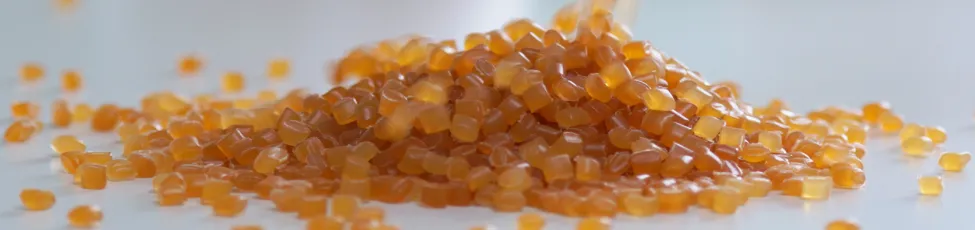
BASF has expanded its production capacities for both standard and NOR HALS (hindered amine light stabilizers), citing growing global demand for high-performance plastics and the need for supply reliability.
The company states that its NOR HALS platform is designed to address trends such as increased UV exposure, variable weather conditions, and stricter environmental requirements. According to BASF, these factors are influencing material selection toward longer service life, durability, and sustainability.
Checkout full supplier profile of BASF to get technical details of their product portfolio!
Applications in plasticulture, particularly in China
BASF highlighted applications in agricultural films, particularly in China, which it identifies as the largest plasticulture market. The company notes that growers are increasingly seeking materials that can withstand high UV exposure, elevated temperatures, agrochemicals, and mechanical stress associated with thinner film designs.
According to BASF, its NOR HALS technology provides resistance to UV radiation, heat, sulfur-based compounds that may create acidic microclimates, and certain pesticides. The company states that this stabilization supports structural and optical integrity over multiple seasons, which may reduce replacement frequency, labor requirements, and material waste.
Get access to technical data of light stabilizers by BASF!
The technology is described as suitable for greenhouse, mulch, tunnel, silage, and balewrap films used across varied climate conditions. BASF also reports that the materials maintain performance under intense sunlight and acidic environments, while enabling easier film recovery and reducing breakage. These factors, the company says, can contribute to lower plastic accumulation in soil and reduced replacement needs.
Maintaining optical clarity is presented as a key factor for greenhouse applications, where consistent light transmission affects crop yield. BASF indicates that improved durability and reduced material usage may also align with broader sustainability targets in the sector.
“By expanding our HALS and NOR HALS capacities, we are enhancing supply reliability and preparing for continued market growth,” said Joerg Bentlage, head of Global Product Management, Plastic Additives at BASF. “Our technologies help customers improve product performance while supporting their sustainability goals.”
Processing and handling considerations
BASF further states that its NOR HALS solutions are available in attrition-resistant (AR) forms. These are intended to reduce dust formation during handling and processing, supporting cleaner operations and more consistent dosing.
Image credits: BASF