
Borealis joins EU-funded project to develop high-efficiency recycling technologies
Last update on Dec 24, 2025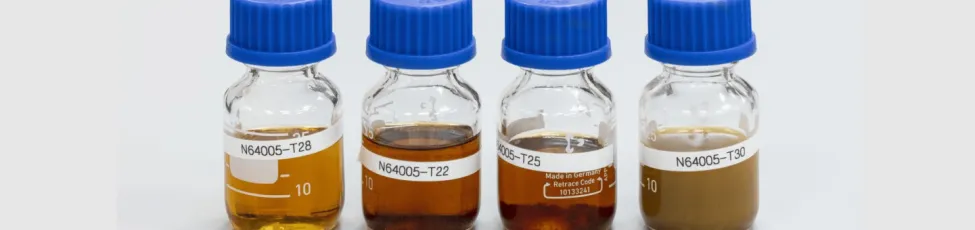
Borealis is a partner of Project ELECTRO, a cutting-edge EU-funded initiative driving Europe toward a climate-neutral, circular plastics system. The project brings together top universities such as the University of Ghent, research institutes, and industry players to develop electrified, high-efficiency recycling technologies capable of turning low-quality waste into premium raw materials.
To transform mixed and hard-to-recycle waste
Project ELECTRO aims to reshape the future of recycling by developing electrified thermochemical processes that transform mixed and hard-to-recycle waste, including multilayer packaging and contaminated plastics into high-purity olefins such as ethylene and propylene. By using renewable electricity instead of fossil-based energy, ELECTRO targets up to a 90% reduction in greenhouse gas emissions, matching the ambition of the EU’s circularity and decarbonization agenda.
As a consortium partner, Borealis heads the work package focused on enabling circular feedstocks for efficient steam cracking. Key contributions include:
Evaluating full-range pyrolysis oil (pyoil) and its fractions
Optimizing circular hydrocarbon mixtures for large-scale cracking
Developing cracking strategies tailored to diverse pyoil qualities
Applying prefractionation, advanced filtration, and quality assessments to improve process performance
Gain in-depth insights into the latest advancements in chemical recycling.
Linking innovation to real-world waste through Project STOP
Borealis also connects Project ELECTRO with Project STOP, its internationally recognized waste management initiative co-founded by Borealis and Systemiq in 2017. Household plastics collected in Indonesia through Project STOP are used in ELECTRO’s research, allowing the consortium to test the viability of chemical recycling on challenging, low-value waste streams.
“At Borealis, we’re committed to scaling circular solutions through innovation and strong partnerships. Together with our ELECTRO partners, we’re proving how electrified chemical recycling can turn challenging waste streams into valuable resources for a circular economy,” says Manjunath Patil, senior engineer Innovation & Technology at Borealis.
“Project ELECTRO combines top-tier scientific expertise with real-world testing. Our collaboration with Borealis – and the integration of material from Project STOP – shows how cross-sector innovation can unlock scalable solutions for both industry and society,” says Kevin Van Geem, professor at Ghent University and Project ELECTRO coordinator.
Want to see more latest updates from Borealis, check out their profile!
Image credits: Borealis