

Polyethylene (PE): How to select the right grade?
Last update on Apr 1, 2026
Polyethylene often abbreviated as PE, is a type of polyolefin. It is the most popular thermoplastic valued for its versatility, durability, and cost-effectiveness.
PE comes in three main crystalline structures: HDPE, LDPE, and LLDPE. The 3 main types differ in their molecular structure, physical properties, and applications. Their different manufacturing processes and catalyst systems makes each type distinct. Understanding these differences is essential for selecting the right material for your specific application.
In this guide, learn how to choose the right PE type for your needs.
What is PE plastic?
Polyethylene (PE) is one of the most widely used plastics in the world. It is a synthetic polymer made from ethylene (a simple hydrocarbon gas). The name literally means "many ethylenes". It is created by linking together thousands of ethylene molecules into long chains.
The chemical formula of PE is (C2H4)n.

Polyethylene structure
We feature over 7,500 polyethylene grades in our Master Catalog. You can compare products, download technical datasheets, and request samples with ease.
How is PE made?
Polyethylene is made from the polymerization of ethylene (or ethene) monomer. The PE chains are produced by addition or radical polymerization. The possible synthesis methods are:
- Ziegler-Natta Polymerization and
- Metallocene catalysis

Synthesis of polyethylene
Why is PE so popular?
PE is versatile, lightweight, durable, and inexpensive to produce. It's resistant to moisture and chemicals, making it ideal for countless everyday products. It's also relatively easy to recycle compared to other plastics. These plastics come with different crystalline structures.
PE is everywhere in daily life - frozen plastic bags, cereal liners, food containers, toys, water bottles, pipes, wire insulation, medical devices, and much more. It accounts for about 34% of the total plastics market.1

Polyethylene types
Depending on its density and branching, different PE grades can have very different performance from one another.
PE grades are therefore classified as follows.
Linear versions | Branched versions | Other versions |
Let's begin with the linear versions of polyethylene.
What is high density polyethylene (HDPE)?
High Density Polyethylene (HDPE) is a cost-effective thermoplastic with a linear structure. It has no or low degree of branching. It is flexible, translucent/waxy, and weather resistant. The chemical structure of HDPE is:

HDPE is more rigid due to high crystallinity (> 90%). This also means it is less transparent than LDPE & LLDPE versions. HDPE also displays toughness at low temperatures.
How is HDPE manufactured?
HDPE is manufactured at low temperatures (70-300°C) and pressure (10-80 bar). It is derived from:
- Either modifying natural gas (a methane, ethane, propane mix)
- Or the catalytic cracking of crude oil into gasoline
Two major techniques to produce HDPE: Slurry Polymerization or Gas Phase Polymerization.
What are the properties of HDPE?
Here is the list of features which your HDPE grade should have.
- HDPE Melting point: 120-140°C
- Density of HDPE: 0.93 to 0.97 g/cm3
- Chemical resistance of HDPE:
- Excellent resistance to most solvents
- Very good resistance to alcohols, dilute acids and alkalis
- Moderate resistance to oils and greases
- Poor resistance to hydrocarbons (aliphatic, aromatic, halogenated)
- Continuous temperature: -50°C to +60°C, relatively stiff material with useful temperature capabilities
- Higher tensile strength compared to other forms of PE
- Low-cost polymer with good processability
- Good low-temperature resistance
- Excellent electrical insulating properties
- Very low water absorption
- FDA compliant
Some grades are designed for your specific requirements like environmental stress cracking resistance (ESCR), high stiffness, low shrinkage, UV stabilized, etc.
Choose HDPE grades by molecular weight to find the right balance of processability and performance on our platform.
 |  |  |
What is ultrahigh-molecular-weight polyethylene (UHMWPE)?
Ultrahigh-molecular-weight polyethylene has a molecular weight between 3.5 and 7.5 million amu. This is about 10 times higher than HDPE resins.
Both HDPE and UHMWPE have similar appearances. But UHMWPE is tough, abrasion-resistant, and low-cost plastic. Suitable for industrial or manufacturing applications where friction or wear may be a concern.
How is UHMWPE manufactured?
UHMWPE is synthesized using metallocene catalysts and ethane units. These units are bonded together resulting in UHMWPE structure. This structure has 100,000 to 250,000 monomer units per molecule.
What are the properties of UHMWPE?
- It has excellent mechanical properties such as high abrasion resistance, impact strength and low coefficient of friction.
- The material is almost totally inert, therefore it is used in the most corrosive or aggressive environments at moderate temperatures.
- Even at high temperatures, it is resistant to several solvents, except aromatic, halogenated hydrocarbons and strong oxidizing materials, such as nitric acid.
- These special properties allow the product to be used in several high-performance applications.
- UHMWPE is suitable for high wear applications such as tubes, liners, silos, containers and other equipment.
Some grades are designed for your specific requirements like wear-, chemical-, and impact resistance, etc. Select UHMWPE grades here »
Now, let's move to the branched versions.
What is low density polyethylene (LDPE)?
Low-density Polyethylene (LDPE) is a semi-rigid polymer with low crystallinity (~50-60%). The LDPE is composed of 4,000-40,000 carbon atoms, with many short branches. Compared to HDPE, it has a higher degree of short and long side-chain branching. The chemical structure of LDPE is:

How is LDPE manufactured?
LDPE is produced at high pressure (1000-3000 bar) and temperature (80-300°C). It is derived via the free radical polymerization process.
Two basic processes to produce LDPE:
- Stirred autoclave reactor
- Tubular reactor
The tubular reactor has been gaining preference over the autoclave route due to its higher ethylene conversion rates.
What are the properties of LDPE?
- LDPE Melting point: 105 to 115°C
- Density of LDPE: 0.910–0.940 g/cm3
- Chemical resistance of LDPE:
- Good resistance to alcohols, dilute alkalis and acids
- Limited resistance to aliphatic and aromatic hydrocarbons, mineral oils, oxidizing agents and halogenated hydrocarbons
- Temperature resistance up to 80°C continuously and 95°C for shorter times.
- Low cost polymer with good processability
- High impact strength at low temperature, good weatherability
- Excellent electrical insulating properties
- Very low water absorption
- FDA compliant
- Transparent in thin film form
Our LDPE product portfolio comes in various density ranges. Find the right grade for your application in our Master Catalog.
 |  |  |
What is linear low-density polyethylene (LLDPE)?
The structure of linear low-density polyethylene (LLDPE) has a linear backbone with short and uniform branches (unlike longer branches of LDPE). These short branches are able slide against each other upon elongation without becoming entangled like LPDE. It is structurally similar to LDPE.
How is LLDPE manufactured?
LLDPE is produced by the polymerization of ethylene (or ethane monomer) with:
- 1-butene, and
- smaller amounts of 1-hexene and 1-octene.
This process occurs using Ziegler-Natta or metallocene catalysts. In the present-day scenario, LLDPE has been quite successful in replacing LDPE thanks to the below-mentioned properties.
What are properties of LLDPE?
- Very flexible with high impact strength
- Translucent and natural milky color
- Excellent for mild and strong buffers, good chemical resistance
- Good water vapor and alcohol barrier properties
- Good stress crack and impact resistance
Some grades are designed for your specific requirements like good processability, antiblocking, antioxidant, etc. Find LLDPE grades here »
| LLDPE Property | vs. LDPE Properties | vs. HDPE Properties |
| Tensile Strength (MN/m2) | Higher | Lower |
| Elongation (%) | Higher | Higher |
| Impact strength (J/12.7mm) | Better | Similar |
| Environmental stress cracking resistance | Better | Same |
| Heat distortion temperature (°C) | 15°C higher | Lower |
| Stiffness (4.5MN/m2) | Higher | Lower |
| Warpage | Less | Similar |
| Processability | - | Easier |
| Haze (%) | Worse | Better |
| Gloss (45°, %) | Worse | Better |
| Clarity | Worse | Better |
| Melt strength | Lower | Lower |
Softening point range (°C) | Narrower | Narrower |
Permeability (ml cm-2 g-1 mil-1 cm) Hg-1 at 25°C X 10-8
| Better Better | Worse Worse |
Properties of LLDPE vs. LDPE vs. HDPE (Source: Mukherjee, A. K. et al., Popular Plastics: 15 October 1985)2
HDPE vs. LDPE vs. LLDPE: Which one to choose?
By now you must have understood about the polyethylene variants in detail. The table below shows a comprehensive comparison between the 3 main PE types. Go through it and simplify your selection journey.
| LDPE | LLDPE | HDPE | |
| Polymer full name | Low Density Polyethylene | Linear Low Density Polyethylene | High Density Polyethylene |
| Structure | High degree of short chain branching + long chain branching | High degree of short chain branching | Linear (or Low degree of short chain branching) |
| Catalyst and process | Using radical polymerization using tubular method or autoclave method | Using Ziegler-Natta catalyst or metallocene catalyst | Ziegler-Natta catalyst in: - Single-stage polymerization - Multi-stage polymerization or a Cr or Phillips-type catalyst |
| Density | 0.910-0.925 g/cm3 | 0.91-0.94 g/cm3 | 0.941-0.965 g/cm3 |
| Crystallinity | Low crystalline and high amorphous (less than 50-60% crystalline) | Semi-crystalline, level between 35 to 60% | High crystalline and low amorphous (>90% crystalline) |
| Characteristics |
| As compared to LDPE, it has:
|
|
| Recycling code |  | |  |
| General applications | Shrink wrap, films, squeezable bottles garbage bags, extrusion moldings, and laminates | High performance bags, cushioning films, tire separator films, industrial liners, elastic films, ice bags, bags for supplemental packaging and garbage bags |
|
| Commercial products | LDPE grades | LLDPE grades | HDPE grades |
Cross-linked Polyethylene (PEX or XLPE)
High-density crosslinked PE is a form of polyethylene with a crosslinked structure. It is abbreviated as PEX or XLPE. It is specifically designed for critical applications.
How is crosslinked PE manufactured?

XLPE is produced from polyethylene under high pressure with organic peroxides. This creates free radicals which generate the crosslinking of the polymer. This results in a resin that is specifically designed for critical applications like:
- Chemical storage pipework systems,
- Hydronic radiant heating and cooling systems, and
- Insulation for high voltage electrical cables.
What are the properties of XLPE?
- High and low temperature
- Hydrolysis resistance
- High electrical and insulation properties
- High abrasion resistance
- Potable water approved
- High extrusion speed on standard lines
- Lower cost
- Mechanically tougher
Some grades are designed for your specific requirements like environmental stress cracking resistance (ESCR), flame retarded, processability, creep resistance, etc. Check out XLPE grades here »
TIP: Finding the perfect polyethylene grade? Use our advanced filters to narrow your search. Start by selecting your PE type from the "Chemical family" filter. Then refine further using any additional filters you need. Search smarter not harder!

Formulation issues
Each PE type has specific limitations that can impact performance in demanding applications. Understanding these challenges is essential for selecting the right material for your needs. Let's have a look:
HDPE limitations you should know
The disadvantages of HDPE include:
- Susceptible to stress cracking
- Lower stiffness than polypropylene
- High mold shrinkage
- Poor UV- and low heat resistance
- High-frequency welding and joining impossible
However, some grades have been smartly upgraded and offer some improved performance profiles.
What are the disadvantages of LDPE?
The presence of more branching in polymer chain brings certain drawbacks to LDPE performance including:
- Susceptible to stress cracking
- Low strength, stiffness and maximum service temperature. This limits its usage in applications requiring extreme temperatures.
- High gas permeability, particularly carbon dioxide
- Poor UV resistance
- Highly flammable
- High-frequency welding and joining impossible
To overcome these challenges, several PE grades have been developed with improved features.
TIP: Finding the right processing method for your polyethylene grade? Use our advanced filters to narrow your search. Start by selecting your PE type from the "Chemical family" filter. Further refine your search using "Property" filter.
Processing
Polyethylene can be processed using several different techniques. Each process is suited for specific applications and PE types. The methods and processing conditions for each type is explained below.
HDPE
HDPE can be easily processed by extrusion (tubes, blow and cast films, cables, etc.), blow molding, and rotomolding. Being and ideal material for injection molding process, it is majorly used for batch and continuous production.
PE (mainly HDPE) is gradually gaining popularity as a 3D Printing material. Its strength, low density, and non-toxicity make it ideal for a wide range of 3D printed objects. Additionally, recycled PE grades and bio-based PE are also used for processing by 3D Printing. The sheer availability of PE is encouraging efforts to apply this material for additive manufacturing.
| Injection molding | Extrusion |
|
|
LDPE
The most common processing technique used for LDPE is extrusion (tubes, blow and cast films, cables). LDPE can be processed by injection molding or rotational molding.
| Injection molding | Extrusion |
|
|
UHMWPE
UHMWPE is processed by compression molding, ram extrusion, gel spinning, and sintering. Its conventional methods include injection, blow or extrusion molding. This material does not flow even at temperatures above its melting point.
TIP: Finding the right processing method for your polyethylene grade? Use our advanced filters to narrow your search. Start by selecting your PE type from the "Chemical family" filter. Further refine your search using "Conversion mode" filter.
Sustainability claims
Recyclable
LLDPE, LDPE, and HDPE are non-biodegradable in nature. They contribute significantly to the world's plastic waste products. These forms of PE are recyclable. They are used to produce bottles for non-food items, plastics for outdoor applications, compost bins, etc. Select recyclable HDPE and recyclable LLDPE grades.

Resin identification codes for PE types
Cross-linked PE has become popular for potable water in recent years, but PEX requires special fittings and is not recyclable.

Low-Density Polyethylene (LDPE) are one of the most common types of PE used in plastic bags. LDPE bags are soft and flexible. Suitable for grocery bags, newspaper sleeves, and outer wrapping on products. They're marked with recycling code #4. Recyclable LDPE bags can:
- reduces landfill waste
- conserves petroleum resources, and
- uses less energy
The material can be recycled multiple times. However, it may degrade slightly with each cycle.
Recycling is better than disposal. The best approach is to reduce single-use plastic bag consumption altogether by using reusable bags. When you use LDPE bags, keeping them clean and dry before recycling ensures they can be effectively processed.
Biobased and renewable
Bio-based polyethylene derived from renewable plant-based sources like sugarcane instead of fossil fuels. These grades are compliant with USDA BioPreferred® and ISCC+ certified.
Chemical safety & hazard-free
Polyethylene grades are free from chlorine, bromine, and fluorine compounds that can release toxic gases when burned. Select halogen-free PE grades.
PE contain no per- and polyfluoroalkyl substances ("forever chemicals") linked to environmental persistence and health concerns. Choose PFAS-free PE grades.
In solid form, Polyethylene is considered as safe and non-toxic in nature. They could be toxic if inhaled and/or absorbed as a vapor or liquid (i.e., during manufacturing processes). Pick toxicity-free PE grades.
TIP: Finding the right sustainable claim for your polyethylene? Use our advanced filters to narrow your search. Start by selecting your PE type from the "Chemical family" filter. Further refine your search using "Sustainability claims" filter.
Applications
Polyethylene is almost found everywhere. It is probably in your hands right now. Whether it's the water bottle you're drinking from, the shopping bag you carried home, or the food wrap in your kitchen, it's made from PE.
With 7,500+ polyethylene grades and 1,000+ applications in our master catalog, finding the right match can be quick. We've simplified your selection process with smart filters. Compare your products and get expert guidance to help you choose confidently.
Start by selecting your industry to see relevant applications and recommended grades.
Packaging
HDPE | LDPE | LLDPE |
|
|
|
Pipes and fittings
Uses of HDPE in pipes and fittings include pipes for gas, water, sewage, drainage, sea outfalls, industrial application, cable protection, steel pipe coating, large inspection chambers and manholes for pipe sewage etc.) due to its excellent resistance to chemical and hydrolysis, automotive - fuel tanks, wiring & cables - sheeting of energy, telecommunication cables.
HDPE pipes are used for non-potable water applications. For potable water, HDPE can be used for both hot water and cold-water service applications. Cross-linked PE has become popular for potable water in recent years. LDPE is used to manufacture water pipes and hoses for the pipes and fittings industry due to its plasticity and low water absorption.
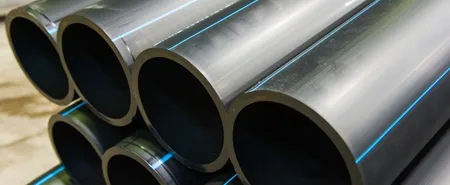
High-density polyethylene (HDPE) in water pipes
Medical and healthcare
Used to create medical products such as patches, personal protective equipment, packaging films, containers, lid stock, and bag headers, etc. Select 200+ polyethylene grades suitable for medical and healthcare industry >
Fibers and textiles
Thanks to its high tensile strength, HDPE is widely used for agricultural applications, such as in ropes, fishing and sport nets, nets as well as industrial and decorative fabrics.
Consumer goods
Low cost and easy processability make HDPE a material of choice in household goods like garbage containers, housewares, ice boxes, toys, etc. LDPE grades for consumer goods are used in housewares, flexible toys, and agricultural films.
Wiring and cables
Crosslinked polyethylene or polyethylene copolymer resins are useful for wire and cables insulation. XLPE cables are by far the most popular. LDPE grades for wiring and cables are used in sub-conductor insulators and cable jacketing.
Features of XLPE | XLPE vs PVC cables |
|
|
TIP: Finding the right polyethylene grade based of your needs? Use our advanced filters to narrow your search. Start by selecting your PE type from the "Chemical family" filter. Then further refine your search using "Markets" and "Applications" filters.
- 2025. Polyethylene market. Market Us.
- Olabisi. (2015). Polyolefins. ResearchGate.

LDPE is majorly used in films, plastic bags, trash bags, and other food packaging material
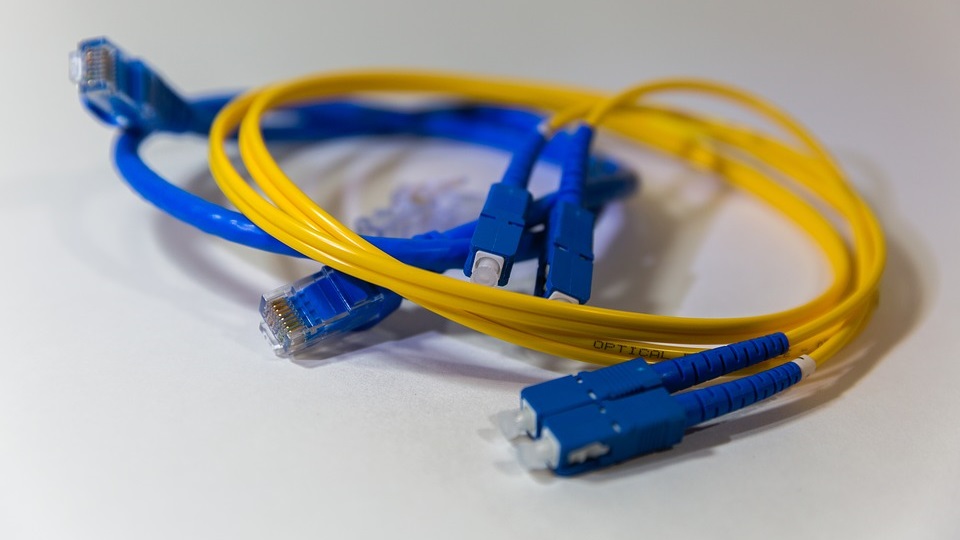
Crosslinked polyethylene or polyethylene copolymer resins are useful for wire and cable insulation and jacketing
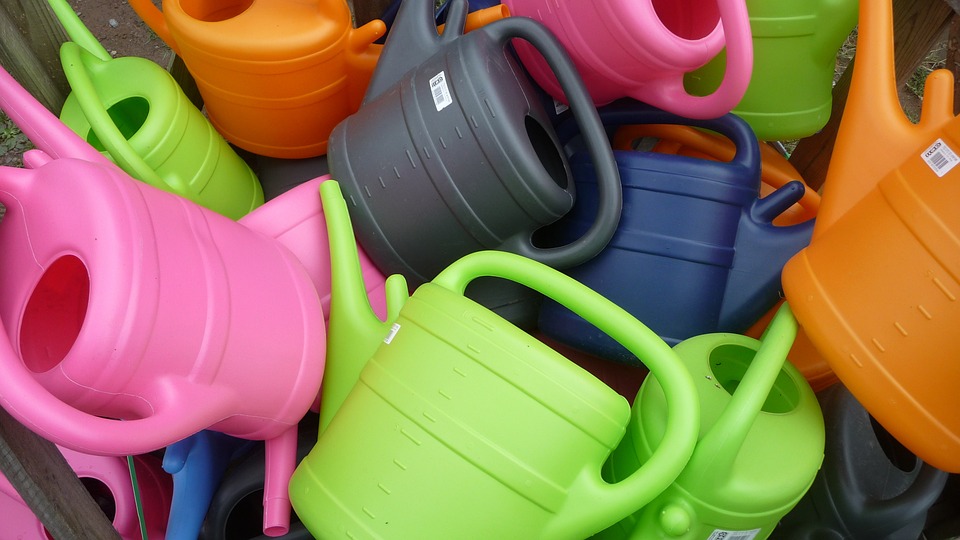
Agricultural water cans made from high density polyethylene