

Polybutylene Terephthalate (PBT): How to select the right grade?
Last update on Apr 22, 2026
PBT grades help in saving weight and decreasing costs. These grades provide innovative solutions across various industrial sectors. With many grades available, selecting the right PBT polymer can be challenging.
In this guide, let's discover what makes PBT different from other thermoplastics and polyesters. We will simplify the PBT selection process by helping you choose the ideal PBT grade for your needs.
What is Polybutylene Terephthalate (PBT)?
Definition
Polybutylene Terephthalate (PBT) is a semi-crystalline engineering thermoplastic material. It is a member of the polyester family of polymers. The chemical formula is (C12H12O4)n.

PBT has gained commercial interest due to its wide range of applications. These range from automotive, electrical and electronics, medical, and many more.
Synthesis
Polybutylene terephthalate (PBT) is produced through a process called polycondensation.
The raw materials used in the manufacturing include:
- 1,4-Butanediol (BDO)
- Dimethyl terephthalate (DMT) or Terephthalic acid (TPA)
The esterification process further takes place depending on the starting material.
- If using DMT: It reacts with BDO to form bis(4-hydroxybutyl) terephthalate and methanol.
- If using TPA: It reacts directly with BDO to form bis(4-hydroxybutyl) terephthalate and water.
The bis(4-hydroxybutyl) terephthalate further undergoes condensation reactions at high temperatures (typically 230-250°C) and under vacuum. This process forms long polymer chains of PBT while removing excess BDO.

Having defined PBT, it’s important to understand the core material characteristics that underpin its performance.
Properties of Polybutylene Terephthalate
Knowing the material properties of PBT is crucial to manufacture the desired product of your need. Let's take you through the benefits which PBT provides in your application.
Physical properties
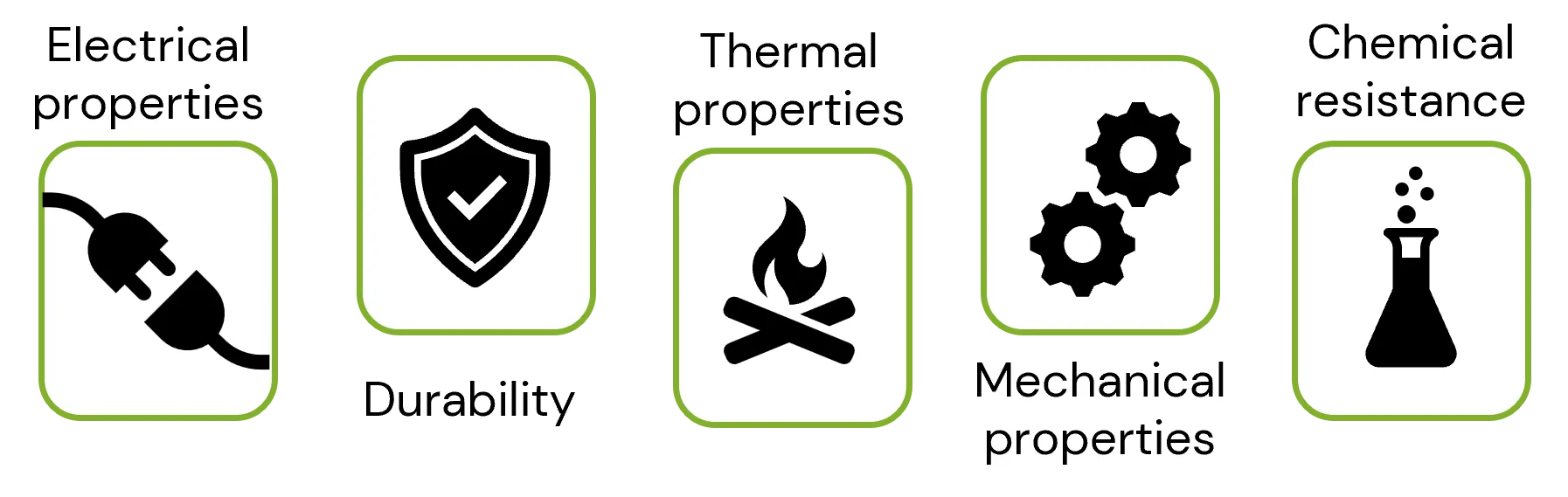
It provides dimensional stability and low moisture absorption characteristics. It gives good durability under thermal stress and/or harsh chemical environments. Can be particularly seen in automotive under hood applications.
Mechanical properties
It delivers high strength, toughness, and stiffness. All over it shows a good practical impact. It provides good creep resistance over steady and elevated temperatures.
Thermal properties
It has a high heat-deflection temperature and high-temperature index rating. It helps components withstand both short-term thermal excursions and long-term heat exposure.
Electrical properties
It protects electrical and electronic components against discharge. It provides high electrical resistance and dielectric strength. It also guards the components against leakage and breakdown in power circuitry. The low dielectric loss minimizes energy absorption in high-frequency electronic uses.
Chemical resistance
It has robust chemical resistance to a wide range of chemicals. These include diluted acids, alcohols, aromatic hydrocarbons, ketones, solvents, oils, and greases. Suitable to produce plastic parts exposed to organic solvents, gasoline, and oils. It also avoids erosion after a period of time. It exhibits good resistance to UV radiation and stain.
Other benefits
PBT has excellent heat aging behavior and machining characteristics. It enables efficient use of material to reduce weight and cost. It is compliant with many agency and regulatory approvals for food, medical, and potable water applications. The broad use of PBT is also shown by the numerous regulatory approvals held by various grades. These include VDE or UL approvals for the electrical and electronics market and FDA approval for the nutrition and medical market.
 |
Properties of PBT
Optimizing PBT material properties
PBT material properties can be tailored during compounding. This is done by incorporating fillers, reinforcers, and additives to meet end-user requirements. The PBT product range includes:
- Unfilled PBT grades have a wide range of melt viscosities. This helps to provide processing latitude in injection molding and extrusion techniques. These techniques include melt-blowing of PBT fibers to the production of rod and slab, fiber optic buffer tubes, or brake cable liners.
- Glass fiber reinforced PBT grades exhibit increased mechanical properties compared to unfilled grades. This means their tensile, moduli, flexural, and comprehensive strengths increase by 2 to 3 fold.
- Flame-retardant PBT and lubricated PBT versions are also available in both filled and unfilled grades.
- Other PBT grades that are available include: Mineral filled, PTFE filled, Glass bead filled, and Carbon fiber filled.
For example, a benzotriazole-type UV stabilizer is generally used with PBT. It offers low initial color and good color stability.
Typical values of PBT
| Mechanical property | |
| Elongation at break | 5-300% |
| Elongation at yield | 3.5-9% |
| Flexibility (Flexural Modulus) | 2-4 GPa |
| Hardness Rockwell M | 70-90 |
| Hardness Shore D | 90-95 |
| Stiffness (Flexural Modulus) | 2-4 GPa |
| Strength at break (Tensile) | 40-50 MPa |
| Toughness (Notched Izod impact at room temperature) | 27-999 J/m |
| Toughness at low temperature (Notched Izod impact at low temperature) | 27-120 J/m |
| Young's Modulus | 2-3 GPa |
| Electrical property | |
| Arc resistance | 124-190 sec |
| Dielectric Constant | 2.9-4 |
| Dielectric strength | 15-30 kV/mm |
| Dissipation factor | 10-200 x 10-4 |
| Volume resistivity | 14-17 x 1015 Ohm.cm |
| Physical property | |
| Shrinkage | 0.5-2.2% |
| Water absorption 24 hours | 0.1-0.2% |
| Density | 1.3-1.4 g/cm3 |
| Glass Transition Temperature | 55-65°C |
| Thermal property | |
| Coefficient of Linear Thermal Expansion | 6-10 x 10-5 /°C |
| Thermal insulation (Thermal conductivity) | 0.21 W/m.K |
| Fire Resistance (LOI) | 20-24% |
| Flammability UL94 | HB |
| Service temperature | |
| Ductile / Brittle Transition Temperature | -40°C |
| HDT @0.46 MPa (67 psi) | 115-150°C |
| HDT @1.8 MPa (264 psi) | 50-85°C |
| Max Continuous Service Temperature | 80-140°C |
| Min Continuous Service Temperature | -40°C |
Advantages and disadvantages of PBT
Knowing the advantages and disadvantages of PBT is important to make your PBT selection process easy.
Benefits of PBT over other thermoplastics
Find out the advantages of PBT over other thermoplastics below.
| Comparison with other thermoplastics | Advantages of PBT |
| Polyethylene terephthalate (PET) |
|
| Crystalline thermoplastics like Polypropylene, Nylon, Acetal |
|
| Amorphous engineering materials like Polysulfone and Polycarbonate |
|
Limitations of PBT
Mentioned below are the disadvantages of Polybutylene terephthalate (PBT).
- High mold shrinkage
- Poor resistance to hydrolysis (sensitive to hot water)
- Prone to warping due to high differential shrinkage
- Unreinforced PBT is notch sensitive
- Low HDT @ 60°C (140°F) compared to competitive materials

Beyond base properties, PBT can be modified through blends and alloys to meet specific performance needs.
PBT blends or alloys with other thermoplastics
Processing methods of Polybutylene Terephthalate
Key Applications

PBT for Automotive Exterior and Interior Parts
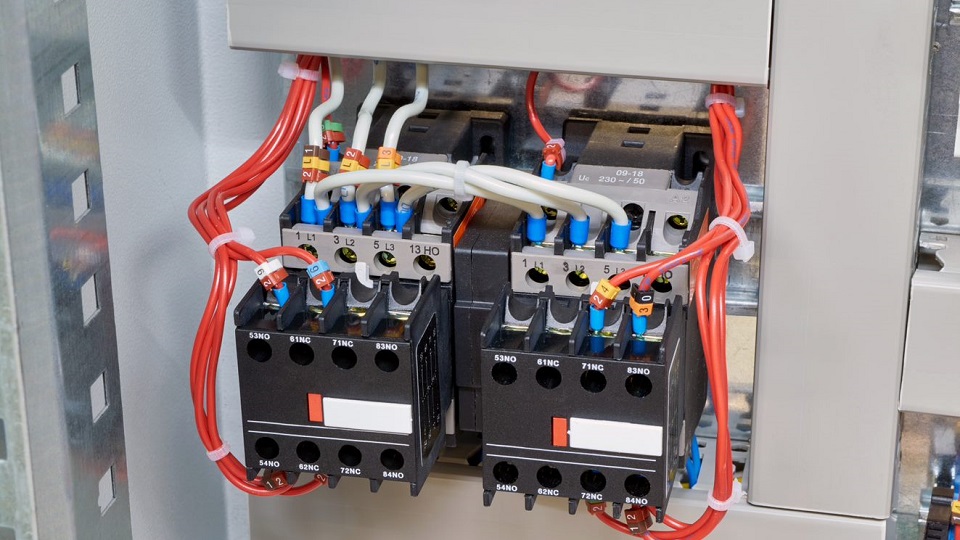
PBT Guards Against Breakdown in electrical and electronic Applications
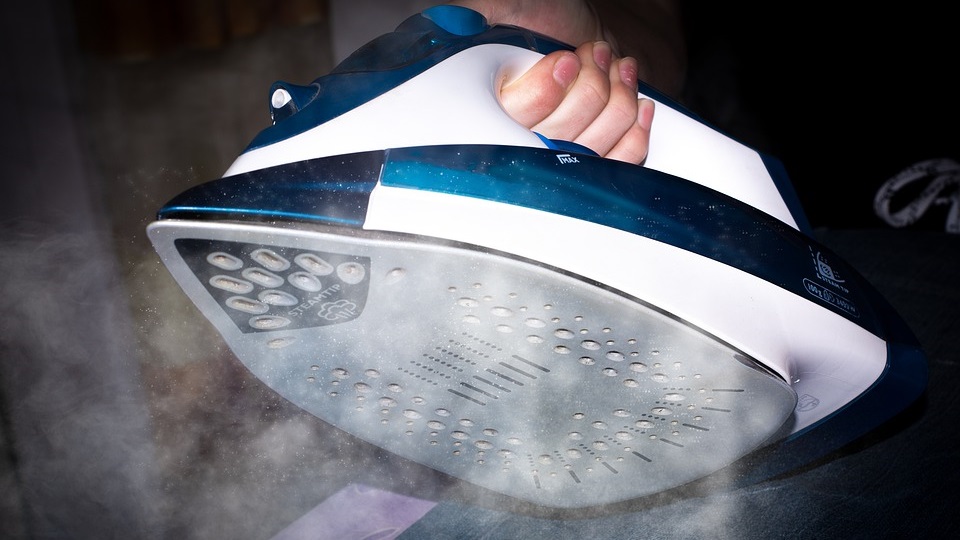
Many consumer applications have benefited from the versatility of PBT-based resins