

Solving Formulation Challenges in Tinting: Using the Performance Triangle and BC1083 Carbon Black
Last update on Aug 21, 2024
This is a sponsored article by Birla Carbon.
In the realm of coatings and pigments, carbon black plays a crucial role in achieving various color effects, from deep, full-shade black coatings to modifying hues as a tinting pigment. Full-shade applications utilize carbon black to produce rich black colors, while as a tinting pigment, it enables the creation of a wide color range with good stability and compatibility.
Specialty tinting blacks, like Raven pigments from Birla Carbon, are designed for their blue undertone and tinting properties, addressing formulator challenges within the "performance triangle" of pigment selection, formulation, and dispersion.
BC1083, introduced by Birla Carbon, marks a significant advancement in the space of carbon black for tinting in coating applications.
- It is specifically engineered to produce strong blue undertones, enhancing the depth and quality of shades.
- Offering excellent dispersibility, BC1083 allows you to achieve the desired tint strength while meeting the need for an enhanced deep blue tone.
- BC1083 also facilitates significant pigment loading increases in concentration.
This innovation caters to the evolving needs of formulators seeking to achieve precise color specifications and superior performance in their tinting processes.
This article focuses on how Raven carbon blacks and Birla Carbon's new carbon black BC1083 solve many of the challenges that confront the formulator. Also, learn how ultimate performance must be a balance of pigment selection, formulation, and the dispersion process – what has become known as "the performance triangle".
Jetness vs. Tinting: Understanding the Difference
Carbon black is the most commonly used black pigment in the paint, coating, and lacquer industry. It is used for:
- mass tone coloring in pure black coatings (e.g., in automotive basecoats),
- tinting in gray coatings and paints (e.g., in decoration), and
- light tinting in transparency coatings (e.g., for metallic effects and wood glazing)
A key property of carbon black is its ability to modify the visual appearance of other colors by enhancing the color and undertone and providing extra pigmentation through tinting. In decorative paints especially, carbon black is used in tinting applications for white and light or gray colors as well as for colorful paints used on interiors and exteriors.
As a single pigment, the black color that carbon black imparts to the continuous medium is referred to as 'jetness.' In addition to jetness, formulations which are pigmented with carbon blacks typically exhibit color undertones, which appear as a distinct blue or brown-to-orange undertone, depending on the particle size of the carbon black used. Within carbon blacks, the larger particles and higher structure increase the blue undertone of the final color.
Understanding the concepts of 'jetness' and 'tinting' is crucial for formulators and product developers aiming to achieve specific visual effects and functional properties in coatings and other materials.
Jetness refers to the depth and intensity of the black color, a key attribute in full-shade applications where a deep, rich black is desired, such as in automotive coatings or high-end consumer electronics. Jetness is primarily influenced by the particle size and structure of the carbon black used; smaller particles that distribute evenly result in a darker, more intense black.

Tinting, on the other hand, involves adjusting the shade and depth of color by adding small quantities of pigment to a base color. Unlike jetness, which aims for pure black, tinting is used to achieve a range of colors and to modify hues subtly. Tinting is critical in applications where precise color matching and the ability to create a spectrum of shades from a single base color are necessary. This is common in decorative paints, where consumers demand custom colors.

By leveraging both jetness and tinting, alongside a skilled control of the dispersion of the carbon black particles, formulators can create products that not only meet specific aesthetic requirements but also perform optimally in their intended applications. Understanding the connection between these elements allows for more precise control over the final product's appearance and ensures that both visual and functional objectives are met. The relationship and interplay of these three features are sometimes defined as a 'performance triangle', illustrated in Figure 1.
The Performance Triangle
Tinted coatings encompass a wide range of products and present several challenges to paint manufacturers. Performance is a balance of pigment selection, formulation, and the dispersion process. The confluence of these processes has come to be known as the 'performance triangle'. Each of these components plays a pivotal role in determining the final product's performance characteristics.
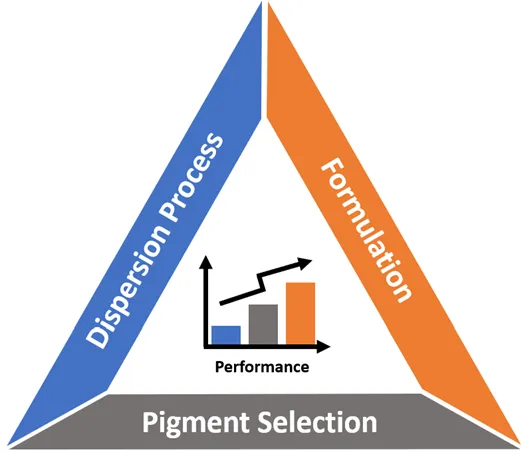
Figure 1: The Performance Triangle: Balancing Pigment Selection, Formulation, and Dispersion Process
When formulating a product, it is essential to understand that the balance among these elements directly influences the outcome. Depending on the primary goals of your final formulation—whether it's achieving a specific color intensity, ensuring stability under various conditions, or optimizing cost-effectiveness—you must strategically balance these three parts of the triangle. By doing so, you ensure that the formulation meets the targeted performance specifications. This approach allows for a holistic optimization process, where adjustments to one element may require compensatory changes in others to maintain the desired quality and functionality of the product.
BC1083 – A New Carbon Black for Efficient Tinting and Processing
Generally, tinting applications use a low surface area of carbon black which scatters light in a specific way to enhance the desirable blue undertone. BC1083 is a new carbon black from Birla Carbon for tinting and shading applications. This is a new carbon black designed to produce stronger blue undertones in decorative and industrial tinting applications. It also has outstanding formulation properties when compared to its industry benchmarks.
Typical properties of BC1083 compared to other carbon blacks with high tinting strength are shown in Table 1.
| Birla Carbon Black | Surface Area (STSA), m2/g | Oil Absorption (OAN), cm3/100gm | Tinting Strength, %IRB#3 | pH |
| Raven 14 | 44 | 111 | 66 | 3 |
| Raven 16 | 29 | 105 | 46 | 9 |
| Raven 22 | 27 | 113 | 44 | 9 |
| Raven 410 | 26 | 68 | 47 | 8 |
| BC1083 | 16 | 95 | 29 | 9 |
Table 1: Common Birla Carbon Blacks that are Useful in Tinting Applications
Compared to industry benchmarks, BC1083 brings excellent dispersibility which results in higher tint strength at comparable blue tones. BC1083 also improves system viscosity enabling significant increases in pigment loading in concentrates. The product property combination leads to a reduction in raw material costs and improved efficiency while improving the long-term pigment stability.
BC1083 & Pigment Selection for Tinting
Generally, tinting applications use a low surface area of carbon black to enhance the desirable blue undertone. Whereas surface area is the primary factor in determining color performance, structure is a secondary factor.
Primary factors determining tinting performance
There are four fundamental properties that help determine the performance of carbon black pigments:
- particle size distribution
- aggregate size and shape distribution
- pore size distribution
- surface chemistry distribution
As shown in Figures 2 and 3, tinting product selection involves a trade-off in strength and tone.
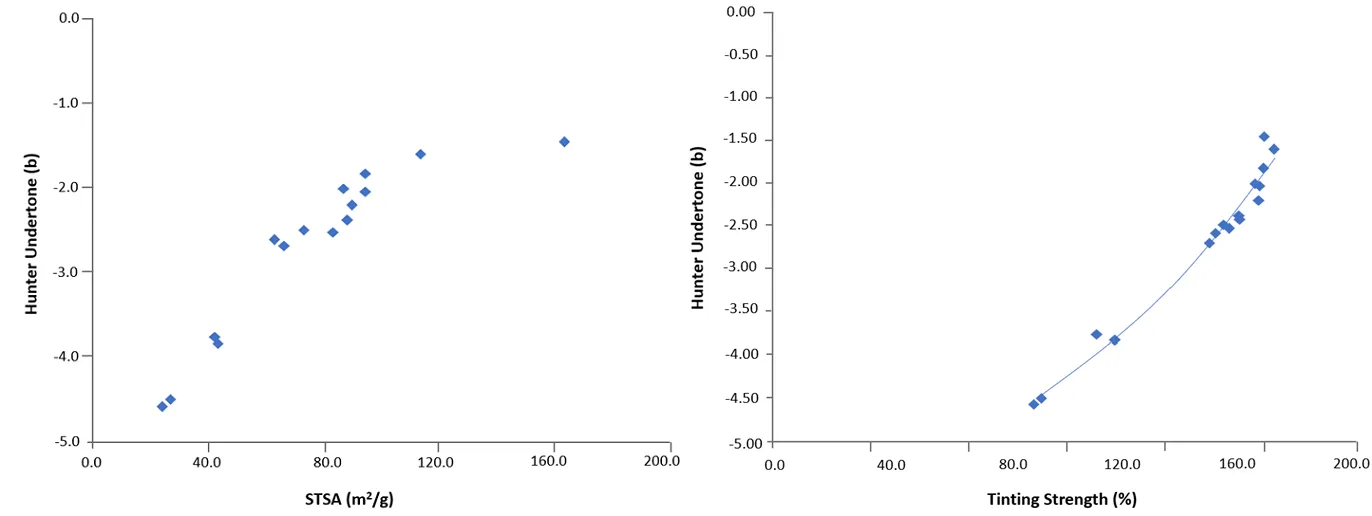
Figure 2: Blue Under Tone is Increased by Decreasing the Carbon Black's Surface Area (L); Figure 3: Tinting Strength is Inversely Related to Blue Under Tone (R)
Decreasing the carbon black surface area results in increasing blue tone but reduced tinting strength. Higher surface areas equal more tinting strength but less blue tone. The major challenge is in matching tonal performance.
BC1083 with a very low surface area (16 m2/gm) will provide a blue tone that is greater than other industry benchmarks.
Secondary factors determining tinting performance
There are secondary factors for determining tinting color performance, these include structure which can be defined by:
- aggregate size,
- structure (oil absorption or OAN), and
- surface chemistry distribution
Figure 4 illustrates these fundamental properties.
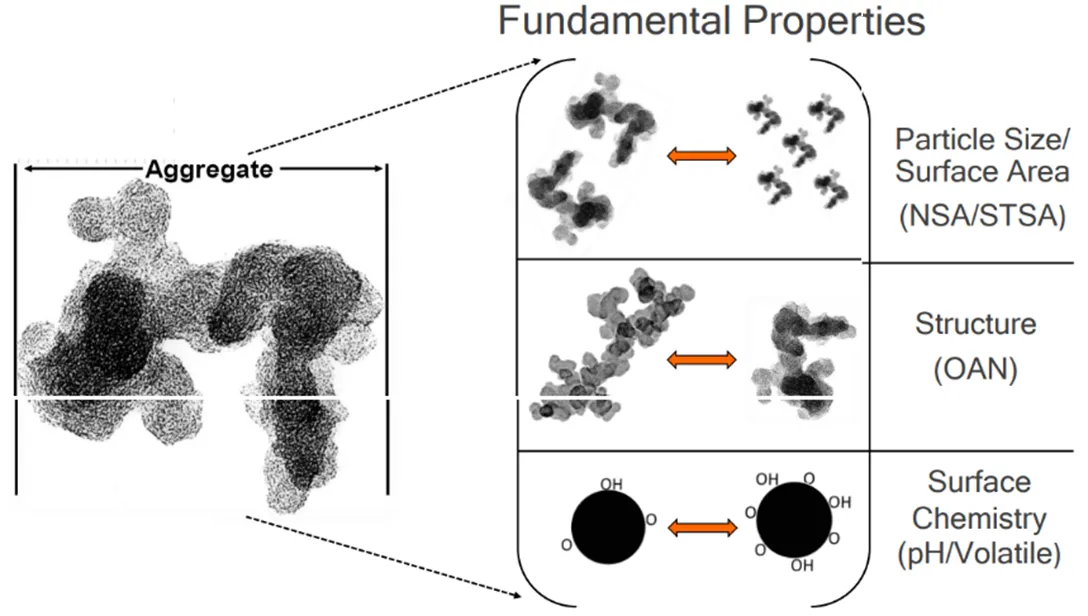
Figure 4: Fundamental Carbon Black Properties Related to Structure
Higher structure carbon blacks will create a higher viscosity, as well as provide an easier dispersion. This will usually come with a minor cost in color performance. The relationship between structure and viscosity is shown in Figure 5. Post-treated carbon blacks have an acidic surface. This is important in how the pigment interacts with other formulation ingredients.
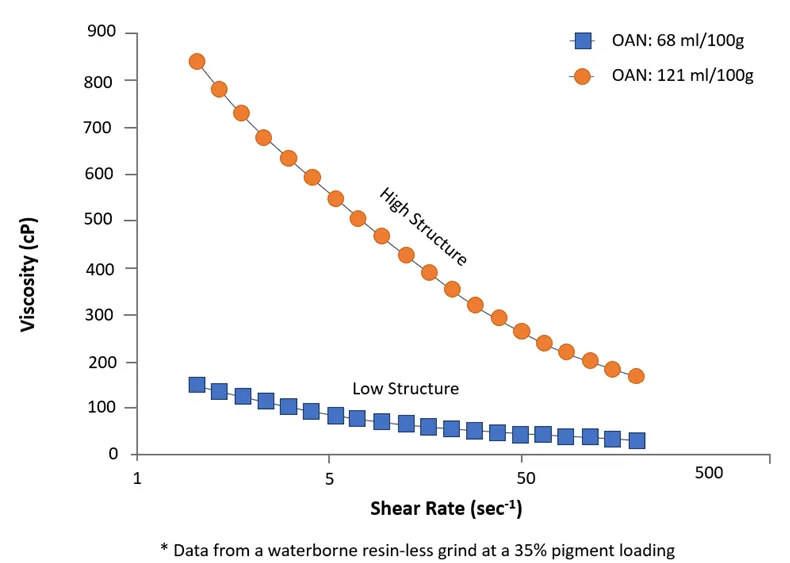
Figure 5: Relationship Between Structure and Viscosity
Carbon black pigments are available as a low-density powder or as a pelleted form for pigmenting and other end uses. The choice of a fluffy or pelleted carbon black for dispersion in a given system depends upon the dispersion and handling equipment and end-use. For example, pelleted carbon blacks are used most frequently in the production of black masterbatches, and carbon black powders are typically used to tint chromatic compounds.

Formulating with Carbon Black Pigments
There are two broad types of pigment concentrates:
- Resin-containing concentrates: They provide better stability. Solvent-borne concentrates typically contain at least a minimal amount of resin.
- Resin-free concentrates: They can provide higher pigment loadings and are usually used only in waterborne applications.
General formulations for both types of concentrates are shown in Figure 6.
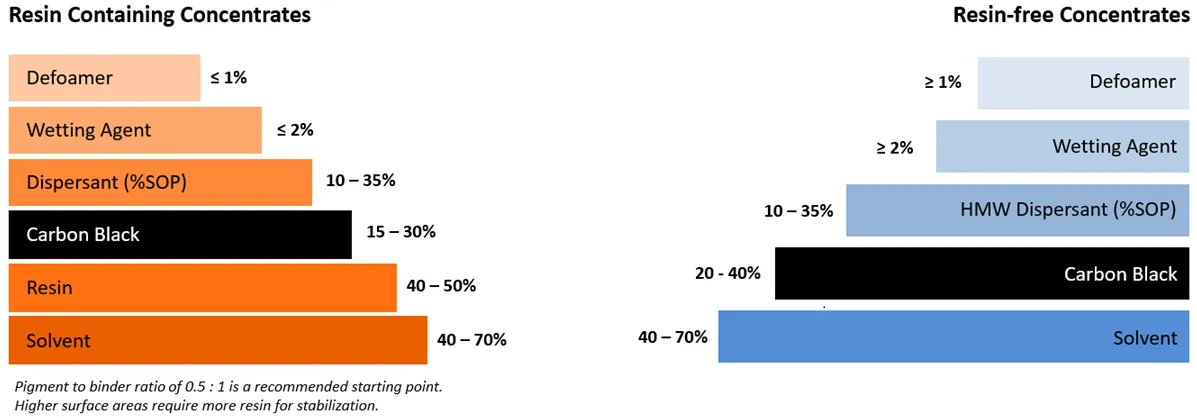
Figure 6: Two Major Types of Pigment Concentrates
The formulation chosen has a major effect on the performance of carbon black. It is important to ensure adequate levels of dispersant (in terms of %SOP). Increased surface area means more aggregates are present to stabilize, generally resulting in higher required dispersant loadings. Dispersant ladders are necessary for balancing dispersant levels and costs for a particular application.
The dominant carbon black properties for the viscosity of a carbon black-loaded polymer system are:
- fineness,
- surface area,
- structure, and
- percent loading
Finer blacks yield higher viscosities than coarser blacks. As such, the compatibility of the resin and dispersant must be checked as products of similar morphology are needed for good tonal matching.
The Dispersion Process
Full dispersion of carbon black occurs by wetting the surface and breaking down the carbon black aggregates (figure 7), but it also requires time and energy. For production efficiency, there will be a time/energy and performance balance that will be particular to any given product. A poorly dispersed pigment will cause poor color performance.
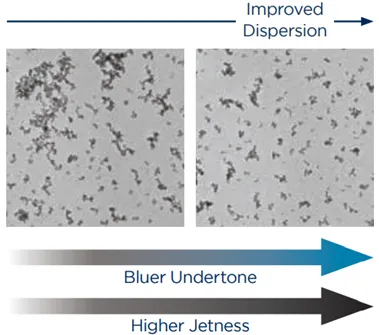
Figure 7: Dispersion of Carbon Black into a Polymeric Resin
The carbon black product choice should be tailored to the dispersion process. Collision-based dispersion processes (media, ball, basket mills) are more effective than shear processes (dissolvers, three roll mills) for getting maximum dispersibility in typical coatings formulations. Higher viscosity is a key to improving shear-based dispersion.
Product morphology is also a primary factor in determining dispersibility. Figure 8 shows the effects of structure and surface area on relative dispersibility. The easiest dispersibility occurs with high structure and low surface area particles, and the most difficult dispersibility occurs with particles having low structure and high surface area.
Post-treatment can improve dispersion, but this will depend on the specific ingredients used in the formulation.
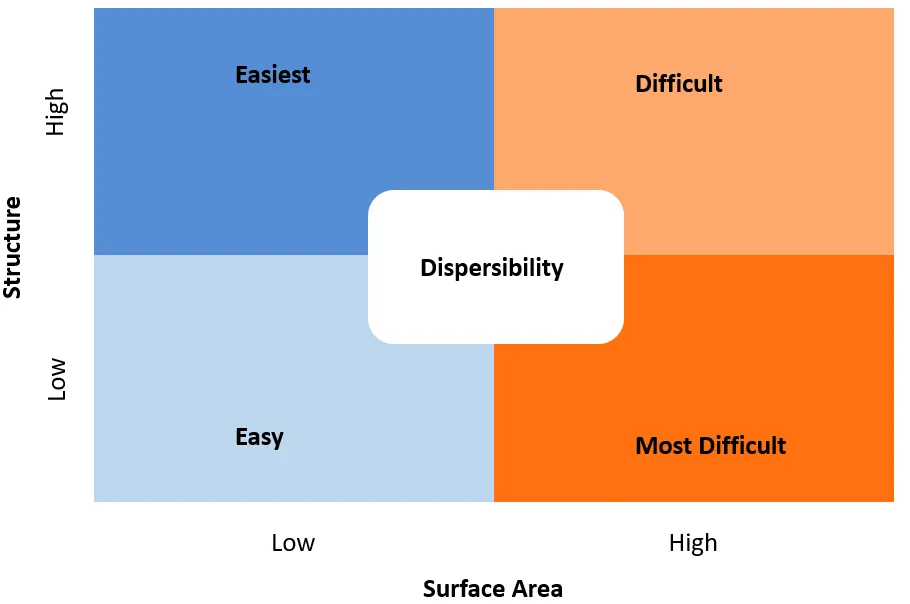
Figure 8: Carbon Black Particle Morphology has a Large Effect on Dispersibility
Conclusion
A major market has developed for carbon black tinting pigments in paints and coatings. The market development began as a challenge to coating formulators who must balance processability, cost, and performance properties with high color performance. It has been found that a solution exists through the development of new specialty pigments and through what is called the 'performance triangle' – the resulting confluence of pigment selection, formulation, and dispersion processes.
Birla Carbon's Raven carbon blacks and the newly developed BC1083 pigment allow formulators to achieve a balance of good processing economics coupled with the desirable blue tone and tint strength. Leveraging expertise in the design and application of tinting carbon blacks, Birla Carbon is enthusiastic about collaborating with customers to optimize their products. This synergy of innovation and collaboration paves the way for enhanced color performance in the dynamic realm of paints and coatings.

Birla Carbon - Discover More
DISCLAIMER: All images, tables, and graphs used in this article are copyright of Birla Carbon.